ECB holds the line as Bank of England delivers surprise rate hike
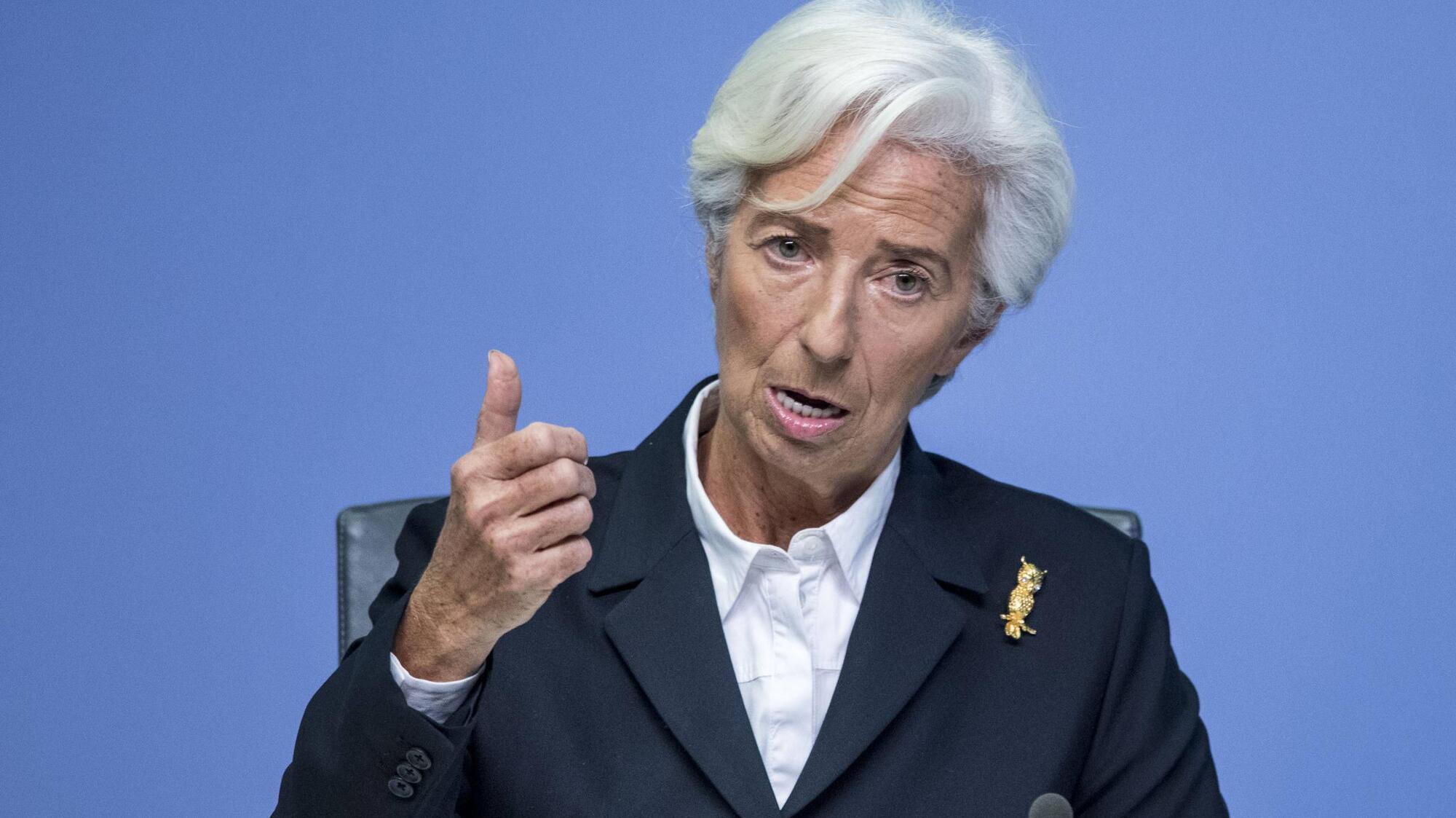
ECB president Christine Lagarde has unveiled forecasts showing a strong economic rebound along with an outlook for faster inflation.
The ECB temporarily boosted regular monthly bond buying for half a year to smooth the exit from pandemic stimulus as its president Christine Lagarde unveiled forecasts showing a strong economic rebound along with an outlook for faster inflation.
The action will help ensure that the borrowing costs for Irish households remain unchanged at low levels for some time to come.
Meanwhile, the Bank of England was even more proactive on Thursday, unexpectedly becoming the first Group of Seven central bank to raise interest rates since the pandemic struck.
Bank of England governor Andrew Bailey said an outlook for “more persistent” inflation was behind a surprise decision to raise interest rates for the first time in three years.
In a statement that acknowledged the developing threat of the Omicron variant, the ECB pledged to briefly double asset purchases to cushion the end of its €1.85 trillion emergency programme in March and avoid what Ms Lagarde called “a brutal transition”. Officials will also revamp that crisis tool to combat future market turmoil.
“The progress on economic recovery and toward our medium-term inflation target permits a step-by-step reduction in the pace of our asset purchases,” Ms Lagarde told reporters.
“Inflation is expected to remain elevated in the near term, but we expect it to decline in the course of next year,” she said.
The ECB president unveiled updated economic forecasts that put inflation above the 2% goal for most of 2022, averaging 3.2%. Ms Lagarde said much of the current surge is driven by high energy prices and constrained supply, which should pass eventually.
The ECB's so-called Asset Purchase Programme will double to €40bn a month, starting in the second quarter, tapering to €30bn before returning to the existing pace of €20bn in October.
The ECB’s announcement follows Wednesday’s decision by the US Federal Reserve to double the pace at which it tapers its own stimulus as it grapples with the biggest surge in consumer prices in three decades.
But the Bank of England rate hike was a surprise and became the first major central bank to hike its benchmark since the pandemic started. It raised borrowing costs by 15 basis points to 0.25%. No other Group of Seven central bank has made such a move since the beginning of the crisis.
“We’ve seen evidence of a very tight labour market and we’re seeing more persistent inflation pressures, and that’s what we have to act on,” Mr Bailey told BBC News. “We’re concerned about inflation in the medium terms, and we’re seeing things now that can threaten that,” he said.
The remarks represent a shift in tone for the UK central bank, which previously said most pressures on prices were temporary, or “transitory,” and likely to pass in the next few months. Now, Mr Bailey expects the consumer price index to top 6% in the coming months, triple the bank's target.