Oliver Mangan: ECB, Fed, and Bank of England all struggling to communicate a clear interest rate plan
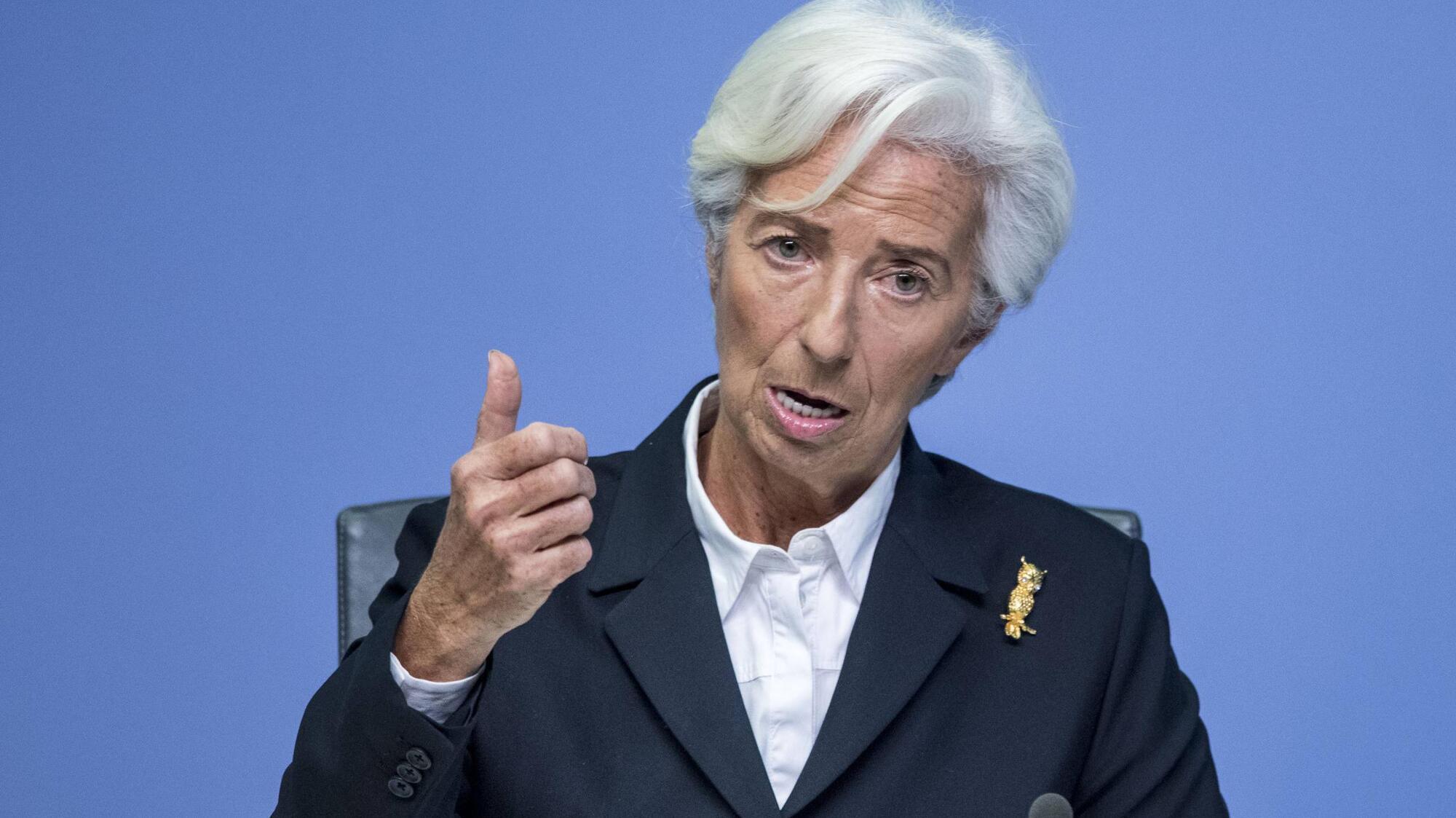
ECB president Christine Lagarde is not expected to signal any rise in interest rates in the eurozone when the bank meets this week.

Three of the world’s main central banks — the US Federal Reserve, the European Central Bank and the Bank of England — are holding key policy meetings this week amidst considerable uncertainty and concerns about the prospects for the global economy.
It calls to mind the famous opening scene of Shakespeare’s great play , with its ominous sense of foreboding: “When shall we three meet again? In thunder, lightning, or in rain? When the hurly-burly’s done, When the battle’s lost and won.”
There are certainly battles ahead in terms of combating a new variant of Covid-19 and rising inflationary pressures that could be lost and won in 2022, and in turn, greatly impact the stance of monetary policy.
Indeed, we are already seeing an impact on the Bank of England’s plans to hike rates soon; it surprised markets by not hiking in November and seems set to keep policy on hold again this week.
Indeed, one Bank of England rate setter, Michael Saunders, who had voted for a rate hike in November, has indicated that there could now be particular advantages in waiting to see more evidence on the effects of the new Omicron variant on public health and the economy before making decisions on changing monetary policy.
Meanwhile, the ECB was expected to provide a clear long-term framework at this week’s council meeting. However, its president Christine Lagarde has hinted that the ECB may decide to avoid giving a long-term commitment at the meeting given the current heightened uncertainty.
Nonetheless, the ECB can be expected to reaffirm its view that interest rate rises are very unlikely next year.
The Fed, though, is expected to announce an acceleration in the pace of tapering its asset purchase programme.
The US economic recovery is more advanced, its labour market tighter, and inflation higher than elsewhere, pushing the Fed towards an earlier start date for rate hikes.
Central banks are struggling to maintain a consistent message in the face of new developments on Covid, a rapid acceleration in inflation, and increasing uncertainty about the economic outlook.
Volatile markets will be looking for clear guidance on monetary policy when the various central banks meet this week, but they may be disappointed.
A cautious approach and not offering too many hostages to fortune may be the best route for central banks to take, as they wait for the heavy fog to clear.
- Oliver Mangan is chief economist with AIB