'No magic supply' for Irish households facing higher heating costs this winter
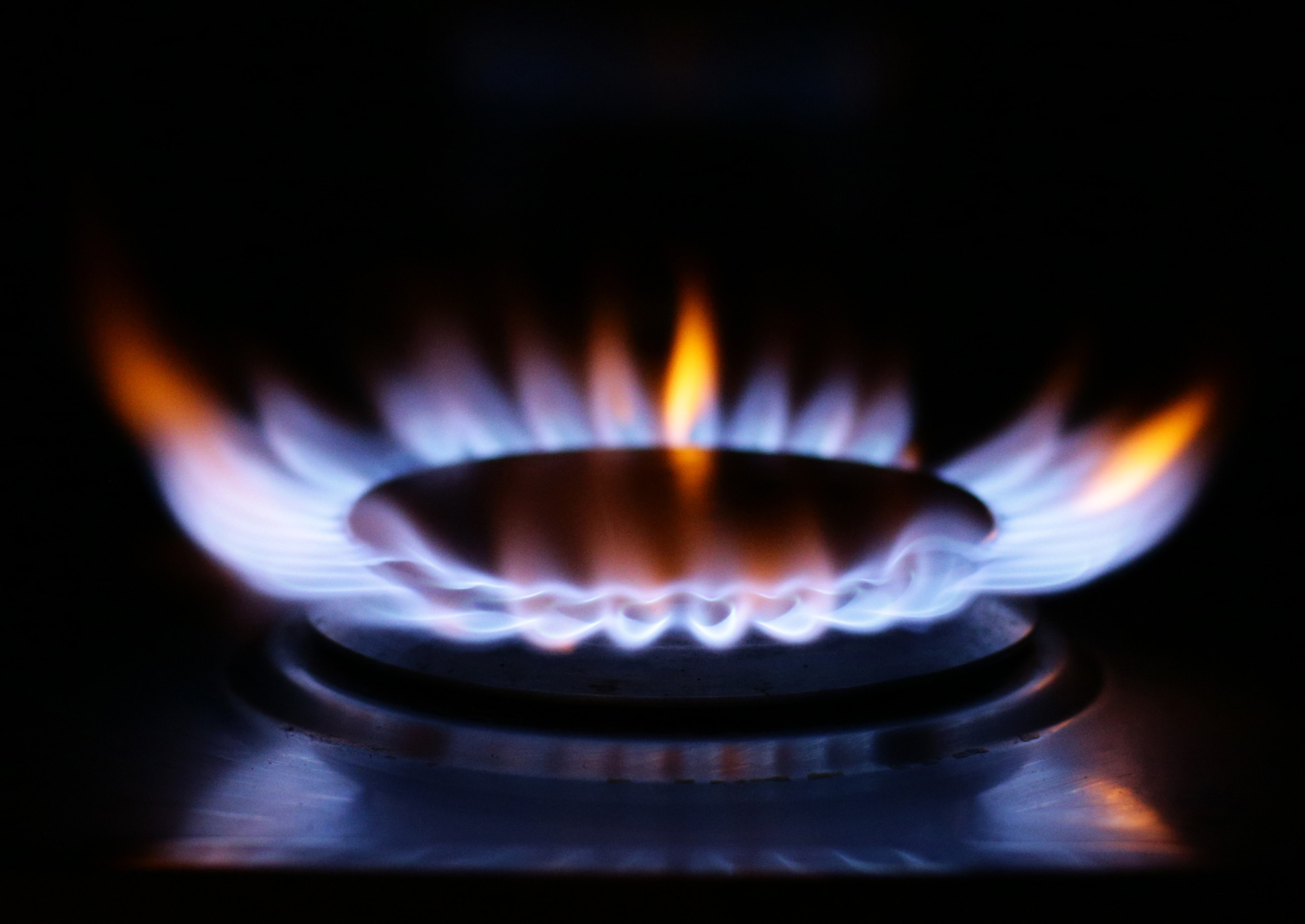
Further price increases for households and motorists are predicted.
Irish households will likely face no let-up in price hikes this winter as wholesale prices in gas and oil feed into higher utility, heating, and transport costs, Irish experts have predicted.
The warnings come as European wholesale gas prices held their elevated levels on Wednesday as nations build depleted stockpiles to offset risks of a bitterly cold continental winter. Risks to household heating and electricity have also increased should wind across Europe and hydro-electric power in Scandinavia fall below expectation for a second year.
For motorists, there was some good news as the price of Brent crude oil, the global benchmark, fell below $85 a barrel on Wednesday. However, crude oil prices have risen 115% from a year ago and price increases of 7% for crude oil in the last month alone will, within weeks, lead to higher prices motorists pay for petrol at forecourts.
Global investment bank Goldman Sachs this week reiterated its forecast that crude oil would rise further by the end of the year.
Experts said there will likely be further price increases for Irish households and motorists. Semin Soher, senior inflation trader at Bank of Ireland Global Markets, said that energy price hikes are still in the pipeline as the winter approaches.
"The recent increase in energy prices has been driven by a variety of global factors which reduces the likelihood that an end to higher prices is coming, especially with demand likely to increase as we enter the colder winter months," said Ms Soher.
Lisa Ryan at UCD, an energy economics expert, said Ireland was one of the most dependent countries in Europe on oil and gas, which meant that the production of electricity from wind offers the island huge opportunities in the future.
"There definitely is a crunch right now from a mismatch globally between supply and demand, including the cold weather last winter in Europe which brought gas reserves down to 75% of normal levels," said Prof Ryan.
Making matters worse was that the wind in Europe blew less than expected, while Scandinavian hydro-power also generated less than expected amid lower than normal rainfall in the region, she said.
Prof Ryan said that Russia had met its contractual obligations to western Europe but had not responded by supplying much additional gas in recent times.
"When you have one fossil fuel under pressure as we do with natural gas, you have people switching to other fuels, which means that oil prices are pushed up, and in power production, even coal prices are increasing because electricity suppliers are turning back on old coal-fired power plants," she said.
"This crunch we are having right now, the chances are it won't go away for Europe until the end of the heating season.
"There does not seem to be any magic supply from anywhere."
CONNECT WITH US TODAY



Be the first to know the latest news and updates