Eurozone inflation jumps to decade high of 3% in latest test for ECB
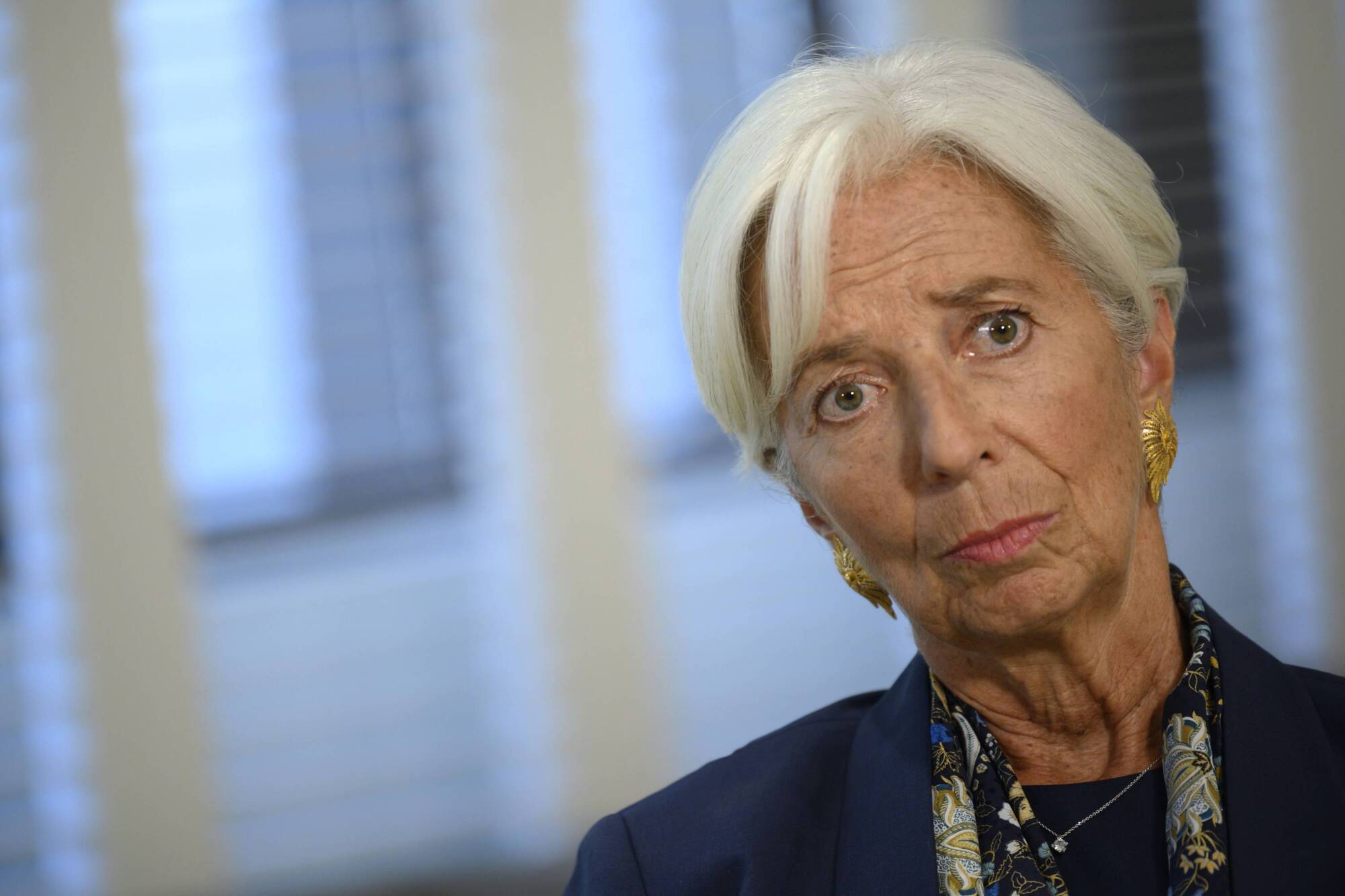
ECB head Christine Lagarde is not worried about inflation.
Eurozone inflation jumped to the highest in a decade in August, testing policymakers’ insistence that a post-crisis spike in cost pressures should prove temporary.
Consumer prices rose 3%, exceeding the predictions of all 37 economists in a Bloomberg survey.Â
A measure of core inflation that strips out volatile items such as energy and food reached 1.6%, the highest since 2012.
The data will heighten the ECB’s communication challenge as a global supply squeeze and one-time factors drive up costs, while the pandemic threat persists.Â
Viewing faster inflation as temporary, officials are keeping monetary policy looser than counterparts such as the US Federal Reserve, which expects to wind down stimulus soon.
“[This] will cause some sweaty palms but has not given much evidence of more structural high inflation,” said Bert Colijn, an economist at ING Bank in Amsterdam.Â
“This is not set to sway the ECB towards a more hawkish stance ahead of the September meeting.”Â
Eurozone price growth may still keep accelerating for now. Imported inflation in Germany, the region’s largest economy, is running at 15%.Â
Retailers across the 19-nation region plan to jack up prices in the next three months and consumers have already adjusted, saying they’re less likely to make major purchases in the coming year.
A separate report showed France’s inflation rate jumped in August by the most in almost two decades to 2.4%, the highest since 2018.Â
In Italy, meanwhile, the pace of price growth reached 2.6%, the fastest since 2012.
German bonds extended losses after the eurozone data, with the yield on 10-year notes up two basis points at -0.42%.
Despite price growth running well above the 2% level the ECB aims to achieve in the medium term, officials led by president Christine Lagarde insist it will slow again next year.Â
Bank of France governor Francois Villeroy de Galhau said, on Monday, he sees no risk of overheating in the currency bloc.
A temporary cut to Germany’s sales tax in the second half of last year is lifting inflation readings at the moment, with the country’s central bank expecting rates as high as 5% toward the end of 2021.Â
This month’s rate is also bolstered by the timing of summer sales, which were delayed last year due to pandemic curbs.
With that backdrop, the ECB governing council’s view of inflation remains sanguine.Â
While prices are accelerating, the outlook has become cloudier in recent weeks, with coronavirus infections on the rise again and the vaccination rate slowing down, increasing the threat of new restrictions.
According to Mr Colijn at ING, faster inflation remains a risk, with question marks over whether higher raw-material and transport costs will pass through to goods, and if service-sector reopenings will cause price jumps.
• Bloomberg