Domestic demand to grow at slower pace in 2026, says Ibec
It's latest report notes that the Irish economy continues to show sustained momentum, underpinned by a positive global economy and the exemption of almost 80% of Irish exports to the US from punitive tariff measures. Photographer: Patrick Bolger/Bloomberg
Domestic demand will grow next year, but at a slower rate compared to 2025, business lobby group Ibec has forecasted.
Publishing its latest economic outlook, the organisation said domestic demand will grow by 2.8% in 2026, following a growth rate of 3.4% in the last 12 months.
It's latest report notes that the Irish economy continues to show sustained momentum, underpinned by a positive global economy and the exemption of almost 80% of Irish exports to the US from punitive tariff measures.
Meanwhile, GDP grew from 2.6% in 2024 to 11.6% in 2025, largely due to the front-loading of pharmaceutical goods in the early part of the year to avoid potential US tariffs, Ibec added.
Whilst this moderated somewhat throughout the summer, a further spike in September, ahead of expected Section 232 tariffs at the time, left total Irish goods exports up 28% on the first nine months of 2024, with a 66% increase in BioPharma exports in the first eight months of 2025 driving the numbers.
As the impact of front-loading begins to fall out of the data, Irish goods exports relative to 2025 may soften in the year ahead, the business group said.
This will be offset somewhat by significant growth in the exports of some products, particularly in the pharmaceutical sector, where Ireland is seeing rising production in new high-value drugs with strong global demand.
Ibec noted that it may be 2027 before it can fully understand the impact of tariffs on Ireland’s exporting sectors and their supply chains.
The report also highlights consistent signs of a slowdown in the labour market, although noting that this slowdown is coming from a historically high base.
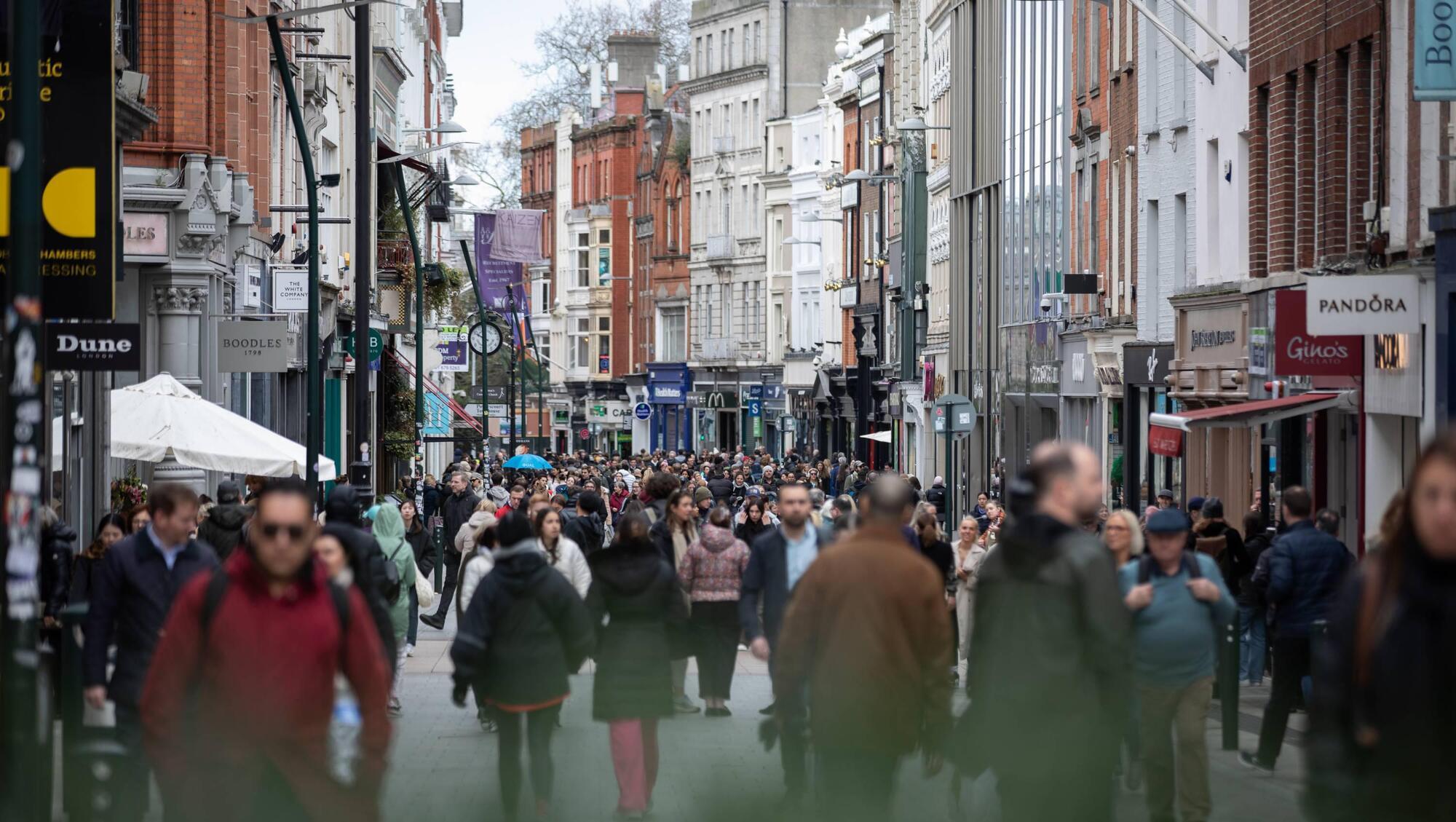
Despite this cooling, Ibec said strong population growth, coupled with wage growth and moderate inflation, continues to point towards ongoing growth in both household incomes and consumer spending in 2026.
The lobby group noted that just over 25,600 employment permits were issued in the first ten months of 2025, representing a drop of 23% compared to the same period in 2024. In a continuation of a trend which has been felt across the year, the drop in permit activity was concentrated in three sectors, those being health, ICT and agriculture.
Speaking on the growth of AI, Ibec said investment in the sector was driving a wealth effect through rising equity valuations, as well as an investment boom in AI-related capital expenditure, which some analysts suggest drove half of US GDP growth in the first half of 2025.
"We are now seeing that technology, especially AI and geopolitics, are driving economics in a material way, which leads to greater uncertainty and makes business planning more difficult," said Gerard Brady, chief economist and head of national policy at Ibec.
"Since President Trump’s April tariff announcement, most of 2025 has been defined by a volatile trading environment. Despite this, over the last number of months we have seen renewed momentum in investment decisions, particularly with a US-EU trade deal in place.
"While elements like Section 232 remain to be fully resolved, especially for Ireland, the economy, while likely to slow next year, remains extremely resilient."
CONNECT WITH US TODAY



Be the first to know the latest news and updates