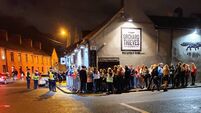
People won't return to wet pubs and indoor restaurants 'if anxiety over new Covid cases stays high'
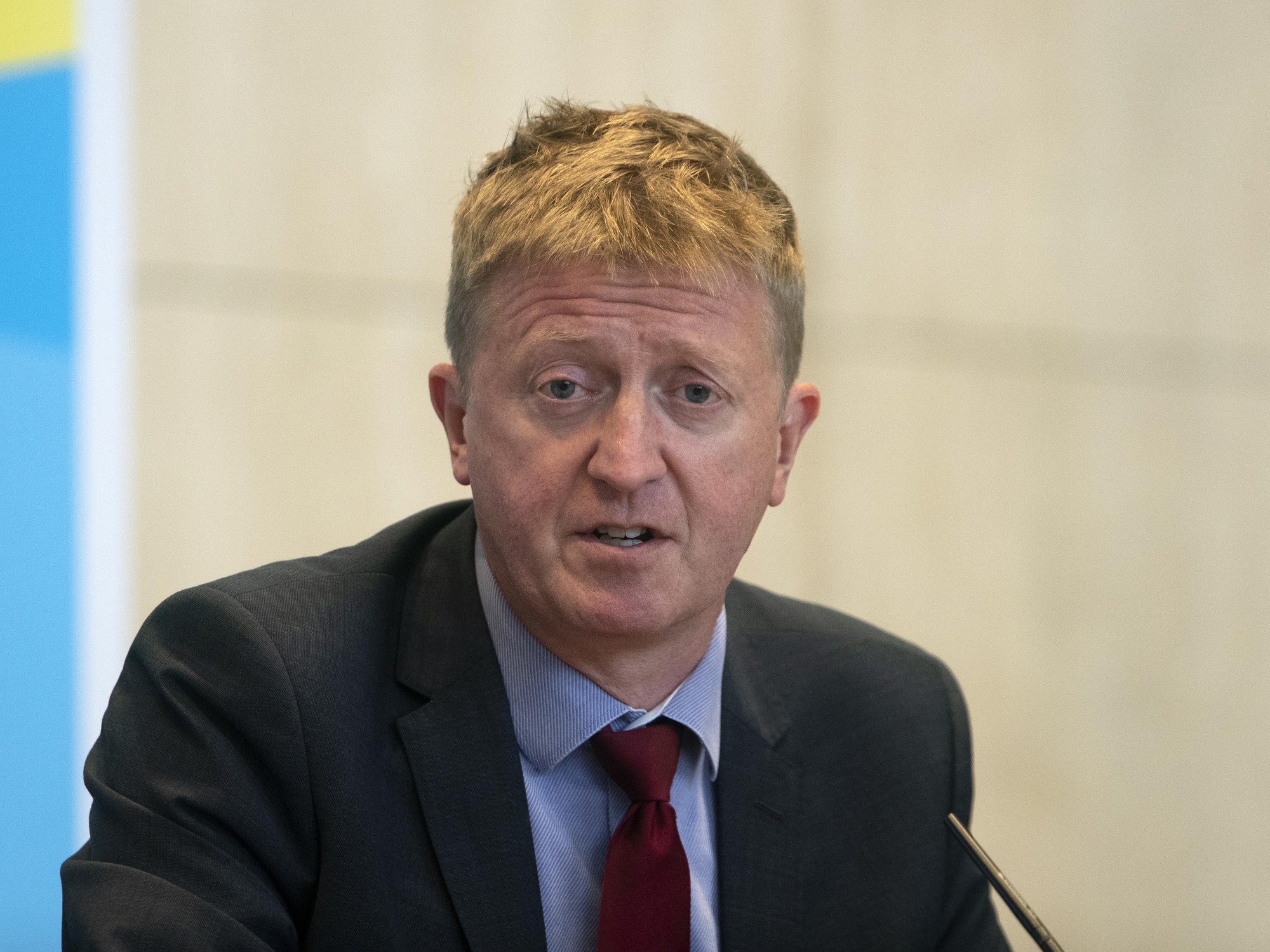
Professor Peter Lunn of the ESRI said people will feel either much more comfortable or anxious about going to eat or drink indoors depending on the daily new case numbers. Picture Colin Keegan, Collins Dublin
Many Irish people will likely not automatically go back into wet pubs and indoor restaurants even when the businesses reopen this summer if the Covid case numbers reported daily remain at elevated levels, an ESRI professor who conducts behavioural research on the pandemic for the Government has predicted.
Peter Lunn of the Economic and Social Research Institute (ESRI) said there will be a strong link between reducing numbers to around 100 new cases a day from the current number of around 450 with the footfall that wet pubs and indoor restaurants will secure when they reopen this summer.
His ESRI unit measures people's social behaviour and social interactions and what is driving that behaviour during Covid on a fortnightly basis for the Department of An Taioseach, under a study called , or .
Hospitality businesses relying on serving people indoors should be looking at the case numbers to predict the success of their reopening because research shows people assess the risks of catching the disease from the daily news reports on case numbers, Prof Lunn said.
"We know this not only form Ireland but from research internationally that what drives them is the perception of the risk," he said.
Prof Lunn said that people will feel either much more comfortable or anxious about going to eat or drink indoors depending on the daily new case numbers.
As the case numbers reported in the news goes up and down, people's levels of caution goes up or down too, rather than being based on what they are allowed to do, he said.
He said that the vaccines will come to young adults perhaps a little faster than they anticipate despite supply problems, and "as things stand we we are quite close to opening it up to the people in the 20 to 40" age range.
Prof Lunn said despite the proposed summer reopenings, he would not expect people's behaviour to change quickly because last time the restrictions were lifted, it took about eight to 10 weeks for the new opening rules to filter down to affect behaviour.
The ESRI is doing more research on whether people change their behaviour between the first and second jab and whether they are following advice on the build up of immunity.
"One of the important things is to understand how important the vaccine programme has been because we have case numbers which are still relatively high looking across the pandemic.
"And a lot of people do not understand why they are still high — but the only reason we can open up is the disease suppression which is being provided by the vaccines," the professor said.
He said that people need to realise is that the reopening of the economy is possible because the vaccines have been so successful.
Current new case numbers are still quite compared with earlier in the pandemic because new Covid variants allow the disease to spread more easily, but the case numbers are not rising sharply because vaccines are keeping a lid on the pandemic, he said.

CONNECT WITH US TODAY



Be the first to know the latest news and updates