Income and excise tax haul point to 'quick rebound' from Covid-19 slump
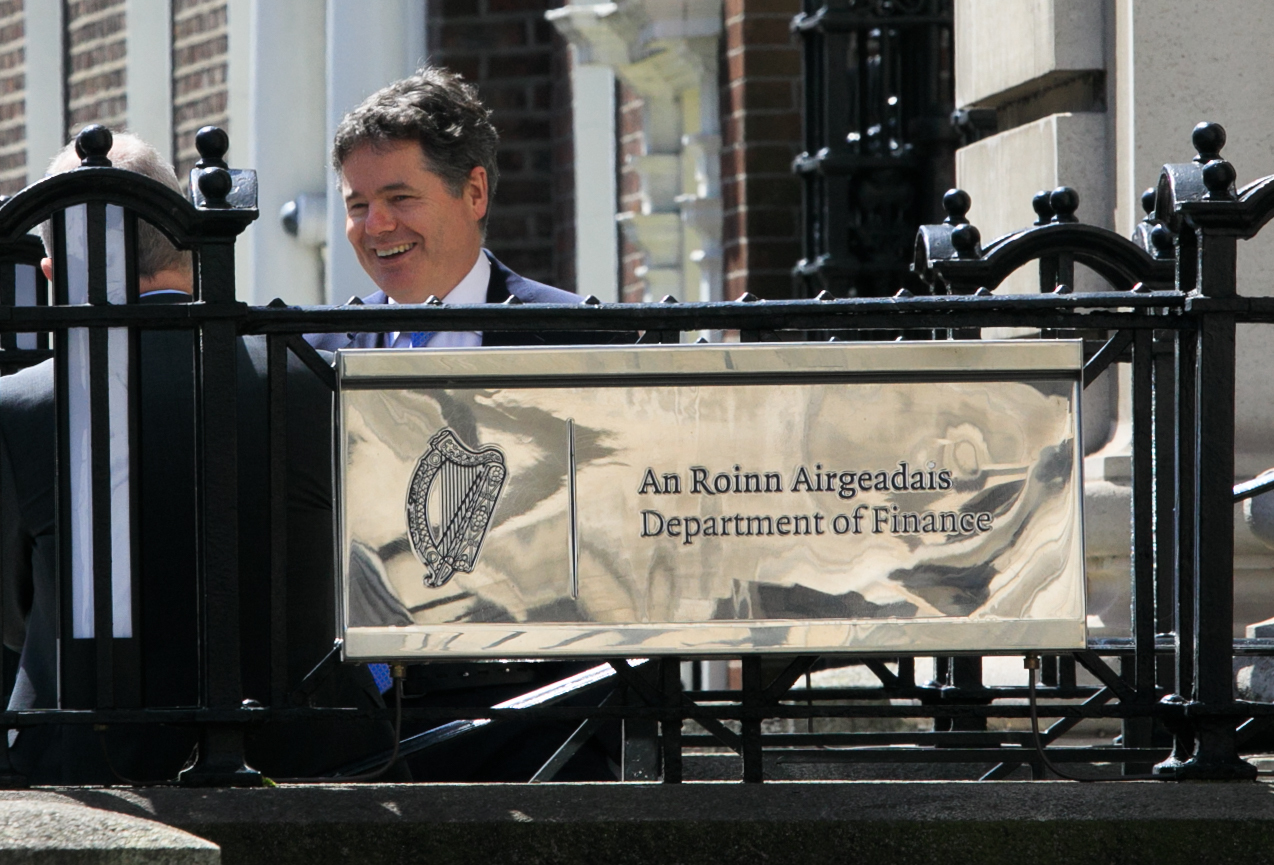
Finance Minister Paschal Donohoe played down the strength of the tax figures, saying that while the income and excise tax sources continued to perform, that the 'cost to the exchequer has been substantial' from the crisis. Picture: Gareth Chaney/Collins
A large rise in the income tax and excise revenues – even before the economy fully reopens – is pointing to a quick rebound from the Covid-19 slump, new figures indicate.
The April exchequer returns show the Government collected €16.1bn overall tax revenues during the first four months of the year – up by more than €650m from a year ago– despite the huge numbers of people who are still relying on some sort of welfare payment to make ends meet during the lockdown.


Read

Listen

Watch

Play
CONNECT WITH US TODAY



Be the first to know the latest news and updates



The Business Hub
Newsletter

News and analysis on business, money and jobs from Munster and beyond by our expert team of business writers.
The Business Hub
Newsletter
News and analysis on business, money and jobs from Munster and beyond by our expert team of business writers.

Lunchtime News
Newsletter
Get a lunch briefing straight to your inbox at noon daily. Also be the first to know with our occasional Breaking News emails.
Revoiced
Newsletter
Had a busy week? Sign up for some of the best reads from the week gone by. Selected just for you.
Most Read
Thursday, October 1, 2026 - 1:00 PM
Thursday, October 1, 2026 - 7:00 PM
Wednesday, September 30, 2026 - 5:00 PM