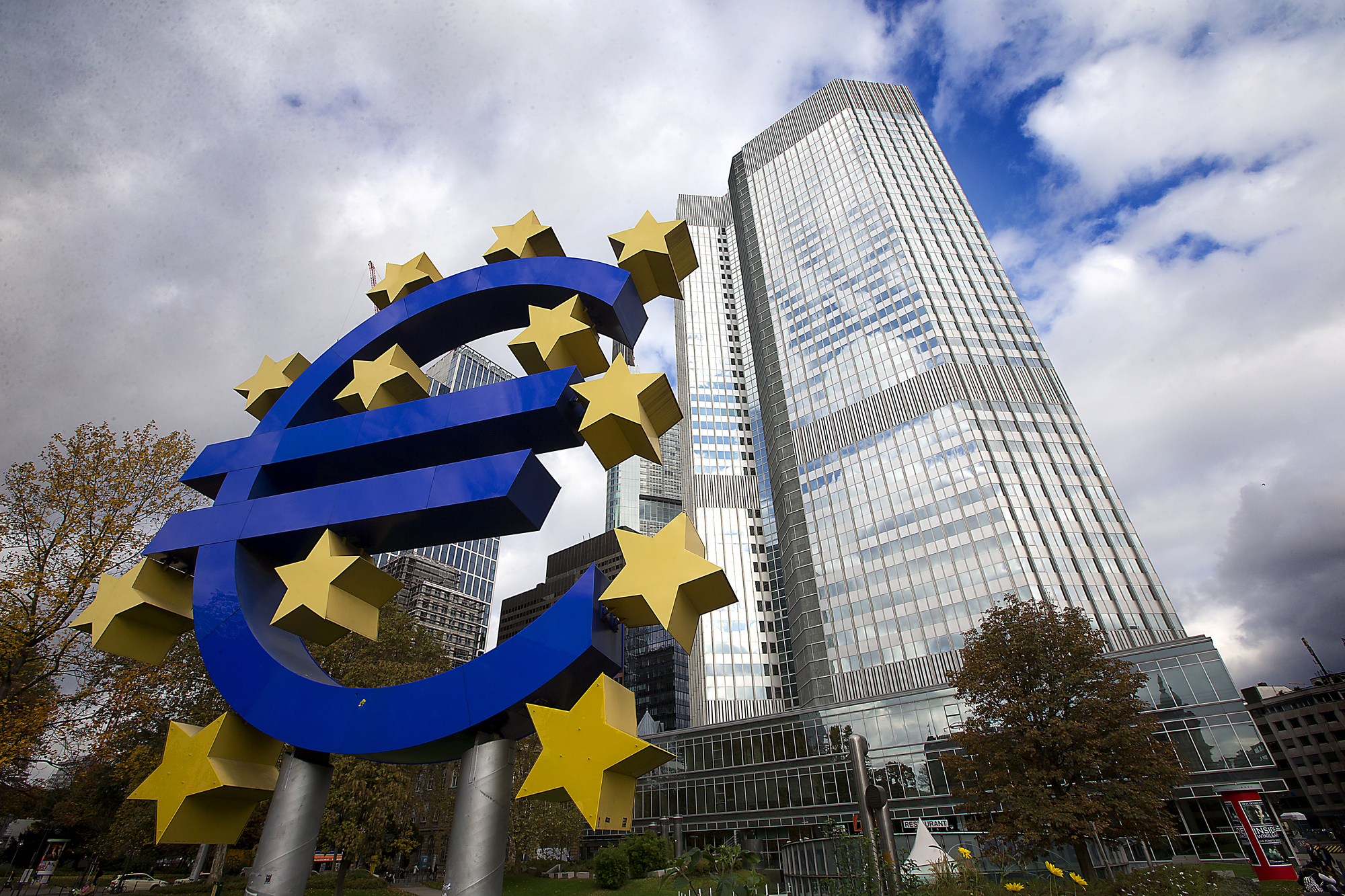
Eurozone not out of the woods yet, warns ECB's Lane
The pick-up in the vaccination campaign is paving the way for a lifting of Covid-19 restrictions in the coming months and should allow for a 'good recovery'. ECB chief economist Philip Lane said.
ECB chief economist Philip Lane warned the eurozone economy will need time to achieve a full recovery despite finally reaching a turning point in the crisis.
The pick-up in the vaccination campaign is paving the way for a lifting of Covid-19 restrictions in the coming months and should allow for a “good recovery”, Mr Lane said in an interview with Sweden’s .
“There will be a rebound, but I should say, of course, this is all in the context of this pandemic being a huge negative shock,” he said.
Mr Lane’s remarks came on the day a separate report showed confidence among eurozone businesses and consumers improved sharply in April. A European Commission sentiment index increased sharply, exceeding all estimates.
"We are very much I think at an inflection point,” Mr Lane said. “We do see a good recovery throughout the rest of this year.”
The 19-country eurozone is starting to heal even as infection rates in some countries remain high. Vaccinations have accelerated after early stumbles, allowing governments to plot an exit from restrictions that almost certainly tipped the area into a double-dip recession in the first three months of the year.
The German government this week raised its growth forecast for the year to 3.5% and expressed confidence that consumer spending would take off once the pandemic is under control.
Manufacturing has also held up well, though the sector is now facing supply shortages that are threatening to hold back the recovery.
Industrial confidence hit a record high in April, with production expectations reaching unprecedented levels while stocks were scarcer than ever. The mood in services improved for a second consecutive month, driven by optimism about future demand.
Consumers assessed both the general economic situation and their personal conditions as more positive. Employment plans rose in all surveyed business areas.
A separate report showed unemployment in Germany unexpectedly increased this month after nearly six months of lockdowns – despite generous government subsidies enabling businesses to retain workers.
The ECB has repeatedly pointed to downside risks for the economy in the short term, arguing that prospects will improve in the second half.
• Bloomberg