Ratings giant Fitch sees Irish bank bad loans rising and State's credit guarantee scheme failing
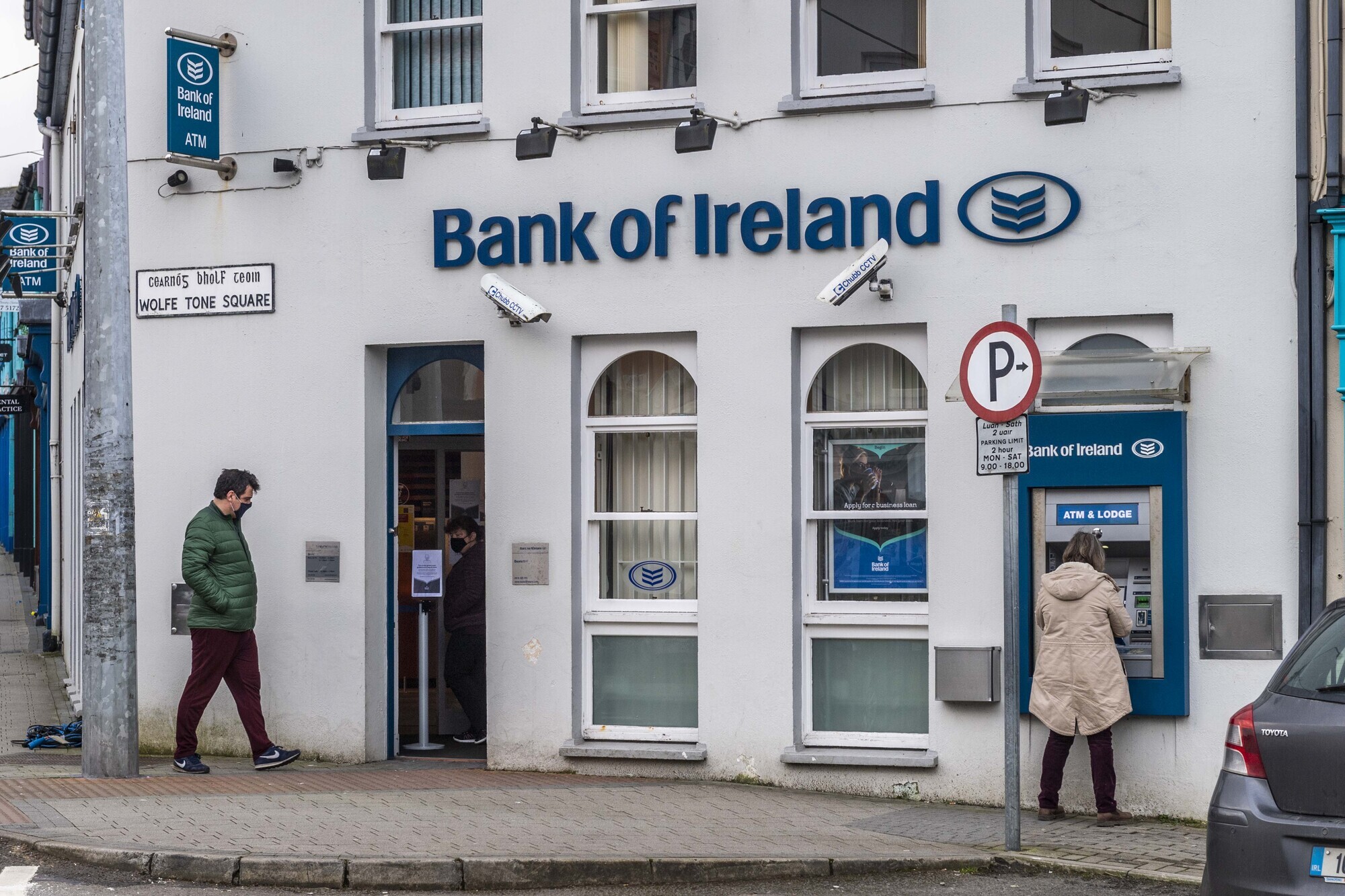
The main Irish banks are likely to see an increase in non-performing loans this year, according to international ratings agency Fitch.
The amount of non-performing loans on the books of the main Irish banks will increase this year, as Covid supports end, but the impact is expected to be less severe than was the case after the 2008 financial crisis.
International ratings agency Fitch said – as is widely anticipated – bad loan levels will rise as support measures for borrowers, particularly payment breaks, come to an end.
It said take-up of the Government-backed credit guarantee scheme is likely to remain low, removing a layer of lending protection for the banks.
Fitch said it also expected loan impairment charges at Irish banks – or the amount of money the lenders put aside to cover the cost of bad loans – to remain above normal levels this year.
Earlier this month, the country’s two largest banks reported heavy losses for 2020 on the back of large provisions for bad loans.
AIB set aside €1.46bn for Covid-related bad loans, while Bank of Ireland took a €1.1bn provision hit.
As of the end of 2020, 7.3% of AIB’s gross loan book comprised of non-performing loans. The percentage of bad loans on Bank of Ireland’s books, meanwhile, had risen from 4.4% to 5.7%.
However, since the start of this year, AIB has carried out two non-performing loan book sales – one for €150m and one long-term non-performing portfolio for €600m – bringing its bad loan percentage down to 6%.
The bank has a medium-term target to reduce its percentage of non-performing loans to 3%. Bank of Ireland is also understood to be considering its own sale of non-performing mortgage loans.
In a research note on the Irish banking sector, Fitch highlighted both banks’ sale plans and prioritising of low single-digit percentages of impaired loans as a positive sign.
“The two banks have tested frameworks for dealing with stressed assets, which should help the resolution of new problem loans,” it said.
The EU warned, back in November, that European banks may only start seeing the worst effects of a new wave of non-performing loans in 2021.
In reply, analysts here and the Central Bank said Irish banks were already well-prepared.
Fitch also said Irish banks were set to remain “less protected” than their counterparts elsewhere that have made greater use of state-guaranteed loans during the crisis.
It noted that businesses here availing of the Government-underwritten €2bn credit guarantee scheme has been “extremely low” – at just 0.2% – and was “unlikely to increase significantly”.
Meanwhile, just under 55,000 private residential mortgages were in arrears at the end of December, according to the Central Bank.
That was down by 462 accounts – or 0.8% – on the previous quarter.
The slow decline in arrears cases may be continuing, but still nearly half of those mortgages in arrears have been so for more than two years.
Brokers Ireland said “not enough is being done” to tackle Ireland’s mortgage debt crisis, noting that 30% of arrears cases have been in the red for more than five years and many will never be resolved.
CONNECT WITH US TODAY



Be the first to know the latest news and updates