Preparation is key for the new border reality
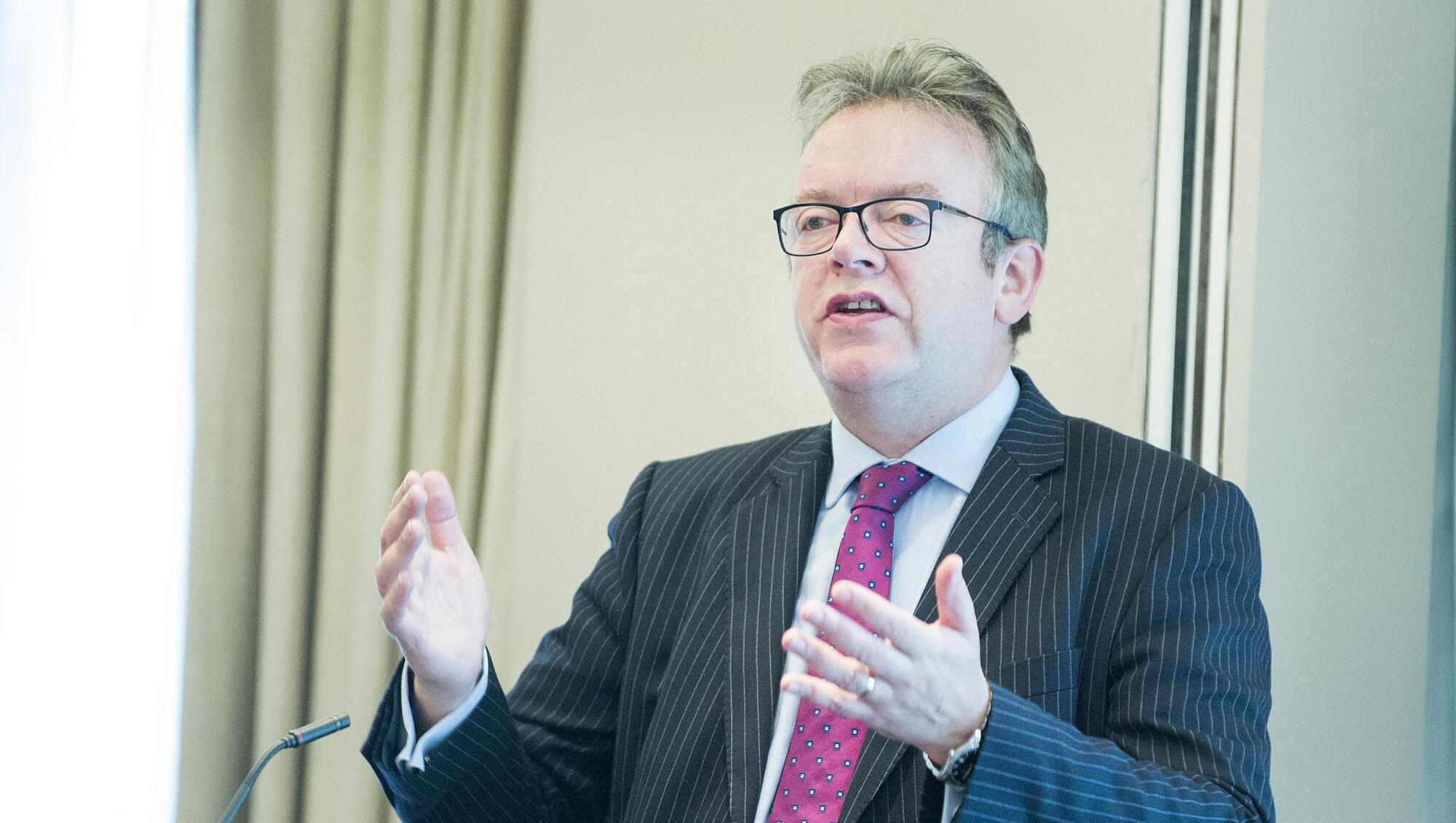
Brian Keegan, director of public affairs at Chartered Accountants Ireland, talks to John Daly
Brian Keegan: 'While businesses that import or export directly with the UK will be affected, the effects of this will be much wider.'


Brian Keegan: 'While businesses that import or export directly with the UK will be affected, the effects of this will be much wider.'

WITH the Brexit endgame fast approaching, the clock is ticking down for Irish export companies to prepare for new trading challenges on the horizon. Trading conditions between the UK and EU will change from

January 1, 2021, and while the Protocol on Ireland/Northern Ireland will avoid a hard border on the island of Ireland, Brexit will still bring changes to trade that will impact on business.

“The world is changing after December 31st for anyone trading with the UK,” says Dr Brian Keegan, director of public affairs at Chartered Accountants Ireland.

“While so much hope has been pinned on a possible trade deal, it has overlooked the fact that everything will change after that date anyway.

“Even if there is a trade deal, because the UK is no longer part of the customs union, there will still be paperwork to be done - and that is irrespective of any outcome between now and the deadline.”

The essential message from Chartered Accountants Ireland is: unless companies have their customs classifications and paperwork up to date, goods cannot be moved between the UK and Ireland.

The other message Chartered Accountants Ireland wants to press home is how trading arrangements for a significant number of Irish SME’s is going to change.

“While businesses that import or export directly with the UK will be affected, the effects of this will be much wider. For example, many Irish agri businesses use UK ingredients, and a considerable number of Irish manufacturers use UK components.

“And even if they are not importing those items directly from the UK but sourcing them from a distributor who is, all of these links are going to be that bit more fragile after December 31st. 

If one of the suppliers in that chain does not have the correct paperwork, that will mean everything gets held up and disrupted. We have been flagging since the referendum outcome that this is where the problems are going to be.

This sensitivity derives from Chartered Accountants Ireland’s lineage an all Ireland organisation going back 130 years, and pre-dates partition. Some 20% of its membership is in Northern Ireland, and in which the body trains accountants who are recognised in the UK and Ireland.

“This unique situation we are in explains our work and campaigning around the changes that are coming after December 31st.”

Dr Keegan also impresses the importance of SME’s registering with HMRC or Revenue for an EORI number — all businesses within the EU, from sole traders upwards, need an EORI number when importing or exporting any commercial cargo from or to the rest of the world outside the EU.

“Without an EORI number, you cannot make a customs declaration, and thus cannot ship goods in our out — they will be stopped at Dublin Port or any of the ports in the UK. The features we’ve been seeing on television news in recent days about plans for traffic backups heading into Dublin Port are for real - lorries are going to be held up and turned away. The old days of roll on, roll off crossing the Irish Sea? That’s over.”

While many SME’s are well prepared for the new reality that awaits on January 1st, there are still considerable numbers who have left it too late — a situation that is partly due to the number of Brexit deadline extensions passed over the past three years.

“Businesses were marched up to the top of the hill, and then marched down again on a number of occasions — all of which contributed to mixed messages and an eventual lack of urgency in relation to the seismic changes that were coming down the line.”

In the end, while January 1 will bring challenges, and possibly an initial degree of chaos, the long-term view will likely see the general market and new systems eventually settling down.

“Trade happened before anyone of us was part of the European Union, and trade will continue afterward. Businesses will of course adapt, similar to how they have already adapted to online trading. If businesses can no longer ship things back and forwards one way, they will quickly find another way of doing it. But it will take time.”

x

More in this section

The Business Hub

Newsletter

News and analysis on business, money and jobs from Munster and beyond by our expert team of business writers.

Cookie Policy Privacy Policy Brand Safety FAQ Help Contact Us Terms and Conditions

© Examiner Echo Group Limited