What are your rights if Britain crashes out of EU?
In a hard Brexit, many protections for Irish consumers will still apply, but others won’t and there may be tax and redress issues
What are your rights if Britain crashes out of EU?

AS the brinksmanship and showboating around Brexit continue, we don’t know whether or not a deal will be done. Here’s how Britain’s exit from the EU will affect Irish consumers if we get a hard Brexit.

If Britain does crash out, nothing will happen until the Brexit transition period ends on the last day of the year.

And even then, many of the consumer protections that are already in place will continue. Under EU law, if you buy from a trader in another country and it can be proved that the trader directs their commercial activities in Ireland, then Irish law applies.

On that basis, Irish courts will continue to apply EU consumer-protection rules even if the trader is based in the UK. These rules range from the Unfair Commercial Practices Directive and the Consumer Rights Directive to the Consumer Sales and Guarantees Directive and the Package Travel Directive.

For added protection, pay using a credit or debit card to avail of charge-back, by which a card issuer can reclaim his/her cash in the event of a disputed transaction.

Additional taxes

Then, there are the additional taxes. Currently, when you buy from a trader based outside the EU, extra charges may apply. 

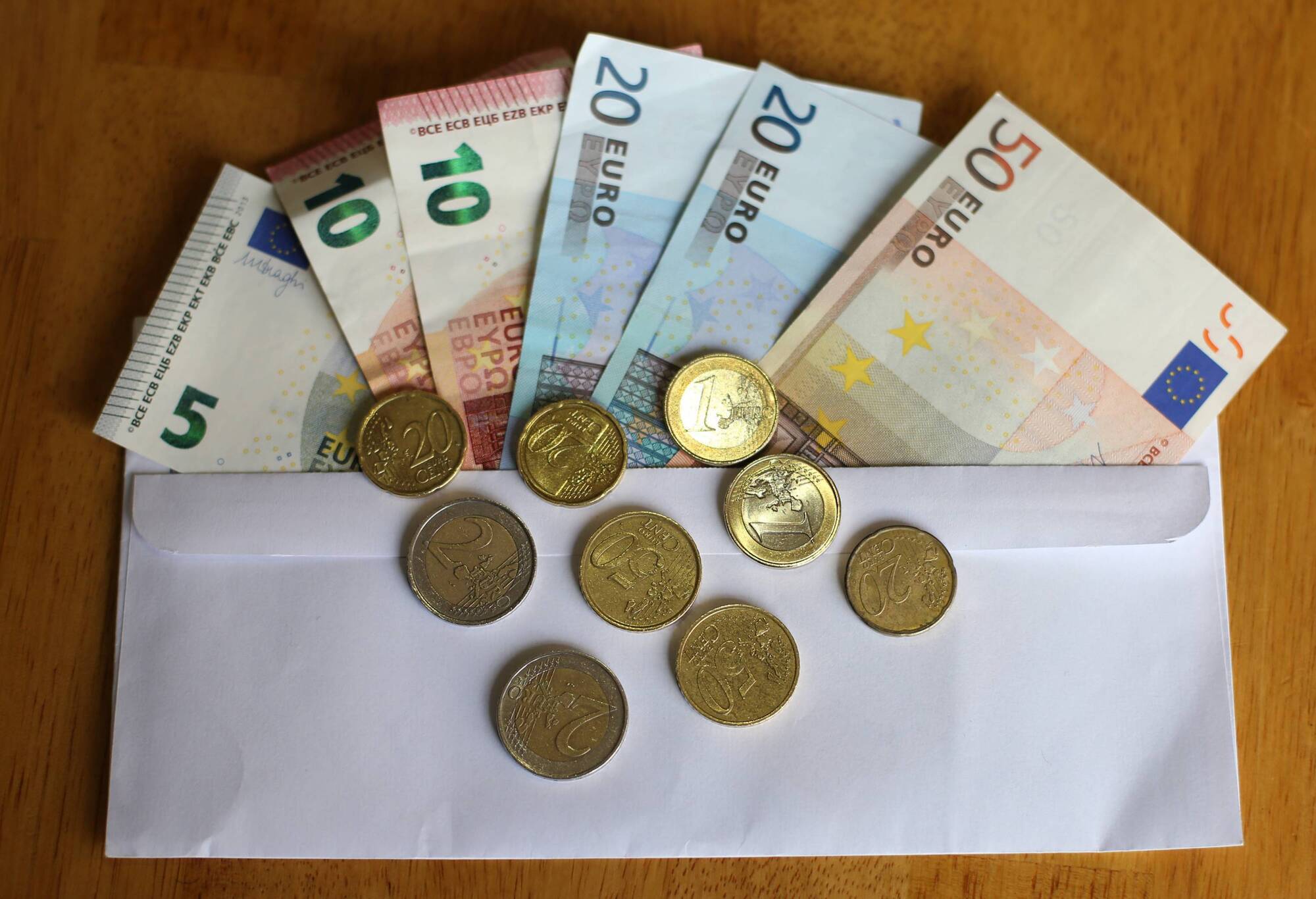
According to Revenue, if your goods have a customs value (including cost, transport, insurance, and handling charges) of €22 or less, you don’t have to pay customs duty or Vat.

If the intrinsic value (the value of the goods alone excluding transport, insurance, and handling charges) is more than €150, then you will have to pay customs duty. 

Next year, therefore, before ordering from a UK trader or any other trader based outside the EU, check what Vat or import charges you may have to pay on top of the original cost of the goods.

If you buy a product from a physical store in Ireland, your contract is with that seller and any request for redress (repair, replacement, or refund) should be made directly to that seller. 

In such cases, your consumer rights will not change because of Brexit, even if the owner of the chain or brand is based in the UK.

EU consumers who have a dispute with a trader based in another EU member state can get advice and seek assistance from the European Consumer Centres Network (ECC-Net). Consumers can also avail of the European Small Claims Procedure and Online Dispute Resolution (ODR). These procedures are available only where a consumer and a trader are both based in an EU member state.

When the transition period ends, consumers who have a dispute with a trader based in the UK will no longer be able to seek redress through the ODR platform. 

The UK ECC will cease to be a member of the ECC-Net, which means they won’t be able to assist with complaints involving consumers or traders from the UK. Also, the European Small Claims Procedure will cease to operate in the UK in such a case.

Though these avenues may be closed, you will still be able to make a complaint to the business involved. If that doesn’t resolve things, you can still take UK trader to court, as long as the trader has marketed the goods here. EU rules continue to apply in that case. 

But if the UK-based trader hasn’t marketed the goods in Ireland, your rights will depend on UK law.

Package holidays

As regards package holidays, EU rules will remain in place during the transition period. 

Travellers who book package holidays with operators based in the UK will continue to be protected. 

Your package-holiday rights include the expectation that the holiday you booked matches the description given to you at the time of the purchase and that, if something goes wrong with your holiday, you have the right to make a complaint and submit a claim for compensation.

Post-Brexit, it’s like everything else. If a UK-based trader has marketed their package holidays here, they must stay within EU law. 

This means that they must provide insolvency protection, so that you don’t get stranded if the company goes belly up while you’re relaxing on the beach. 

But if they don’t market here and you signed up for a package holiday with them anyway, your rights will depend on UK law.

The EU grants protections in the case of cancelled or delayed flights.

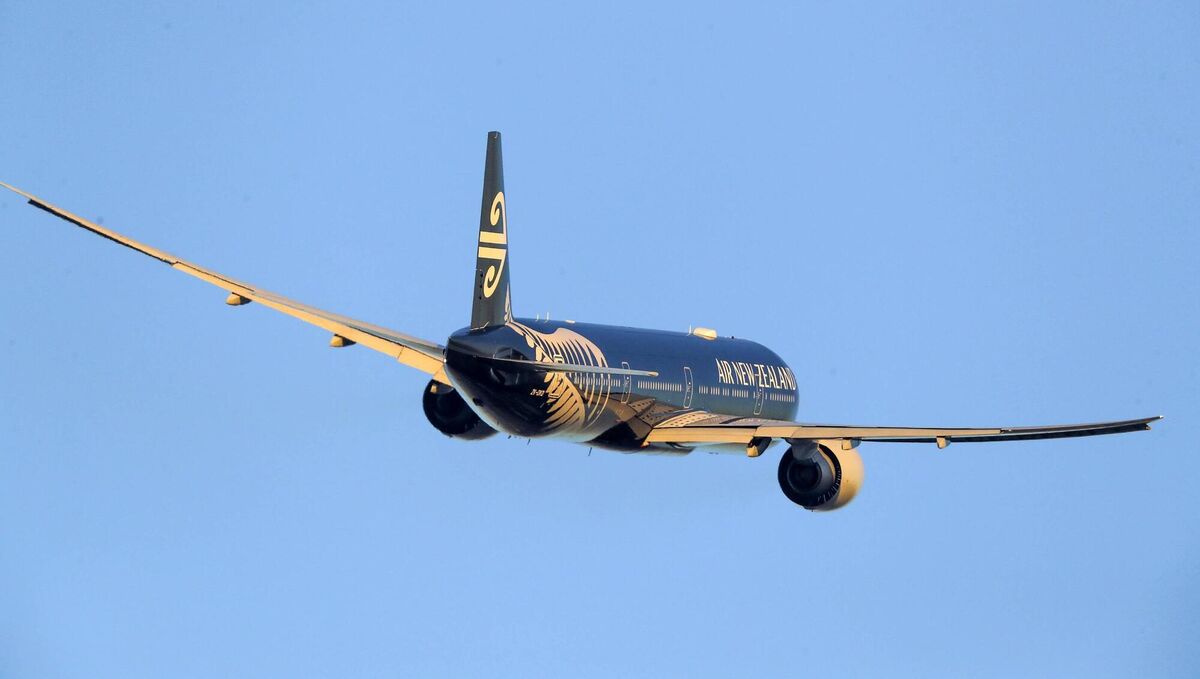
Then, there’s air travel. The EU grants protections to air passengers in the case of flight cancellation, delayed flights, and/or denied boarding. 

Known as Regulation (EC) 261/2004, this protection applies to all passengers travelling on flights leaving the EU, Iceland, Norway, or Switzerland, regardless of where the carrier is based or the destination airport. 

It also applies on flights arriving into the EU, Iceland, Norway, or Switzerland, regardless of the departure airport, but only if the carrier is based within the EU.

So if you’re travelling with an EU-based airline, you’ll continue to enjoy your EU air-passenger rights regardless of whether you are travelling to or from the UK.

Moreover, the UK has passed legislation to maintain all of the Regulation (EC) 261/2004 rights. According to UK company, Flightright, the new laws grant the same rights, covering all flights departing from the UK no matter what airline; all flights departing outside the UK and landing in the UK; and all flights departing outside the UK and landing in the EU, if the operating carrier is a UK air carrier.

Data and roaming charges

EU mobile-data-and-calls roaming rules will also apply in the UK for the rest of the year.

After this point, Comreg, the telecoms regulator, says that it all depends on what sort of trade deal is agreed by the UK and the EU. 

In any case, mobile customers will continue to have legal protections around roaming, which includes the mobile provider’s duty to tell us about any roaming charges we might incur outside the EU.

People also have justifiable concerns about the safety and supply of medicines post-Brexit. 

As regards supply, the European Commission says that a crash out will have no impact on the high quality and safety that patients in the EU expect from the medicines they take.

The commission can’t be quite as definitive about supply. In principle, they say, your access to medicines should remain unchanged.

In principle, they say, your access to medicines should remain unchanged.

“However, even the best preparation cannot fully exclude the possibility that there might be a temporary impact on the supply of some medicines…Shortages of medicines are, unfortunately, not rare and already happen for different reasons not related to the UK’s withdrawal.

“The European Medicines Agency and national regulators are experienced in dealing with this and take the necessary actions, so that patients get the right advice about their treatment,” the consumer agency says.

x

More in this section

The Business Hub

Newsletter

News and analysis on business, money and jobs from Munster and beyond by our expert team of business writers.

Cookie Policy Privacy Policy Brand Safety FAQ Help Contact Us Terms and Conditions

© Examiner Echo Group Limited