UK job cuts increased even as lockdown eased
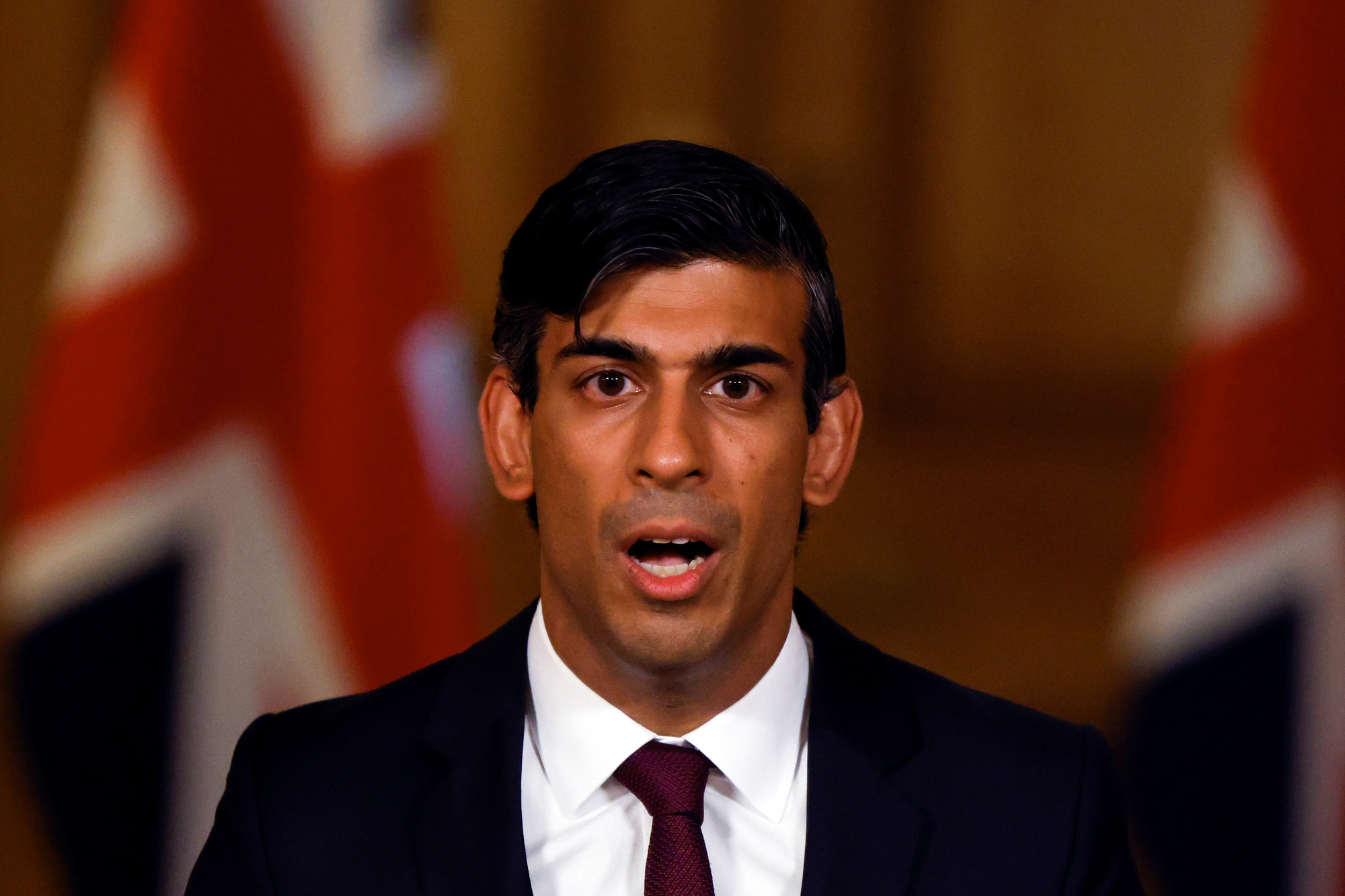
British Chancellor of the Exchequer, Rishi Sunak’s efforts to keep people in work come too late for many people. File pic
job cuts jumped the most on record in the three months through August even as lockdown eased, raising concern that the worst is yet to come.
The number of redundancies climbed 114,000 in the June-August period, the most since 1995, the 's Office for National Statistics said. That left the total at 227,000, a rate of more than 8 per 1,000 employees.
Meanwhile, employment fell by 153,000, almost five times the level estimated by economists, and the jobless rate rose to 4.5%, the highest since 2017.
The figures follow data last week showing the 's economic recovery slowed dramatically in August.
With more curbs now in place to limit the spread of the virus, the fear is the winter will see more economic turmoil and a painful spike in joblessness.
Combined with the prospect of a no-deal departure from the at the end of the year, pressure is mounting on the British government and the Bank of England to do more to support the economy. Economists expect the Bank of Englan to expand its bond-buying programme as soon as November.
Employers hit by the pandemic will see wage subsidies for furloughed workers end this month.
Few think its replacement or other newly announced support for firms affected by local lockdowns will be enough to avert mass job losses, with some predicting unemployment could surpass 3 million – levels not seen since the 1980s.
Tuesday’s figures may have been impacted by revisions due to data-collection problems caused by the need to avoid close contact.
Unemployment stood at 1.52 million in the period through August after a 138,000-surge from the previous quarter, the biggest jump since the financial crisis.
Despite a small improvement last month, the number of employees on payrolls in September was still down 673,000 from March, data based on tax records show.
British Chancellor of the Exchequer Rishi Sunak’s efforts to keep people in work come too late for many people.
Firms from brewer Greene King to bank have announced thousands of cuts in recent weeks.
“What we’re seeing today is the effect of the tapering of the furlough scheme,” , an economist at the Centre for Economics and Business Research, said.
“August was the first month where employers had to contribute significantly and that will have meant, unfortunately for many, those costs just rose too high.”
Meanwhile, Britain’s debt mountain is likely to rise and hold above 100% of for at least the next few years but prime minister should be in no rush to tackle it with tax hikes, the Institute of Fiscal Studies () said.
Public borrowing in 2020 will hit a level unseen outside the two world wars, thanks to the government’s £200bn (€221bn) coronavirus spending surge and a £95bn hole in tax revenues, it said.
Britain’s public debt pile has already hit £2 trillion, or just over 100% of .
The IFS said it was likely to stand at 110% of in the 2024-25 financial year, the end of its forecast period.
— Bloomberg and Reuters
CONNECT WITH US TODAY



Be the first to know the latest news and updates