Multinational exporters will help cushion the Covid-19 economic fallout in Ireland
Economy is likely to adapt more quickly than was the case under the first lockdown
Multinational exporters will help cushion the Covid-19 economic fallout in Ireland

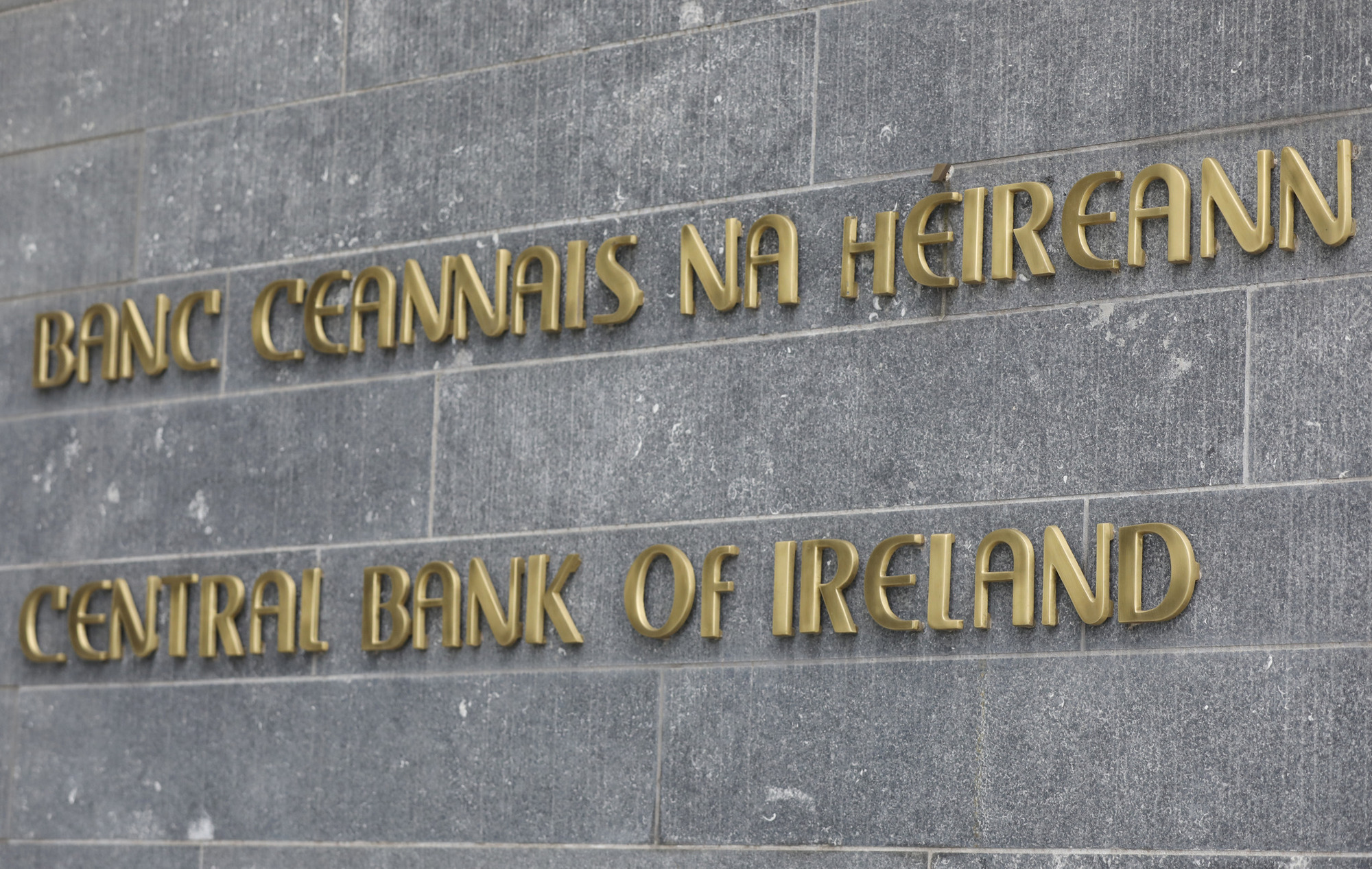
In its latest quarterly report, the Central Bank presents two outcomes that both project substantial risks to a rapid economic recovery.

Total Covid-related unemployment will spike again if the Government were to sanction new temporary restrictions, but the economy is likely to adapt more quickly than was the case under the first lockdown, the Central Bank has said.

The Central Bank's new forecasts were issued yesterday before the Government rejected the advice of its top health official recommending a return to lockdown. 

Many business groups voiced strong opposition to the State returning to level-five restrictions.

In its quarterly report, the Central Bank presents two outcomes that both project substantial risks to a rapid economic recovery. 

Its “severe” outlook includes assumptions that any new Covid-19 economic restrictions won’t be as prolonged as they were in the spring, while the “baseline” projection assumes the UK and the EU will fail to agree on a Brexit deal at the end of the year. 

Under its baseline forecast, it sees the regular measure of unemployment rising to 8% in 2021 from 5.3% this year. At 7.5% in 2022, the Central Bank sees unemployment remaining above is pre-Covid levels.

Its baseline outlook projects a fall in GDP of only 0.4% this year — the smallest economic hit in Europe, as multinational exporters help cushion the fallout. GDP rises 3.4% next year, according to the forecast.

However, reflecting the sharp hit to large parts of the domestic economy, the bank forecasts a 7.6% drop in private consumption this year, among the sharpest declines in Europe.

Under the severe outlook of further short-lived restrictions, the Central Bank projects that unemployment will rise to 12.5% next year 

Mark Cassidy, director of economic statistics, said the Covid-related or higher level of unemployment, which includes people on the pandemic unemployment payment, falls from 12.9% in the fourth quarter to over 11% in the first quarter in 2021.

“There has been a degree of adaptation and learning following the initial experience,” Mr Cassidy said, adding that consumers have increased savings and businesses have opened online services and are better prepared when restrictions are lifted.

Under a temporary and shortlived level five of restrictions, the Central Bank projects a spike in the Covid-19 adjusted jobless rate.

“What we would expect if there was to be a return to level five would be a significant increase, but probably not as high as previously,” Mr Cassidy said.

The Central Bank report noted that at the height of the first lockdown, in April, more than 1.2m people, or 29% of the labour force, were on the pandemic unemployment rate, the wage-support scheme, or on the official unemployment count.

The annual budget deficit reaches €25.5bn this year, or 7.5% of GDP, compared with a small surplus last year, according to the Central Bank fiscal forecasts in its report.

The budget deficit falls back to €18.2bn and €13.8bn in the following two years.

According to the forecasts, overall Government debt builds from over €219bn this year to €235.8bn in 2021, and continues to rise to €248.4bn in 2022.

x

More in this section

The Business Hub

Newsletter

News and analysis on business, money and jobs from Munster and beyond by our expert team of business writers.

Cookie Policy Privacy Policy Brand Safety FAQ Help Contact Us Terms and Conditions

© Examiner Echo Group Limited