Despite rising prices, consumers are buying more fuel at the pump, CSO data shows
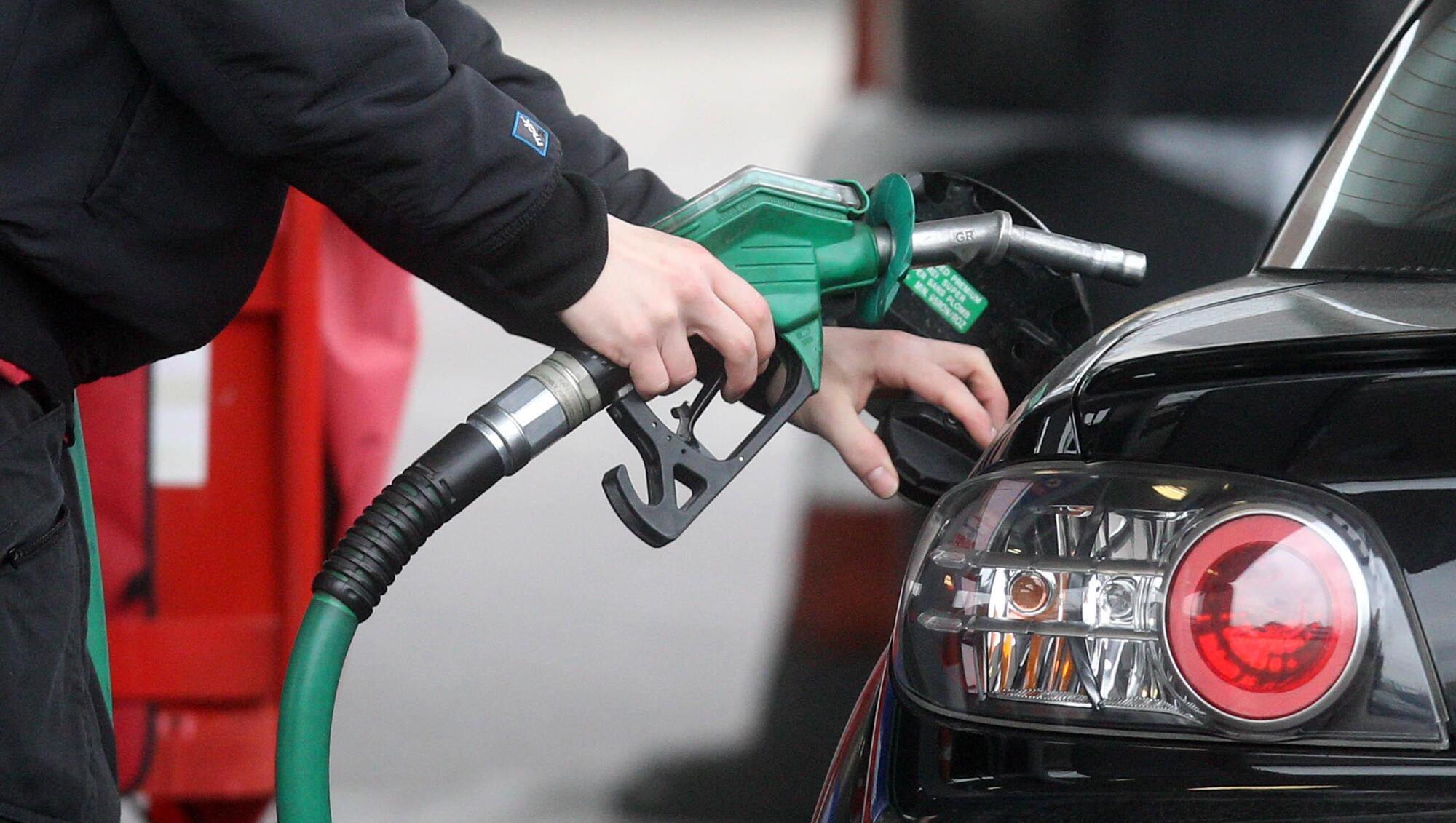
The war between the US and Iran has seen the price of oil surge since late February.
Despite surging prices at the pump, Irish consumers bought marginally more petrol and diesel at the forecourts during September than compared to last year, new data from the Central Statistics Office (CSO) has found.
The latest retail sales index shows that in September, the volume of automotive fuel sold increased by 1.6% year-on-year, while the value of the fuel increased by 11.3% during the same period.
The war between the US and Iran has seen the price of oil surge since late February, however, in recent months prices have increased even further than then they had following the initial outbreak of the war.
Throughout September, the price of Brent crude oil, a global benchmark for oil prices, was over $95 (€85.33) a barrel, and peaked during the month at $108.75. During August, prices peaked at $94.4 per barrel.
The price of oil reaccelerated during October costing over $100 a barrel, and in recent days it has reached over $115 a barrel, which will have a further impact on prices at the pump. The price of motor fuels would be significantly higher at present if it weren’t for the Government cutting excise duties to temper the rising fuel costs.
According to the CSO, the overall volume of retail sales increased by 2.9% in the year to September. Excluding the motor trade, it grew by 2.2% in the year when compared with September 2025.
Retail volume and value sales were both down when compared to August. The volume of sales was down 0.4% month-on-month, while the value of those sales was down 0.1%.
EY Ireland consumer products and retail lead Dermot Daly said the CSO figures provide “some reassurance for retailers heading into the crucial Christmas trading period”.
“Despite a 0.4% dip in volumes in September, retail sales remain 2.9% higher than this time last year, suggesting that consumers have not significantly pulled back on spending,” he said.
“However, resilience should not necessarily be confused with confidence. Households are still managing higher everyday costs and consumers are likely to remain considered about where and how they spend their discretionary income.”
Mr Daly added retailers would face “intense” competition for consumers discretionary spend in the weeks ahead.
“The Christmas trading period will be the real test of whether the resilience we have seen in consumer spending throughout the year translates into stronger festive spending.”
The highest annual volume growth was recorded in the category “other retail sales”, up 4.5%, the motor trade up 4%, and pharmaceuticals, medicinal and cosmetic articles, up 3.8%.
“Other retail sales” encompasses a wide range of items including carpets, rugs, music and video recordings, games and toys, flowers, fertilisers, pet food, jewellery, household fuels, among other items.
The largest annual volume declines were recorded in hardware, paints and glass, down 5.1%, as well as clothing, footwear, and textiles, down 4.1%.
The value of retail sales grew by 4.8% in the year to September.

CONNECT WITH US TODAY



Be the first to know the latest news and updates