Market will work out viability of fixed fares on taxi apps, says transport regulator
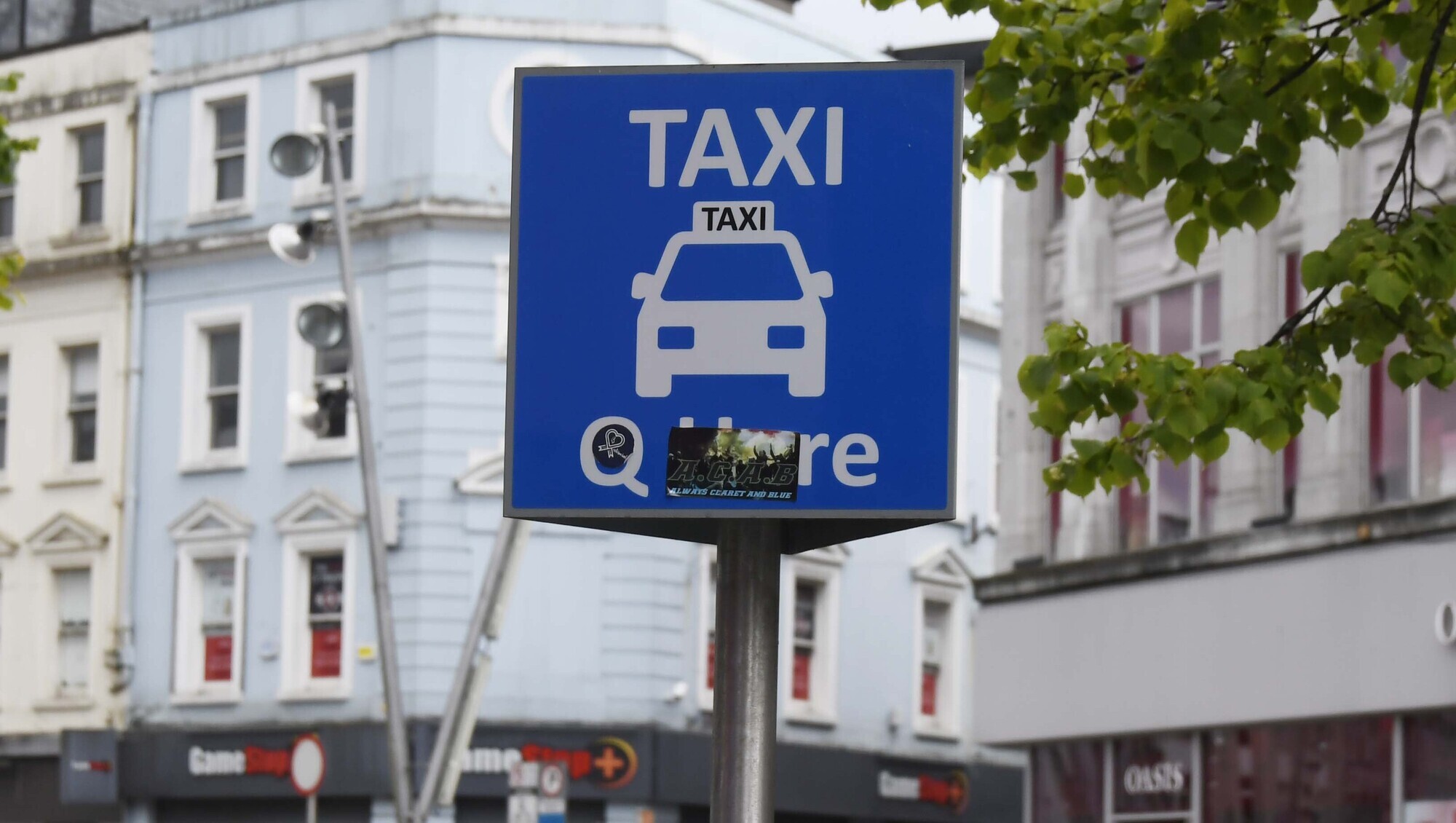
Director of transport regulation at the NTA Kevin O’Brien said that drivers often work for multiple apps and they can move between them depending on the prices being offered. File picture: Denis Minihane
The director of transport regulation at the National Transport Authority (NTA) has said that it is up to the market to work out whether taxi apps can introduce fixed fares or discounts as long as they don’t breach the maximum levels that can be charged to customers.
It comes as new data from the NTA shows that there were 27,891 Small Public Service Vehicle (SPSV) driver licences active as of the end of last year — the highest it has been in a decade. The sector licensed 1,893 new drivers in 2025. SPSVs include taxi, hackney, and limousine services.
Late last year saw protests by taxi drivers against the introduction of a fixed fare system by Uber on drivers using the app. In light of the protests, transport minister Darragh O’Brien wrote to the NTA asking for an assessment of dispatch licensing.
The review is currently in progress and the NTA expect to publish draft regulations in October before enacting in early 2027.
Director of transport regulation at the NTA Kevin O’Brien said they will be looking at the rules in relation to those apps, “and in some places we'll be tightening up things around consumer protection”.
"Our primary view is that it's really clear for the passenger what they are being charged, what they are being offered, and that it fits within this maximum fare regime.”
In relation to the fixed fare systems or ride discounts offered by apps like Uber and FreeNow, Mr O’Brien said under the current framework it is okay for the passenger to be charged less.
"While it's one of the things we will consider in our review, fundamentally we think discounts for passengers are a good thing. It's up to the marketplace between taxi drivers and dispatch operators and the commissions that get paid to each other.
"We're not in that space, so it's up to the market to kind of work out that,” he said.
Mr O’Brien added that drivers often work for multiple apps and they can move between them depending on the prices being offered.
“There's all sorts of market dynamics there where the drivers react to the price they might be offered by the app company, and they can seek business in other ways. So it is a marketplace,” he said.
The NTA data also showed that the majority of taxi drivers last year, 53%, were between the ages of 50 and 69 while a further 23% were aged between 40 and 49. Only 11% were aged between 30 and 39 and just 2% were aged under 29.
In terms of vehicle types, there were 21,170 active taxi, hackney and limousines in the fleet representing a 2.9% increase in fleet numbers compared to 2024. Of those, there are 12,854 taxis and 4,627 wheelchair accessible taxis.
There were 728 hackneys and 154 wheelchair accessible hackneys as well as 2,783 limousines.
In addition, the NTA also conducted a survey of consumers which found that 76% of consumers said it was easy to get a taxi on their most recent journey. The vast majority, 97%, of passengers said they feel safe while waiting at a taxi rank while 89% feel safe hailing a taxi on the street.
There were 1,780 complaints received by the NTA relating to SPSV services last year with 1,008 of them relating to overcharging and other matters relating to fares. Of all complaints, 31% concluded with the SPSV operator being issued with a fine, other sanction or a prosecution.
During 2025, the NTA issued 1,043 fines against taxi drivers for breaching the regulations — up from 904 in 2024. The NTA took 133 prosecutions in 2025, of which nearly half, 47%, related to the operation of an unlicensed service. The NTA was successful in 90% of cases presented.


CONNECT WITH US TODAY



Be the first to know the latest news and updates