Danny O'Gorman: Government should double down on public transport solutions
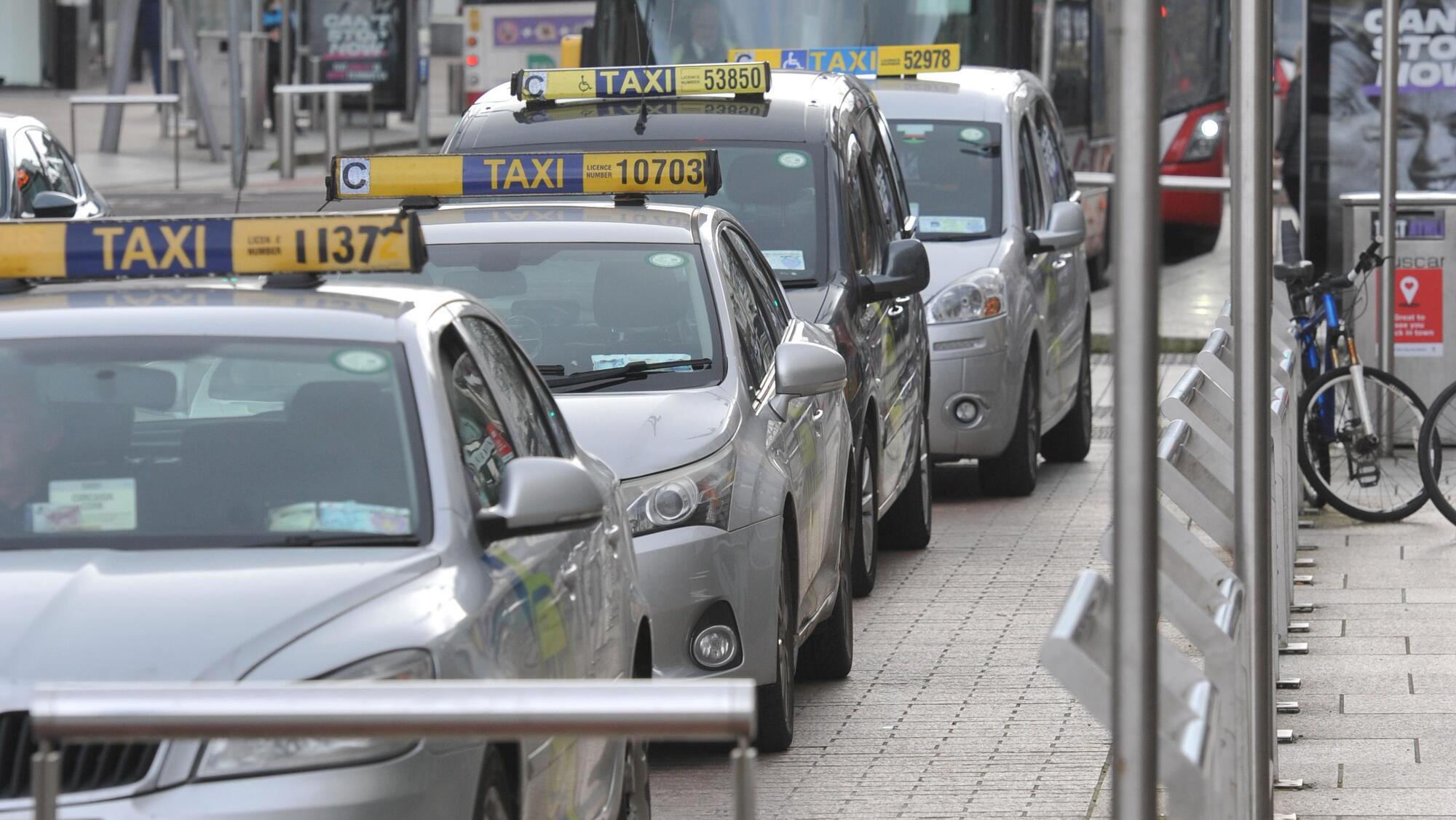
New traffic restrictions in Dublin has had a 'positive knock-on effect' for taxi passengers 'as it means shorter trips and lower fares'.Â
Last August, the new Dublin transport plan came in to effect. The plan restricts private vehicles travelling along the Liffey quays and O’Connell Bridge during the day, with taxis and public transport able to pass freely.
The plan initially received mixed reaction from politicians, industry and the public.Â
However, eight months on it’s hard to argue that it has been anything but a success. The restrictions on private cars allow public transport to operate more efficiently, meaning taxi drivers can complete more journeys and accept more bookings.

This means shorter trips for passengers and lower fares.Â
CLIMATE & SUSTAINABILITY HUB
The plan has not only had an impact on the taxi industry, but Dublin Bus reported increases in reliability and frequency of service, while Dublin Town, which represents 2,500 businesses in the city centre, reported increased footfall.
This successful first phase of the plan should not be the end of our ambitions for public transport infrastructure in Ireland. The Dublin city centre taskforce has recommended that the transport plan be accelerated, a recommendation that the Government has committed to implementing.
It is vital that this plan be taken as the first step in a journey to improve the accessibility, sustainability, and availability of our public transport systems.
Nationally, many other Irish cities, such as Galway, Limerick and Cork, have their own transport strategies.
As these strategies continue to be developed and implemented, it is important that we learn from the success of the Dublin plan and prioritise accessible public transport.
Another recommendation made by the taskforce is to double the number of 24-hour bus routes in Dublin. While this would be welcome, there are 12 24-hour buses in Dublin, compared with only one in Cork, one in Limerick and one planned for Galway.Â
These services need to be increased beyond the capital.
Expanding 24-hour bus services will not only positively impact people needing to get home later in the night and Ireland’s night-time economy, but it would also support the taxi industry. Measures like this would enable licensed taxi drivers to continue delivering their crucial service without creating an over-reliance on taxis alone, particularly in regional areas where public transport is non-existent after a certain time.
Taxis are a key component of Ireland’s public transport system, especially for individuals in parts of the country with underdeveloped bus and train infrastructure.
Taxis also provide a more sustainable alternative to private cars, reducing traffic congestion by keeping private cars off the road and providing passengers with the option to travel via an electric vehicle.
However, support is crucial in order for taxis to continue to assist Ireland’s developing public transport system. It is positive to see the Government continue the wheelchair-accessible vehicle taxi grant and the scrappage scheme to help taxi and hackney drivers replace older vehicles with electric models.
This funding ensures that drivers can provide a fully accessible service, while contributing to Ireland’s green transition. Nonetheless, this year, both grant schemes closed for applications early, due to overwhelming demand. The wheelchair grant, in particular, closed in only 15 minutes, with supply simply not meeting demand.
More funding is urgently needed under both these schemes to ensure that taxi drivers have access to the support they require.
As our cities and towns continue to grow, it is crucial that we adapt to ensure that they grow in a sustainable way that enhances the quality of life for their residents.
Doubling down on transport solutions like the Dublin City transport plan, combined with increased bus and train services, would greatly improve transport infrastructure and encourage greater public transport use throughout the country.
Taxis play a key role in Ireland’s public transport system, but it is vital that adequate support be provided so that they can continue to build on the services they already provide.
- Danny O’Gorman is the general manager at FREENOW Ireland