My Job: Mary Butler on fostering value in Ireland's evolving arts scene

The arts officer for Kilkenny County Council relishes the challenge of overseeing a packed programme of events and bringing art to the community
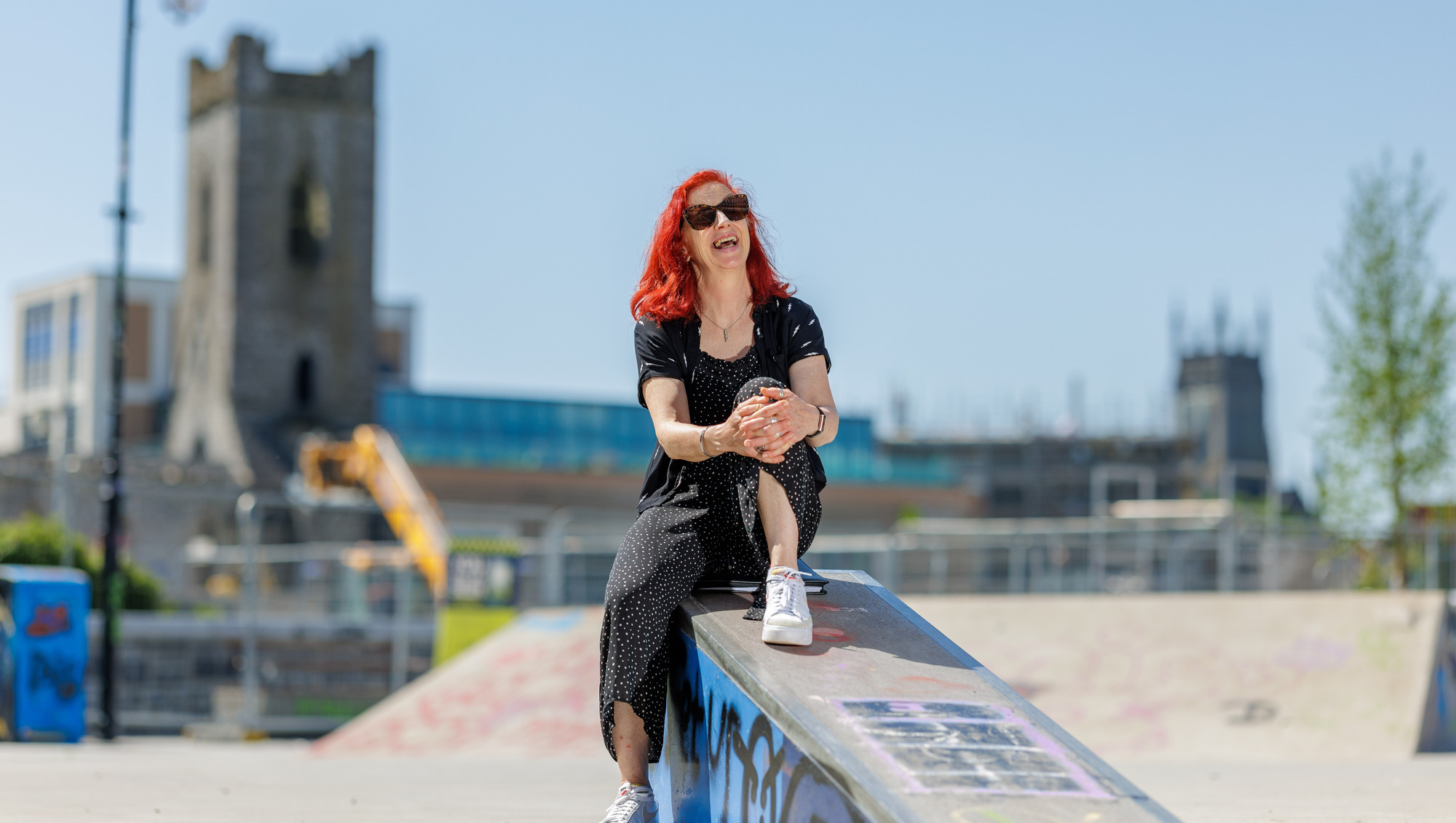
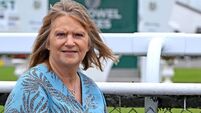
Mary Butler, arts officer, Kilkenny County Council.

Mary Butler, arts officer, Kilkenny County Council.

Name: Mary Butler

Occupation: Arts Officer, Kilkenny County Council

Background: The county’s vision for public arts is to ensure people who live in and visit Kilkenny experience challenging and culturally diverse high-quality public art projects

This is a positive period for the arts in Ireland, according to Mary Butler. 

“There is a growing understanding of the role that artists can play in community development, regeneration, wellbeing and social cohesion. There is also an increasing appreciation of the value of engaging with the arts, both as audience members and as active participants.” 

One of the ongoing key challenges is ensuring the arts are not viewed solely as a tool for delivering wider social outcomes. 

While the contribution of artists to communities and society is significant, we must not lose sight of the intrinsic value of artistic practice itself. Artists should not have to justify their work only through measurable social impact.

Meaningful support for the sector must recognise and value the full breadth of artistic practice, as not all artists work collaboratively or within a socially engaged context. 

“If we want a vibrant and thriving arts sector, we need to support artists in all their diversity. When artists are given the freedom and resources to flourish, society benefits not only from the social outcomes that art can generate, but also from the creativity, critical thinking, imagination, and cultural richness that art brings in its own right.” 

She adds sustaining artistic careers, providing access to appropriate workspaces and ensuring opportunities are available across the country remain ongoing challenges for the sector.

A typical week for Mary Butler involves a substantial amount of time on communication, organising the nuts and bolts of the week, answering and asking questions, planning, scheduling and forecasting. 

“Clearly, that’s the administration and the mechanics of the position, which is a critical element of the job and often where the details are ironed out. I am a big believer in the devil being in the detail. 

"Sometimes, it’s the supposed smallest of elements that can make a good programme a great programme. This is what really energises me, asking the questions, assessing wants and needs — enabling me to design and plan delivery methods to progress existing programmes and to initiate new ones.”

All to Play For is one of five community-rooted projects commissioned by Kilkenny County Council’s Public Art Programme 2024-2027, developed and shot on location in Kilkenny, with All-Ireland medal winners Anne Dalton, Ann Downey, Liam Fennelly and Tommy Malone all featuring prominently. 

Their on-field power, talent and skill and their off-field inspiration as role models is captured in the film, using dance to embody connection, community, drive and determination. 

“These projects ensure the public is not just an audience, but a participant — central to the work itself. Programmes such as All to Play For are critical because they ensure that communities have the opportunity to participate not just as consumers or audience members, but as integral contributors to a project. 

These initiatives place the public at the centre of the work, allowing artists to learn from communities while communities, in turn, engage with and inform the artistic process. Over time, these activities help to build and strengthen communities and can act as catalysts for positive social change.

Having previously worked in the UK, the experience gave her a solid grounding in the arts, and where she completed both her degree and masters in fine art. 

“I worked initially in theatre and the music business, and my last position before I left was managing an arts centre, where I really cut my teeth in working on socially inclusive programmes, managing artists’ studios and curating an exhibition programme and all that goes with that. I got my first experiences of making funding applications and managing an arts building.” 

With the late 1990s and early 2000s a busy time of regeneration programmes in the UK, she gained significant experience working with the arts as a tool for community development, social inclusion, and positive social change. "The arts really are critical to these areas, as they also are for our ongoing climate emergency. Used appropriately, the arts can make complex issues accessible, emotional, relatable.”

Mary readily agrees she has "a dream job" — but one that comes with an attendant level of stress. 

“Of course, it is a job with its share of stress, but what job isn’t if you care deeply about it? The arts can be particularly challenging because the ‘off’ switch is very hard to find. For many, working in the arts is something we believe in personally as well as professionally. 

“At the heart of it all is a desire to support artists, engage communities, and deliver meaningful experiences. I bring a great sense of responsibility to my role, and seeing artists, communities, and projects thrive makes the challenges worthwhile and reminds me why I chose this path in the first place. So yes, the pressures are real, but so too is the sense of purpose that comes with working in a field you genuinely believe in.”

The arts have the power to inspire, challenge, connect and transform, and being able to play a role in that process is a privilege. 

There is enormous satisfaction in seeing an idea develop into a programme, seeing artistic practices progress, and witnessing the impact that creative experiences can have on individuals and communities. 

"I love taking an initial idea and shaping it into something meaningful and achievable, bringing together artists, communities, partners, and resources to create opportunities that might not otherwise exist.” 

Every project presents a different set of circumstances and constraints, with the satisfaction in problem-solving, building relationships, and finding ways to make things happen. 

“Funnily enough, what keeps me motivated is being dissatisfied, there is no fear of complacency once I know more is required and things could always be better.” 

It is an attitude that ties neatly with an early career counsel that continues to sustain her: “The best advice I received is to focus on what you can influence, not what you can’t. It has served me well throughout my life. Essentially, putting your energy into finding solutions rather than dwelling on problems is what moves things forward.”

x

More in this section

The Business Hub

Newsletter

News and analysis on business, money and jobs from Munster and beyond by our expert team of business writers.

Cookie Policy Privacy Policy Brand Safety FAQ Help Contact Us Terms and Conditions

© Examiner Echo Group Limited