Ex-M&S employee awarded €2,000 for unfair dismissal after wife copied and shared discount card
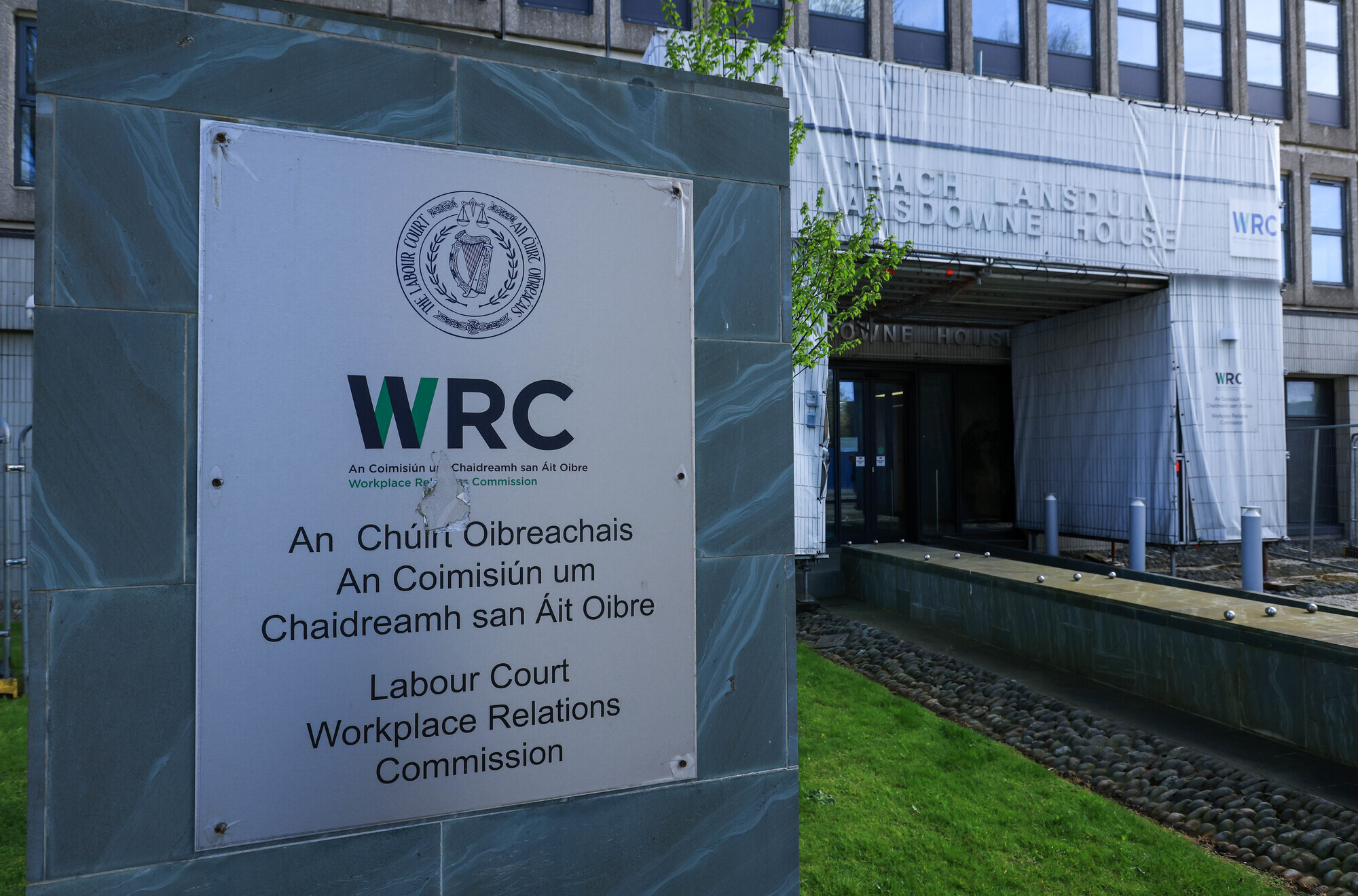
Adjudicating the case, Michael McEntee said Mr Brennan was under oath and swore that he was completely unaware that his partner was giving the discount permission to her circle of acquaintances and family.
A long-time employee of a multinational retail chain whose partner copied his staff discount card and distributed it to a wide circle of friends and family without his knowledge has been awarded €2,000 by the Workplace Relations Commission (WRC) for unfair dismissal.
Mark Brennan worked as a sales advisor for Marks & Spencer for over a decade, beginning in August 2014. In early 2025, an investigation was opened after the retailer's internal audit team found serious anomalies in Mr Brennan's discount card. The company noted that physical cards were no longer available and that a mobile app had replaced them.
The internal audit team found the card had been used 73 times in six weeks across multiple locations, often simultaneously, with only one transaction linked to Mr Brennan personally.
Mr Brennan said he immediately stopped his partner from using the card once the company became aware of the abuse, and volunteered to reimburse the company for the €464.39 in financial losses incurred.
Representing the former M&S employee, Eoin Coates of trade union Mandate pointed out anomalies in the company's colleague discount policy, particularly on what "abuse" of the card actually meant.
The policy referred to “deliberate or careless misuse” by an employee. Mr Coates argued that this did not happen as Mr Brennan was completely unaware of the abuse until it was brought to his attention by the company's oversight authorities. He also argued that M&S's investigation report was seriously flawed.
Mr Brennan stated that it was his now ex-partner who had abused the discount policy, and he could only be disciplined for being careless with his tablet computer, which his former wife used to access the discount card.
Following an investigation by the company, the sales advisor was dismissed by the store manager. This was appealed to a senior store manager, which was later rejected.
Represented by Judy McNamara of Ibec, M&S said its discount card policy was extensively published to staff, and that there could be no doubt that Mr Brennan was completely familiar with the terms of its anti-abuse elements. M&S said it was a major employee benefit which had to be vigorously safeguarded, with dismissal being the "only option."
Adjudicating the case, Michael McEntee said Mr Brennan was under oath and swore that he was completely unaware that his partner was giving the discount permission to her circle of acquaintances and family.
"There was a question of personal trust between the couple that had been seriously undermined," Mr McEntee said.
"The complainant admitted he had been careless with the tablet computer that had allowed his partner IT access. However, they were a couple living as man and wife with children. Carelessness in this context was not a disciplinary breach that warranted losing his job, particularly when other serious sanctions could have been applied."
Ruling that dismissal was an excessive penalty, the adjudicator awarded Mr Brennan €4,000, but reduced it by 50% in lieu of his contribution to the dismissal. Mr McEntee also stated Mr Brennan was able to secure comparable employment with a competitor retail chain shortly after his dismissal.
CONNECT WITH US TODAY



Be the first to know the latest news and updates