Shein set for Hong Kong IPO after Chinese regulator approval
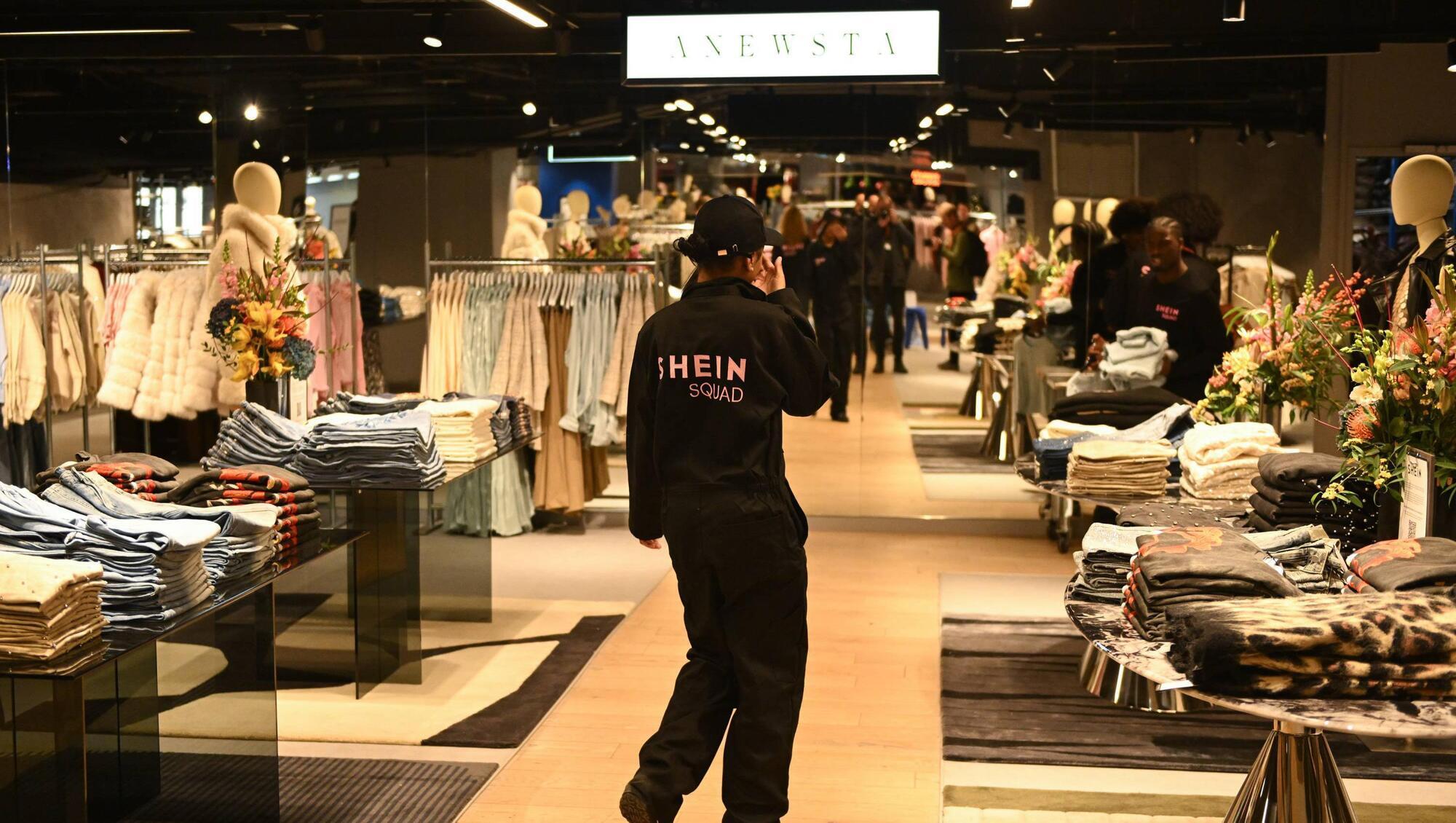
An employee inside Shein's retail store at the BHV department store in Paris. The fast-fashion retailer is likely to aim for its Hong Kong initial public offering in September or October. Picture: Bloomberg
Fast-fashion retailer Shein is likely to aim for its Hong Kong initial public offering in September or October, said a source familiar with the situation, after the company won approval from the Chinese securities regulator on Friday.
Shein has indicated it could sell up to 8% of its shares but the final level is likely to be lower, the source said. With a possible IPO valuation of $40bn (€35bn) to $50bn (€43bn), the amount raised would be in the low single digits.
Shein was valued at $100bn in a 2022 fundraising, but the company will compensate investors for the decline in valuation by giving them money to buy shares in the offering, the source added.
Read More
Shein has been pushing to go public over the past three years. The e-commerce behemoth, which sells in around 150 countries, first filed for a US IPO in November 2023, but ran into growing resistance from lawmakers and regulators. After the US filing stalled, Shein turned to London, where Britain's Financial Conduct Authority approved a draft prospectus, but China's CSRC withheld its approval, effectively blocking the listing.
Shein would be the highest-profile retailer to list in years, at a time when many consumer brands have delayed initial public offerings due to weak sentiment and spending among lower- to middle-income shoppers.
The online retailer, founded by secretive Chinese-born entrepreneur Sky Xu in 2012, has waited a year for the green light from Beijing for its IPO, which had to be cleared by the highest levels of the ruling Chinese Communist Party, according to a source with direct knowledge of the matter.
Beijing views Shein as politically sensitive and has been wary of the company causing it further embarrassment after a sex doll scandal in France and reports of poor labour practices at its supplier factories in China, the source said.
Shein filed confidentially for its Hong Kong IPO, and the filing documents had still not been made public on Friday. But now that it has approval, the online retailer can start organising investor roadshows and prepare for the hearing with the Hong Kong stock exchange which all IPO candidates have to pass before the shares are listed.
Shein's backers include private equity firms General Atlantic, HSG previously known as Sequoia Capital China, Mubadala Investment, Brookfield, and Claure Group.
A spokesperson for Shein declined to comment.
In 2022, Shein was valued at as much as $100bn, although investors then adjusted their numbers as a pandemic-era e-commerce boom fizzled out and opposition from politicians, retailers and regulators intensified.
Shein's last private fundraising round in May 2023 valued it at $66bn. Shein could now be aiming for a valuation of $40bn to $50bn in its IPO.
That would make it far smaller than its main rival Temu's parent company PDD Holdings, which has a $117bn market capitalisation, but double the size of fast-fashion retailer H&M, which is worth around $24bn and has lost market share to Shein.
Founded in Nanjing, China, Shein has been caught in the middle as relations between the US and China soured and trade became increasingly politicised, with its business criticised in many countries for selling Chinese goods at rock-bottom prices and undercutting domestic retailers and manufacturers.
Shein was criticised by competitors, regulators and non-governmental organisations for issues including its addictive app, poor working conditions in factories, and high emissions from sending cheap polyester clothes across the world by air cargo.
Its business model — buying clothes in China and sending them direct to the doorsteps of shoppers — has been challenged recently by US and European efforts to close customs loopholes and apply duties to cheap parcels.
Shein has also been fined more than €200 million by French regulators over its use of consumer data and misleading discounts. The European Commission opened a formal investigation into the platform in February over the sale of illegal products.
CONNECT WITH US TODAY



Be the first to know the latest news and updates