Sustainable aviation not priority for aircraft leasing industry
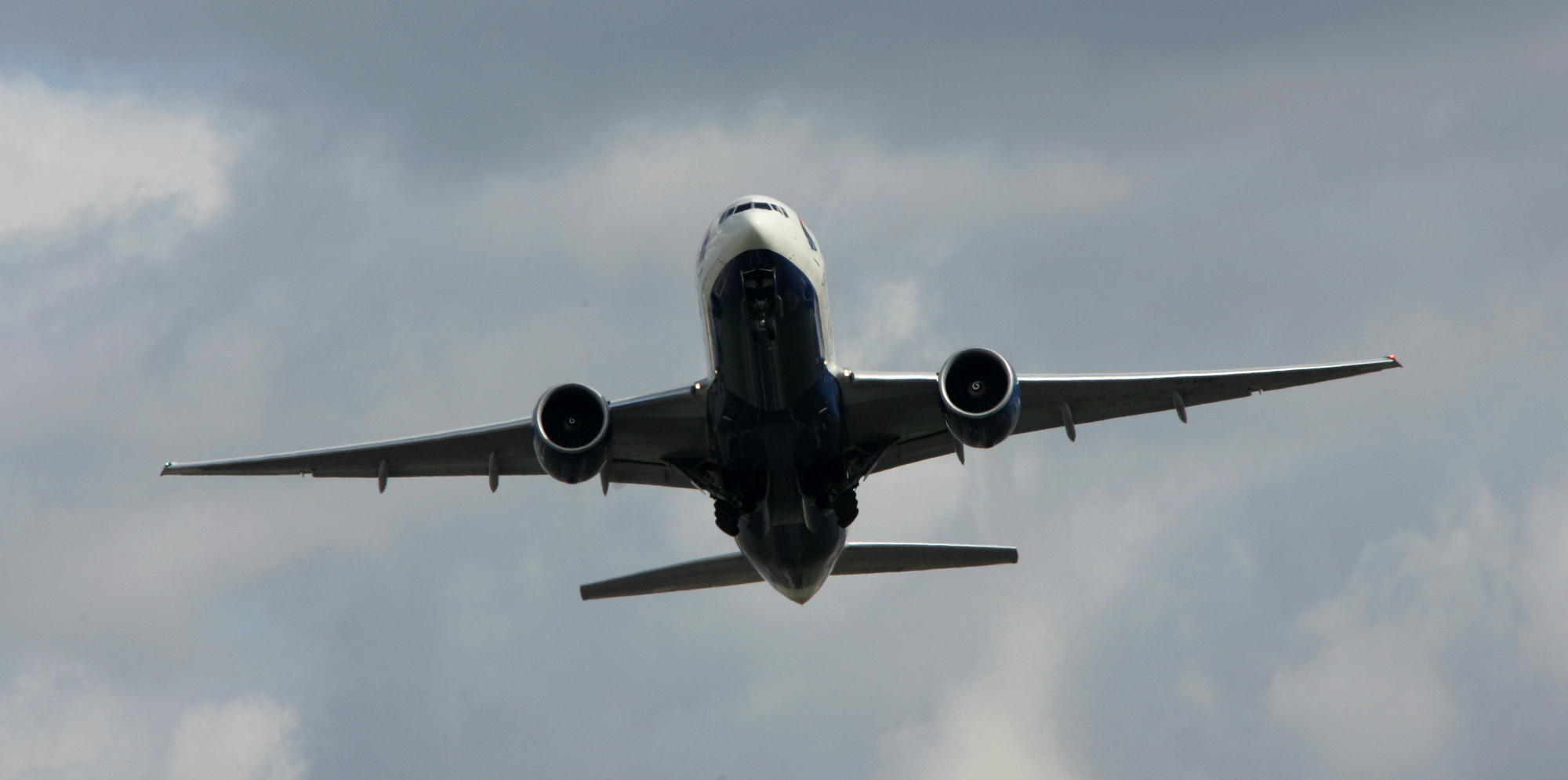
Most executives working in the Irish aircraft leasing industry say zero and low-emission aircraft is not part of their current strategy, a new report said.
Most executives working in the Irish aircraft leasing industry say zero and low-emission aircraft is not part of their current strategy, a new report said.
Deloitte Ireland’s 2026 Aviation Finance Leaders Survey sought the views of senior executives across Ireland’s aircraft leasing industry, with 19 of the world’s top 20 aircraft lessors operating in Ireland, and Irish-based firms managing approximately 60% of the global leased fleet.
Read More
The industry is predicting airline defaults and restructurings to rise over the next two years amid continuing fuel price volatility, geopolitical tensions, and strained carrier balance sheets. But despite the fuel challenges, the survey highlights how the aviation leasing sector is still not well advanced in the transition to lower-emission aviation. None of the respondents saw environmental compliance and sustainability mandates as "a major challenge" and 55% of executives said zero and low-emission aircraft were in their current strategy. Just over one in three (36%) say it is but in 10 or more years, while only 5% said in five years.
Half are monitoring ways to address the transition to sustainable aviation fuel (SAF) and low-or zero-emission aircraft but have no active plans yet. The report found only 9% of executives said they plan to invest in sustainable aviation fuel or helicopter-related opportunities over the next three years.
“While the Government’s Sustainable Aviation Fuel Policy Roadmap is a positive start, the sector needs to be supported both in terms of production and uptake of SAF," said Deloitte partner Ron Doyle, who has advised in the industry for almost two decades.

"We believe that adoption of SAF can be improved through further incentivisation of SAF training and education, some of which we see in Irish universities and indeed Irish lessors already. A more easily accessible R&D tax credit would also encourage investment in SAF technologies and ultimately enhanced SAF production.
“Given SAF supply chains are immature, and the economics are challenging at present, the current fuel crisis reinforces why the long-term case for alternative fuels is becoming harder to ignore.”
The industry is predicting airline defaults and restructurings to rise over the next two years amid continuing fuel price volatility, geopolitical tensions, and strained carrier balance sheets, a new report warns. All respondents expressed concern that airline defaults or restructuring is likely in the next 12 to 24 months.
Nevertheless, 68% of the respondents are more optimistic about the financial prospects of the company compared to a year ago, while 27% said they are a little more pessimistic. None said a lot more pessimistic.
David McCaffrey, aviation finance and leasing services lead for Deloitte Ireland, said the Irish leasing sector has proven its resilience over the years. “From events such as the Covid-19 pandemic to supply chain constraints, aircrafts stranded following the Russian invasion of Ukraine and now the situation in the Middle East driving jet fuel price volatility, the industry has repeatedly faced major external shocks and continues to adapt. That resilience is reflected in the high optimism levels in our survey, even as geopolitical risk intensifies.”

CONNECT WITH US TODAY



Be the first to know the latest news and updates