Irish banking shake-up: Monzo launches as PTSB deal signals new competition for traditional banks
Changes in the Irish banking sector come as a number of changes are taking place across the rest of Europe which could force many of them to adapt to new systems and initiatives
The banking sector in Ireland saw a sizable shake-up this week with a pair of announcements which will see two new entrants into a pretty concentrated market including an agreed sale of PTSB to Austrian banking group BAWAG as well as the launch of Monzo, a leading UK digital bank.
The sector has been starved of actual competition in recent years. The departure of KBC and Ulster Bank in 2023 reduced the number of traditional banks for customers down to three but with PTSB significantly smaller than its two main competitors Bank of Ireland and AIB.
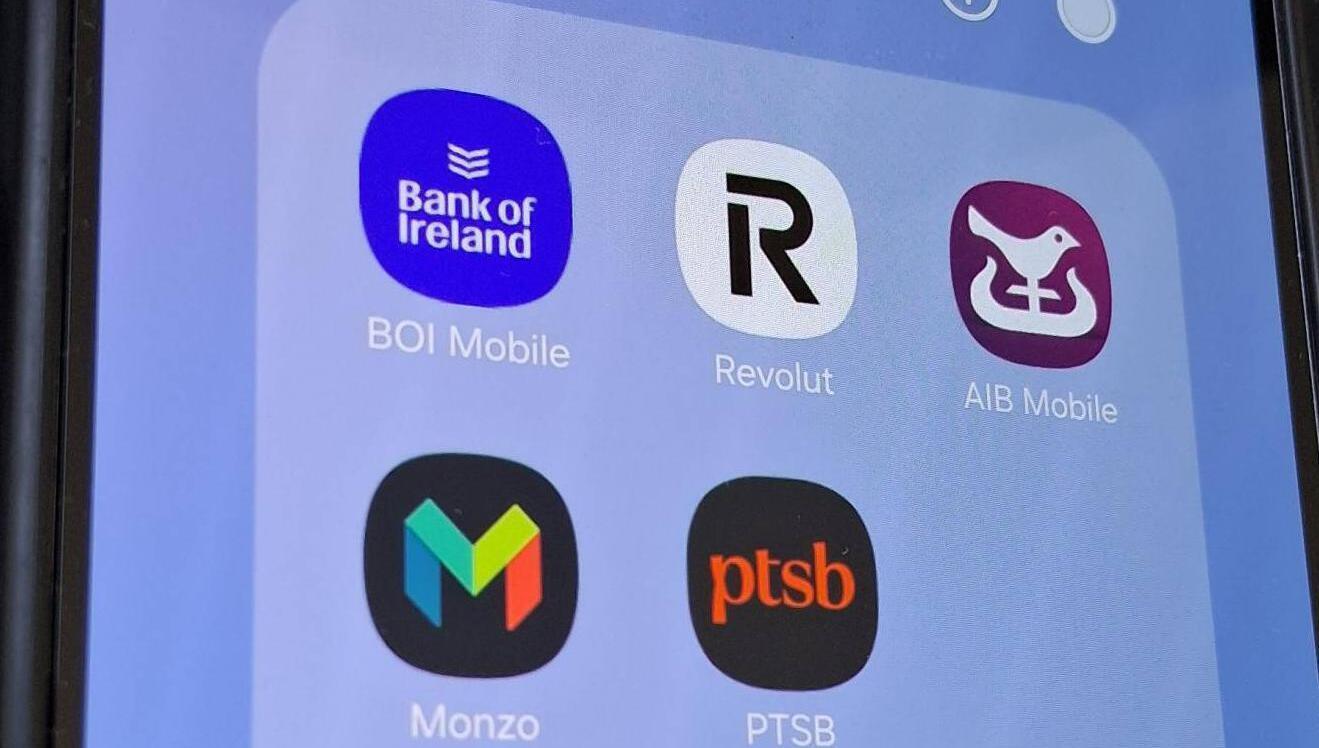
All while this was going on digital banking became more of an option for customers with Revolut gaining market share across the country offering features to customers that the traditional banks were not. The popularity of the features has enabled Revolut to utterly dominate this space in Ireland reporting 3.3m customers as of the end of 2025 - an increase of 10% year-on-year.
Read More
In addition, when it comes to lending, credit unions are also becoming more of an option for people. According to the Irish League of Credit Unions (ILCU), the value of their member unions mortgage loan book increased by 26% during 2025 to €754m.
When all other credit unions are included this reaches €992m. On top of that, ILCU members total loan book value now stands at €6.54bn - an all time high.
For a long time, the remaining banks seemed happy to cede the digital banking sector to upstarts like Revolut. Initiatives such as the Sepa instant payments were only finally introduced late last year just prior to the mandatory deadline of October 9.
Attempts to create a digital offering similar to Revolut, through a joint venture called Synch Payments, failed to get off the ground and it wasn’t until last month did they eventually released Zippay - an in-app service offered through customers’ existing apps which allowed customers to be able to send, request, and split payments instantaneously by using the mobile number of their contacts who are also using the service.
These options have been available through digital banks like Revolut and Monzo through the years.
Now that Monzo has entered the market, the pillar banks have yet another competitor to worry about when it comes to day to day banking.
Speaking to the Irish Examiner chief executive of Monzo’s European operations Michael Carney said prior to their launch earlier this week they had 100,000 people on their waitlist to open an account which shows to him there is a “gap in the market for a new bank”.

At the start, Monzo offered free personal and business bank accounts as well as the ability to set up joint accounts as well as kids accounts. This might entice a few customers who are sick of the fees that the pillar banks charge for their services. Bank of Ireland and AIB charge personal current accounts €6 a month while PTSB charges €8 a month.
“When we were doing our research, the number one thing we heard from users was they wanted free everyday banking. So we’re bringing that to the market,” Mr Carney said.
Monzo is also offering savings accounts as well as money management features. While other banks offer similar online saving options, features that allow people get a better handle on their finances are not.
“A lot of the features that you would have in a money management app are actually inbuilt and native to Monzo, things like pots for sorting your money. We have a salary sorter, so as your money comes in, you can automatically allocate it to various different savings that you want to put in other accounts, etc,” Mr Carney said.
Monzo has 15m personal account customers in the UK and 800,000 business customers.
Its launch into Ireland is its expansion into Europe. The company is basing its European headquarters in Dublin. In December it had 35 employees with plans to double that.
Mr Carney said they chose Ireland because the country has “who really want to adopt digital banking but have limited choice in the digital banking space” and “we’ve got a tech savvy user base”.
He said the trend is “only going one way” and that is people “want more digital banking”.
“I do think that what we do is we offer a differentiated experience. So it’s the app experience, it’s the support experience,” he said.
Mr Carney said that their strength over the rest of the banking industry is that they own all their own tech and their engineering team can make improvements or updates quickly - all of which is “challenging for a traditional bank to try and replicate”.
“The question is, can the digital banks grow fast enough while the traditional banks try and evolve to be able to compete on the digital offering which everyone wants? I think that’s the big sort of competitive environment that’s playing out.
“I believe that the digital banks are sort of structurally designed so that they can deliver a differentiated experience that would be very hard to replicate from a traditional banks perspective.” Mr Carney said the goal of Monzo is to become the finance app that gives customers a “sense of control and removes that anxiety for you when you can actually see what your financial position is and where the outgoings are and what’s coming up”.
“We don’t need to on day one have people bring their salaries, but what we want is to build a relationship with people so that we can solve more of their needs and that’s ultimately the longer term play,” he said.
The other development from the week, BAWAG’s acquisition of PTSB, does bring with it the promise of new investment. It said it has plans to modernise the current PTSB branches which are moving more away from transactional banking to a more advisory focus across their branch network.
The acquisition of PTSB puts an end to the financial crisis era of the Irish banking sector but BAWAG faces a difficult task. PTSB is the smallest of the three traditional banks in Ireland and its digital offering is still behind other competitors in that space.
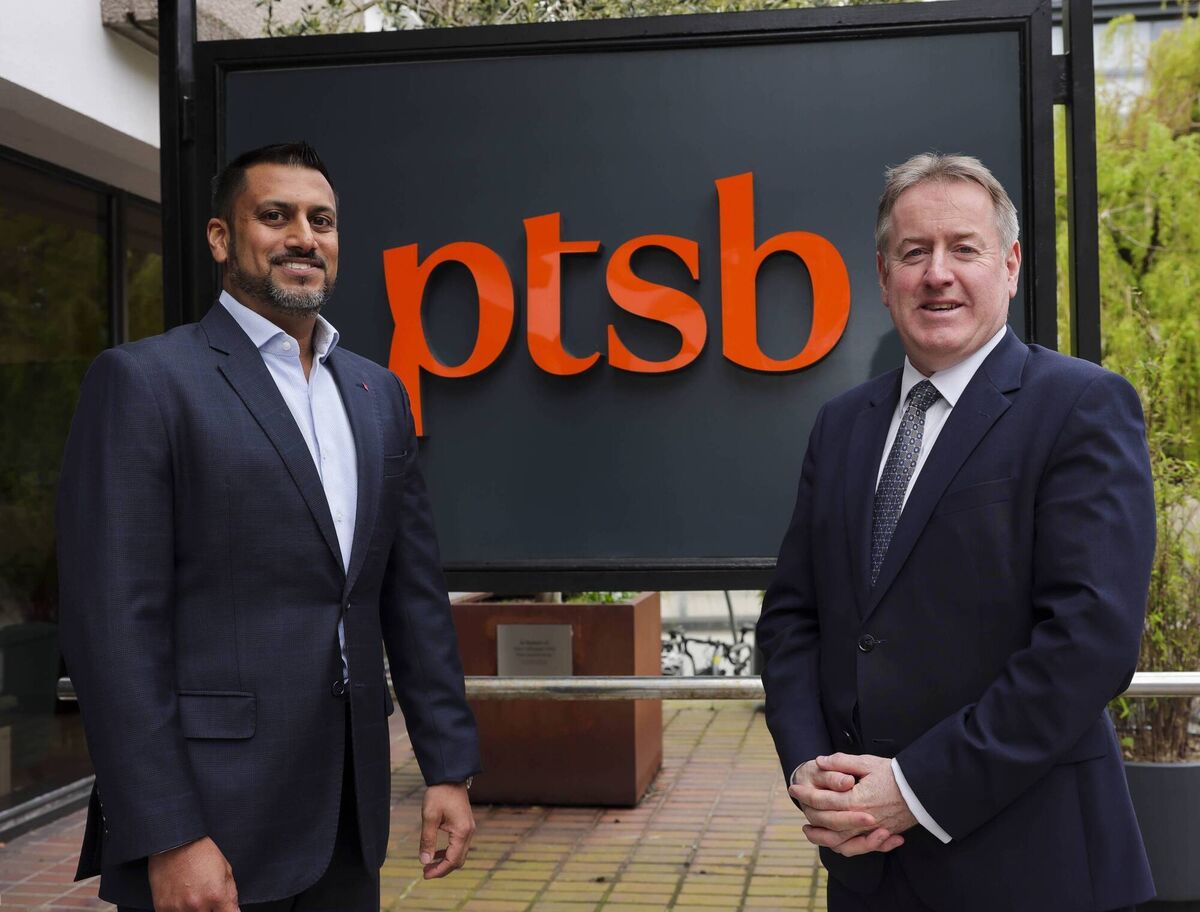
What BAWAG has in mind for PTSB is yet to be seen but it will have to bring with it some innovations or else it risks being stuck in the same position the bank has occupied for years now.
The BAWAG Group does bring with it considerable resources to help PTSB improve its share of the market if it chooses to deploy them. The wider BAWAG Group operates in seven markets, serving more than four million customers and during 2025, it generated just under €860m in profit.
With PTSB costing the company just €1.6bn, it has ample room to invest in the bank over the long term as it is promised.
These changes in the Irish banking sector come as a number of changes are taking place across the rest of Europe which could force many of them to adapt to new systems and initiatives.

Some of these moves include the European Central Bank’s moves to implement the digital euro as well as moves across the EU to bring forth payment alternatives to the US firms Visa, Mastercard, as well as Apple Pay and Google Pay.
The ECB’s digital euro would allow for an electronic means of payment which would be free for anyone to use like the way cash is used. The digital euro would be stored in an account set up with your bank or with a public intermediary and users would be able to pay in digital euro either online or offline, with their phone or a card.
Using digital euro, when it is rolled out, would eliminate the need for payment processors such as Visa and Mastercard and as a result will allow businesses to keep more money and not have to provide a cut to these corporations.
The ECB is aiming for the first potential digital euro to be issued during 2029.
The European Payments Initiative (EPI), which was founded in 2020 and has 45 member companies which include banks, payment providers, as well as fintech firms. Notably, none of Ireland’s pillar banks are members of the EPI but Revolut is.
The initiative has developed Wero, which launched in 2024, to serve as an alternative to Visa and Mastercard. Its chief executive Martina Weimert said last month that there has been a sense of urgency about reducing European dependence on US firms amid concerns that the Donald Trump administration could cut Europe off from its financial systems.
Wero is used for peer-to-peer transfers and e-commerce payments. However, it faces an uphill battle against Visa and Mastercard as they account for two-thirds of euro area card transactions, according to the ECB.
Wero is now available to customers in Belgium, France and Germany and its number of users has risen to 52.5m in September last year. EPI plans to expand to Luxembourg and the Netherlands in the next year.
However, it is not available in Ireland and given how slow the pillar banks are to roll out new digital features to their customers, it may not happen.
Maybe, BAWAG’s and Monzo’s introduction into the Irish market might encourage the traditional banks to move more with the times but if not, moves across the rest of Europe just might force them to just like what they did with Sepa instant payments.
CONNECT WITH US TODAY



Be the first to know the latest news and updates