Ciara Griffin: Green wave splashes west with a sense of something building
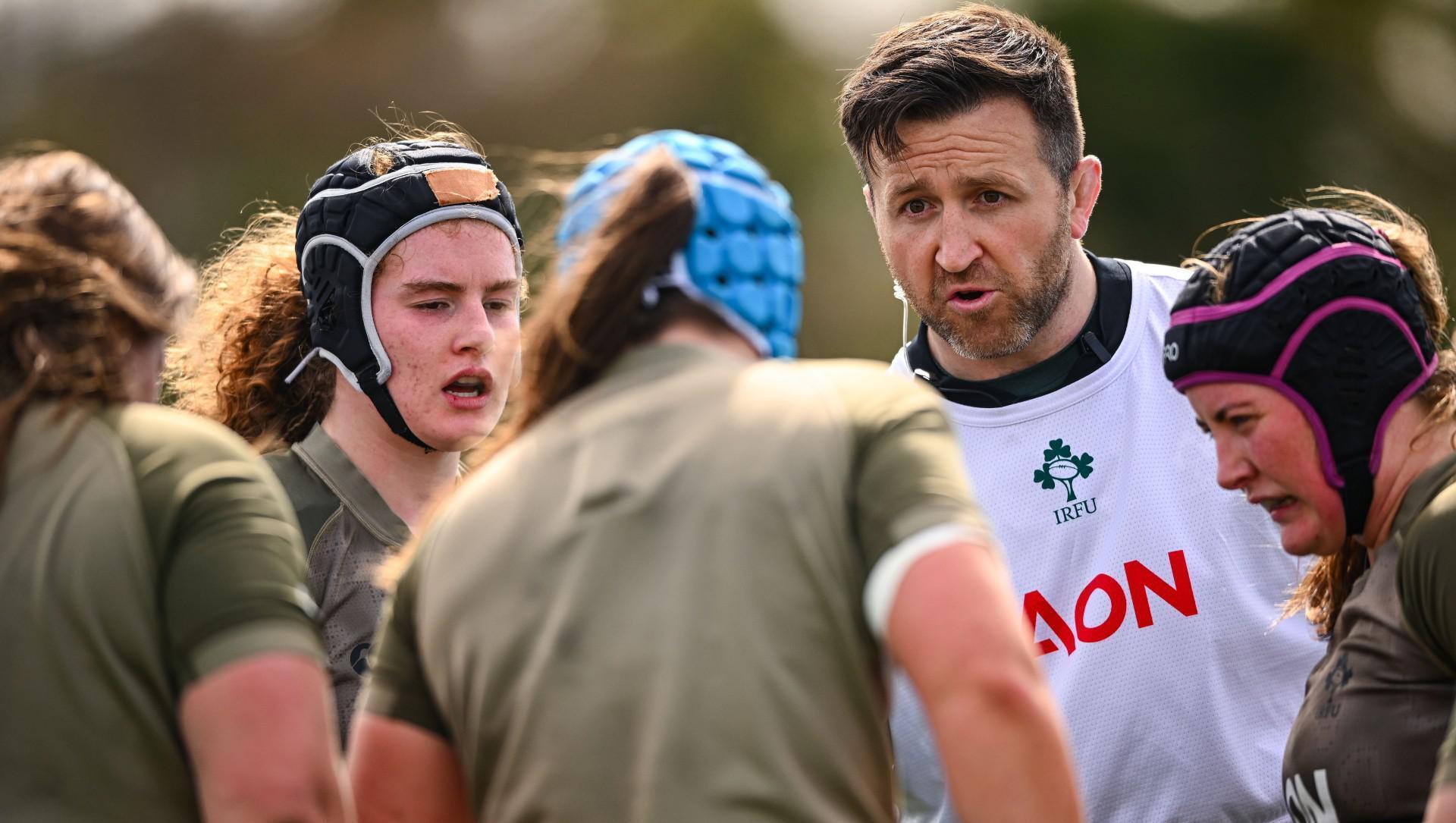
FIXING IT: Forwards coach Alan O'Connor, centre, speaks to players during an Ireland Women's Rugby squad training session at the IRFU High Performance Centre in Dublin. Photo by Shauna Clinton/Sportsfile
Ireland’s women head west today into new territory, and perhaps a defining moment, as they make their first appearance at Dexcom Stadium with over 8,000 tickets sold.
There is a sense that something is building around this group, not just because of the venue, but because of what precedes the main event. For the first time, a double-header on the international stage sees the Ireland U21s take on Italy as a curtain-raiser, a symbolic nod to a growing pathway and a programme intent on aligning its future with its present.
Last weekend’s encounter with the Red Roses offered both encouragement and a lingering frustration. Holding the world champions to 33 points while crossing for two tries, a feat not achieved since 2015, speaks to tangible progress. Yet beneath that lies a quieter narrative: England were not entirely comfortable. There were moments when they looked, if not vulnerable, then at least unsettled. For Ireland, that will sting as much as it inspires, a sense of opportunity left on the table.
Attention now shifts to Italy, and with it, a chance for refinement. The raw numbers from the opening round tell a story Ireland will be keen to rewrite. Too often, their attack drifted laterally, a backline sliding sideways rather than punching holes, compressing their own space and easing the defensive burden. It is no coincidence that this approach fed into sluggish ruck ball, 41% of rucks taking between four and six seconds, with a further 3% exceeding that. At this level, that is an invitation for any defence to reset, reorganise, and strike back.
The consequence was stark: 94 carries yielded just 250 metres. Effort without incision.
The fix, however, is not complex, it is clinical. Ireland must rediscover directness. Punchline carries over the gain line, supported by effective latch work, can transform momentum. Just as crucial is the transition after contact; clearing threats, ensuring quick presentation, and delivering clean ball “on a plate” for the scrum-half.
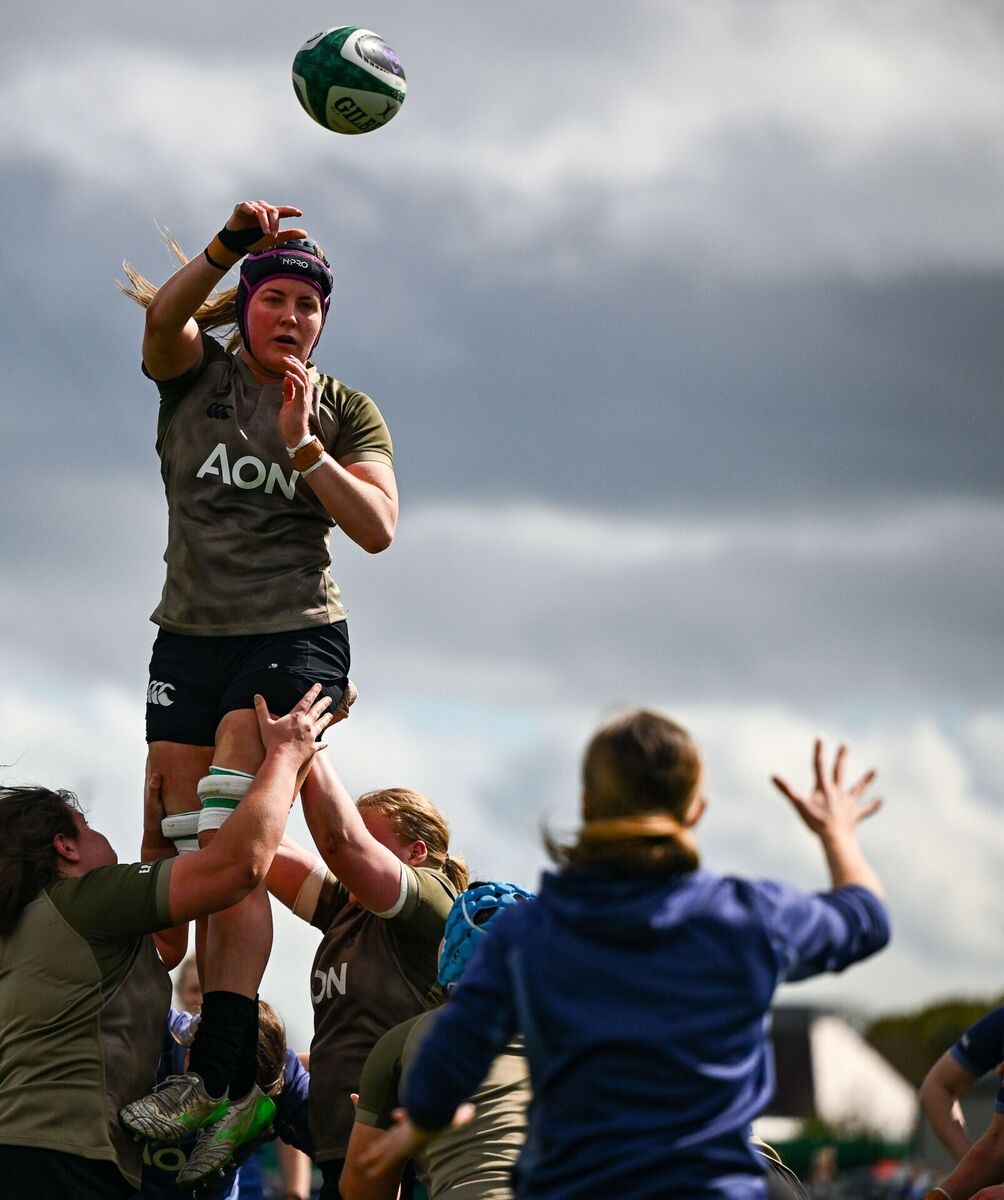
Tempo is everything. Quick ruck speed doesn’t just advance territory, it fractures defensive shape, forces decisions, and creates the kind of chaos in which attacking sides thrive. If Ireland can reduce their unforced errors and sharpen that directness, they will pose a far more credible and consistent threat.
Italy will not make that easy. They are notably robust around the fringes, particularly close to the ruck, where their defensive discipline is a cornerstone. Ireland’s approach, therefore, must be layered, two or three tight, direct carries to draw in defenders before shifting the point of attack. Width, used wisely, can stretch the Azzurri and force them into scramble defence, where cracks are more likely to appear. Crucially, that width must be complemented by renewed directness on the edges, a balance between ambition and pragmatism.
Discipline will also be under the microscope. Conceding 13 penalties last time out is a figure that simply cannot be carried forward. At this level, it hands opponents both territory and belief, the very foothold Italy will be eager to grasp. Tightening that aspect of the game is as important as any attacking adjustment.
There are, however, genuine positives Ireland can lean on. Their maul structure showed real promise against England, generating strong momentum and consistent gain line success, an area that can be weaponised further. Just as impressively, they disrupted one of the best in the business, forcing England to lose two of their own attacking mauls, no small feat against a side so proficient in that facet.
Defensively, too, there were signs of a team willing to graft. Ireland’s work at the breakdown yielded five turnovers while also slowing England’s attacking ball, blunting phases before they could gather pace. It is that blend of resilience and opportunism that will be required again.
There is enough evidence to suggest Ireland are close, closer than results alone might indicate. But at this level, proximity is meaningless without precision. Against Italy, the opportunity is there not just to win, but to evolve.