Land-zoning issues to become next 'crisis' for wind energy projects
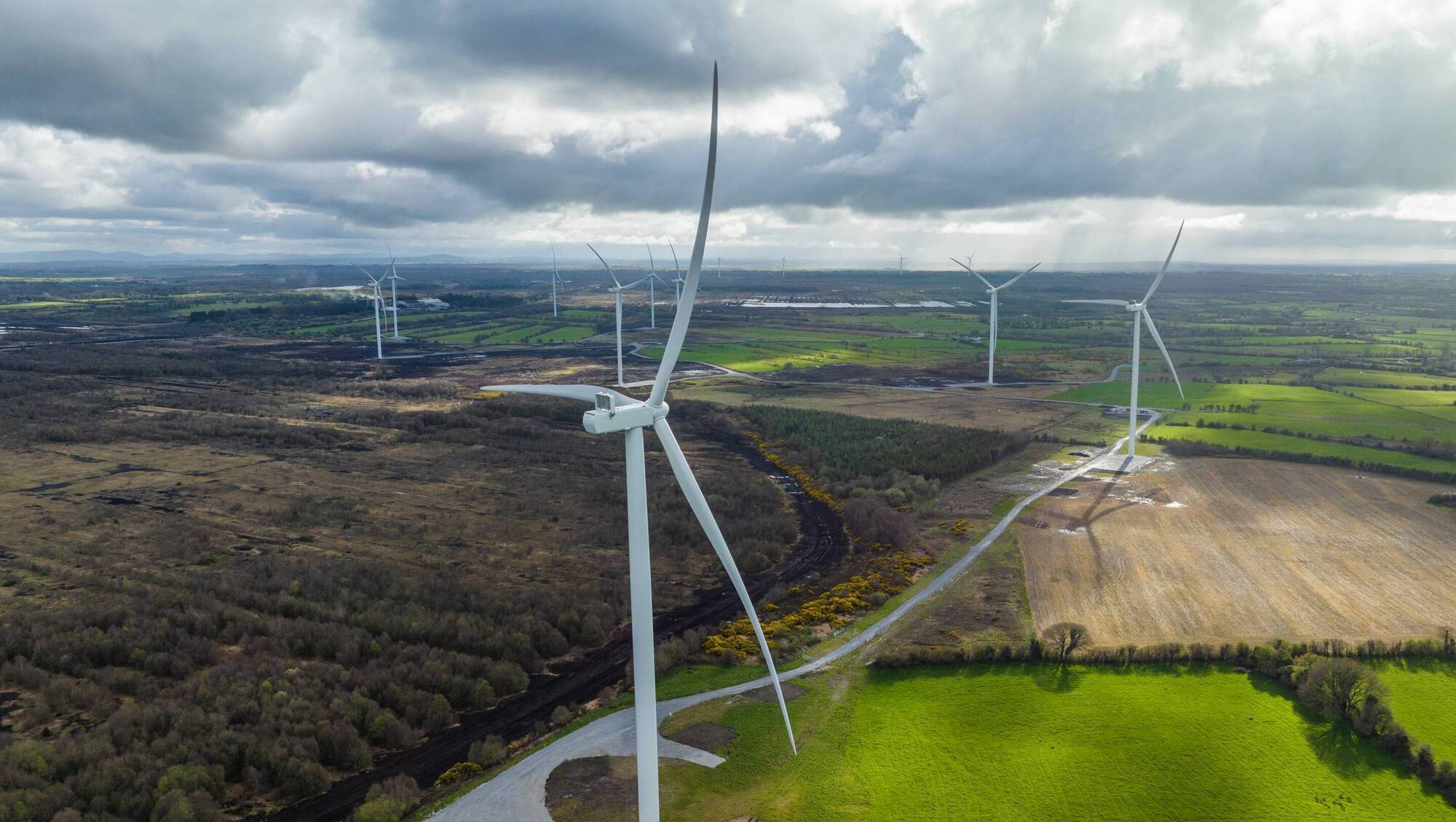
Statkraft Ireland plans for a site designated for wind energy development were refused as ‘the area was re-zoned due to local political pressure'. Picture: File
Local councillors have allegedly been de-zoning areas previously designated for onshore renewable energy development, leading to planning refusal for some developers looking to get projects off the ground in certain areas.
“There’s a crisis coming where the county councils haven’t zoned enough land,” said Statkraft Ireland vice-president for wind and solar development Donal O’Sullivan.
Statkraft Ireland, part of The Statkraft Group, a state-owned energy company from Norway and Europe’s largest generator of renewable energy, submitted plans for an onshore project on a designated site for wind energy development but Mr O’Sullivan said the application was eventually refused as “the area was re-zoned due to local political pressure”.
The de-zoning of areas previously designated for renewable energy development has deepened the industry’s issues over planning problems.
“At the end of June there were 30 projects totalling more than 1.7 gigawatts (GW) in front of An Bord Pleanála waiting for a decision on wind development,” said Mr O’Sullivan.

He estimates that a third of these projects are likely to have their planning applications refused, even after developers “invested heavily in sites that were originally favourable to onshore wind” but which were retrospectively de-zoned for renewable energy development.
It emerged in the earlier this week that An Bord Pleanála had rejected a planning application by Coolglass Windfarm Limited to erect 13 wind turbines measuring 180 metres in height, between The Swan, Wolfhill, Luggacurren, Fossey and Timahoe.
Coolglass Wind Farm Limited is a subsidiary of Statkraft Ireland.
Junior minister for foreign affairs Seán Fleming reportedly reacted to An Bord Pleanála’s decision by urging the developers “to pack up their bags, go away, and not contest this decision or reapply”.
Meanwhile, the contentious planning process continues to beleaguer progress in the renewable energy sector as the focus has shifted onto housing development in the run-up to a looming general election.
Statkraft said it was among firms contacted by the planning body, which said it is now prioritising residential housing planning applications in its extensive backlog.
Prioritising housing above other developments is likely to create even longer waiting times for pending applications and pose greater financial risk for investors.
Separately, in a piece for the , Lisa Foley, principal consultant at research group Cornwall Insight, also said there is a growing concern in terms of the expiration of planning permission for 854 megawatt hours (MWh) of existing operational wind farms.
It has been proposed that planning permission extensions are granted so as not to exacerbate an already overburdened planning system and to ensure operational windfarms are not forced to decommission, she said.
This may further drive down the number of participants in State-run renewable energy auctions and subsequently extinguish hopes that Ireland will achieve its 2030 climate targets on time.
Under the Climate Action Plan and subsequent Cap 24, the Government set an ambitious target of having an 80% share of electricity generation supplied by renewable sources by 2030.
However, Mr O’Sullivan said this is likely to happen closer to around 2035.
The arduous planning and grid connection process is also leading to fewer projects entering the auctions.
In the latest Renewable Electricity Support Scheme (Ress4), the Government initially targeted between 2.5 terawatt hours (TWh) and 4.5 TWh with this auction but Mr O’Sullivan said that it has since revised down the minimum and maximum volumes to a minimum of 1 TWh and a maximum of 2.5 TWh.
Mr O’Sullivan said he “saw the logic” in keeping the auction open to procure as much as they could but “in the best-case scenario, they’re going to get half the volume that they otherwise would have wanted Ress4 to procure”.
In addition, Aurora Energy Research recently claimed that the Government’s decision to reduce the Ress4 auction price cap for onshore wind projects from €110/MWh to €93.50/MWh could result in difficulty in securing finance for projects.
Steph Unsworth, a senior associate at Aurora Energy Research, recently said that the scheme is set to “yet again severely undershoot the procurement target” as the reduction of the auction price cap for onshore wind will lead to fewer projects becoming profitable under a Renewable Electricity Support Scheme contract.
The results of Ress4 are scheduled to be announced by State-owned company Eirgrid in the coming weeks.
Elsewhere, Ireland’s troubled offshore wind sector was bolstered this week by Codling Wind Park’s plans to officially submit its planning application for a major project off the coast of Co Wicklow.
Codling Wind Park is currently the largest phase one offshore renewable energy project in the Republic of Ireland and is expected to generate capacity of 1,300 megawatts (MW) to power around 1m homes with clean energy.
The owners of the project, which is a 50/50 joint venture between Norwegian firm Fred Olsen Seawind and EDF Renewables, a subsidiary of the French utility EDF, said the application marks a significant milestone for the development of Ireland’s offshore renewable sector and national climate policy.
In May 2020, the Government designated six offshore wind projects which had been in development for some time as ‘relevant projects’ in the context of the Maritime Area Planning Bill, which was then being developed and is now enacted.
These projects, including Codling Wind Park, are now referred to as phase one offshore wind ventures and will be prioritised through the new grid and relevant State auction regimes in order to contribute to the delivery of the Government target of 5 gigawatts (GW) of grid-connected offshore wind by 2030.
Subject to the planning approval from An Bord Pleanála, Codling Wind Park said it plans to begin construction by 2027, if not slightly earlier, and to start generating power by 2030.
The renewable venture is set to create 1,000 jobs during the construction phase and approximately 75 long-term operation and maintenance roles.
The owners forecasted that the project will also reduce Irish energy generation emissions and account for just over a quarter of Ireland’s entire 2030 target for grid-connected offshore energy.
However, developments in the renewable energy sector have previously being mired with delays in the planning process.
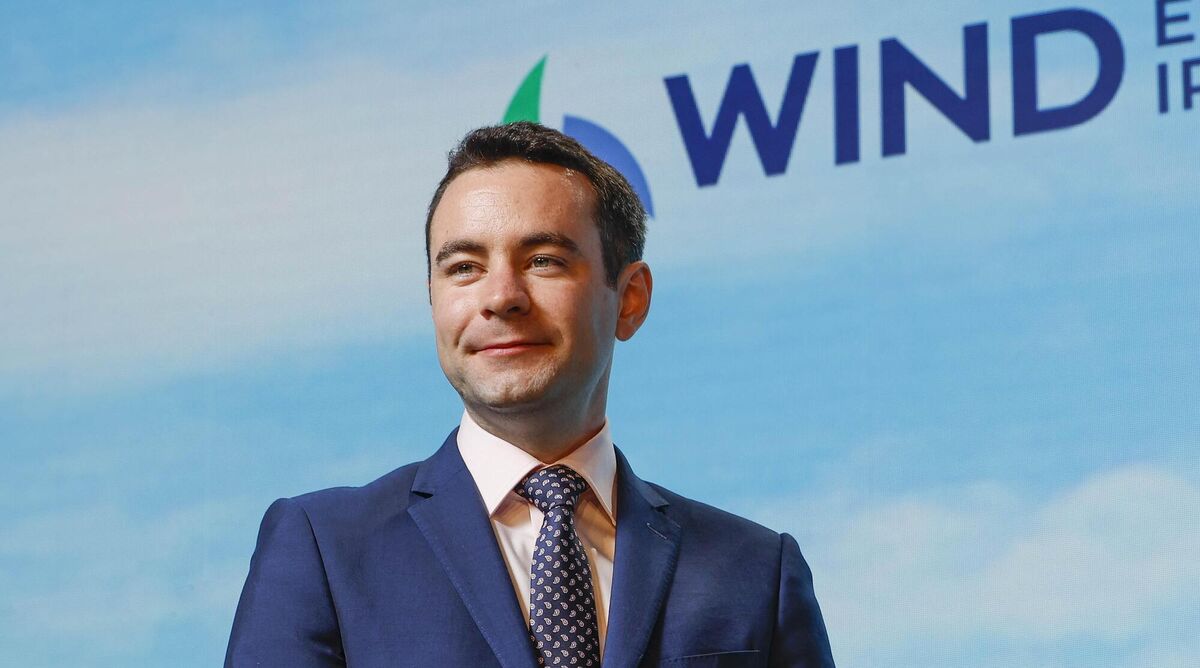
Industry representative body Wind Energy Ireland has urged the Government to add skilled staff to local authority planning departments to assess an increasing amount of planning applications.
“Giving the planning system the resources it needs to ensure applications for renewable energy and electricity grid infrastructure projects are thoroughly, but quickly, assessed is a vital investment for our future,” said Noel Cunniffe, Wind Energy Ireland chief executive.
Mr Cunniffe made his comments in Wind Energy Ireland’s pre-budget submission, where he warned that Ireland is “simply not building wind farms quickly enough to keep up with the scale of renewable energy deployment we need.”
“This means higher bills, more fossil fuel imports, and even more carbon emissions,” he added.
CONNECT WITH US TODAY



Be the first to know the latest news and updates