Unit labour costs rise after bank shares confidence in inflation fall
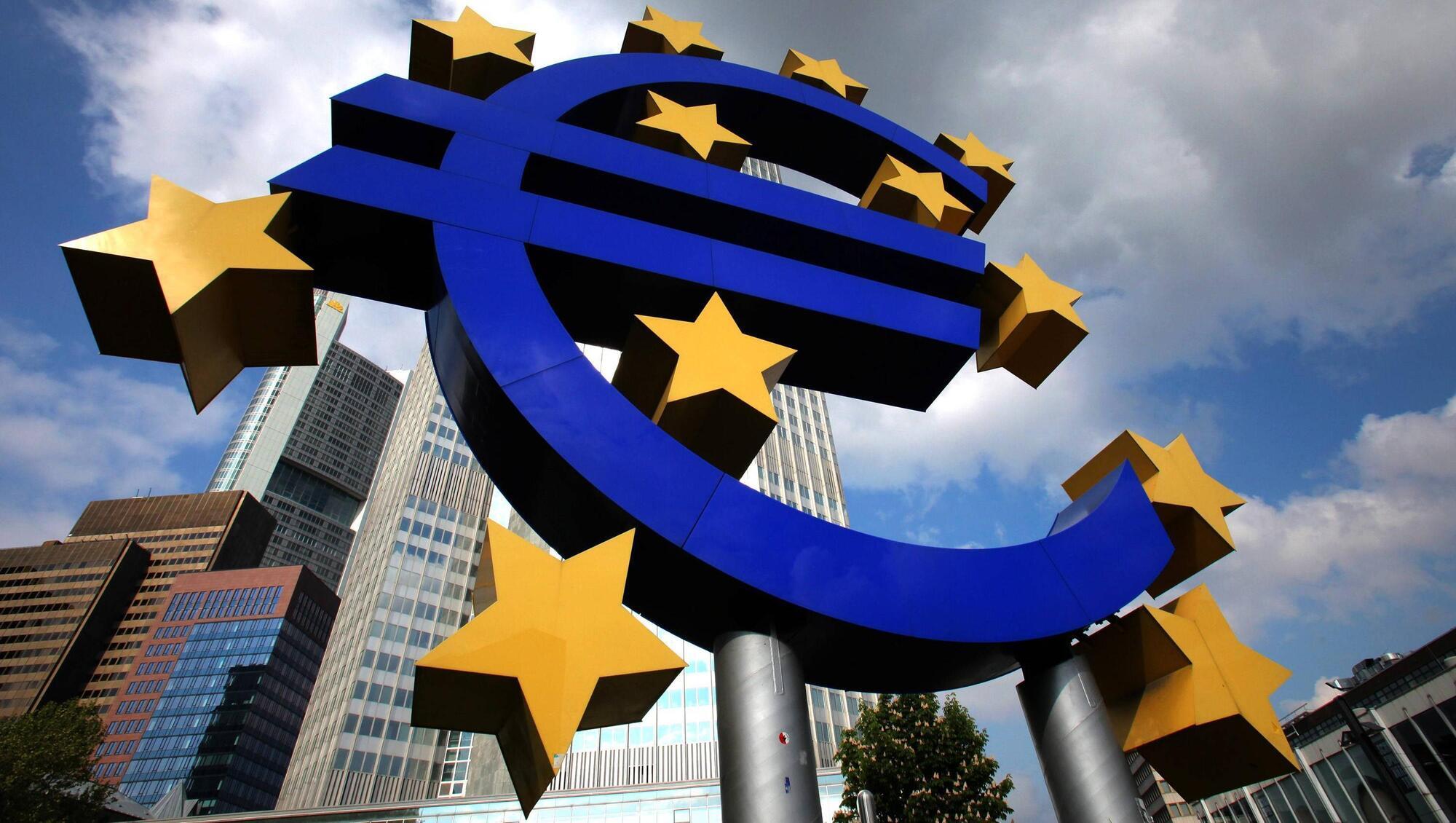
At its June 6 policy meeting, the central bank raised its forecasts for inflation this year and next — even as it cut interest rates. Picture: Hannelore Foerster/Bloomberg via Getty
Eurostat data has shown that unit labour costs rose by a hefty 5.1% in the first quarter — accelerating from 3.4% in the last three months of 2023
This comes after the European Central Bank (ECB) said it was confident that inflation will fall back to its 2% target next year, despite some "noisy" inflation along the way
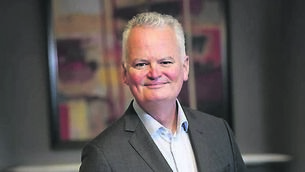
"There's a lot, a fair amount of confidence about the destination in the second half of next year," the regulator's chief economist, Philip Lane, said.
At its June 6 policy meeting, the central bank raised its forecasts for inflation this year and next — even as it cut interest rates, leaving some investors scratching their head about its intentions.
Some market participants have started to doubt that prices in the eurozone will behave as the central bank expects, particularly after strong wage and inflation data in recent weeks.
"So we do have to interpret the incoming data carefully, but to differentiate the noise and the signal,” he added.
Mr Lane conceded that the European Central Bank needed inflation across the domestically driven services sector to ease this year.
"I think this is an example where we need to see the momentum come down in the second half of the year," he added.

Mr Lane said the latest wage increases, while strong, were not in themselves a cause for concern because they implied lower pay rises in subsequent years.
Investors are currently expecting the central bank to cut the rate it pays on bank deposits once or — more likely — twice between September and December, followed by one or two further reductions next year.
Mr Lane did not comment on how many more cuts were on the cards, but said the central bank won't have all the information it needs at its July 18 meeting.
He said that while the eurozone economy is growing, rates were still far from a level that no longer put the brakes on activity.
In fact, he argued that the full impact of rate increases had yet to be felt.
"We don't think the peak effect on inflation dynamics has happened," Mr Lane said.
Meanwhile, Mr Lane said there was no need for the European Central Bank to come to France's rescue by buying bonds because recent market turmoil fuelled by political uncertainty was "not disorderly".
The central bank has set as a condition for any intervention in bond markets that there is an unwarranted and disorderly move in yields.
- Reuters