Coca-Cola CEO sees 'normalised pricing levels' after price hikes
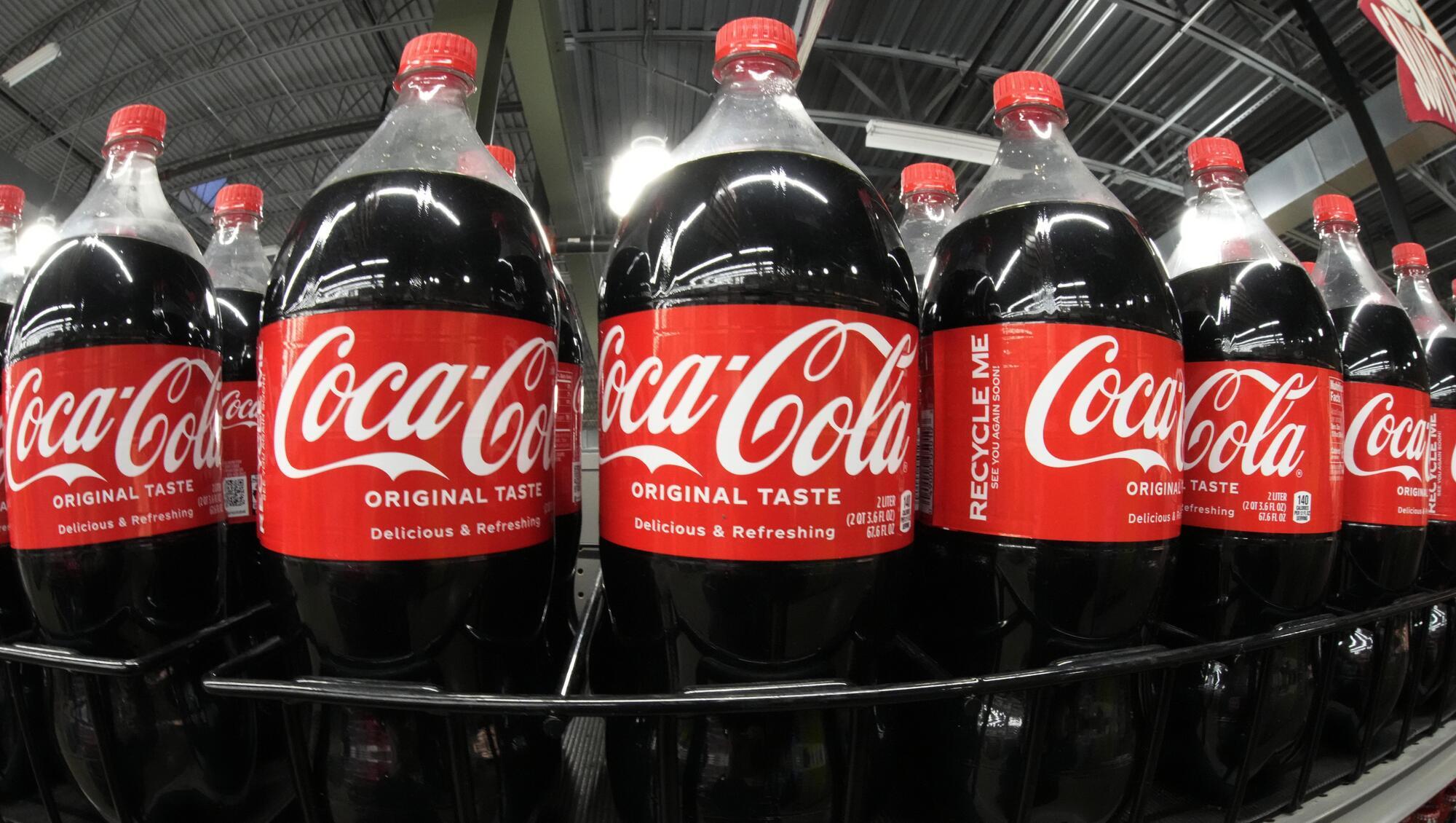
The company is working to offset the long decline in consumption of sweet, carbonated beverages.
Coca-Cola chief executive James Quincey expects consumer prices for the company’s beverages to moderate in the year ahead, after several quarters of price hikes in its European, Middle East, and African division to offset rising costs for commodities and other inputs.
The Atlanta-based giant, whose brands include Powerade, Fanta, and Minute Maid, said that the increase in prices across a mix of its products was 9% in the fourth quarter, more than analysts expected. The company said the rise was largely driven by hyperinflation in certain parts of the world. Coca-Cola’s price increase across the mix of goods in Europe, the Middle East, and Africa, was 24% in the quarter.
In 2024, “you’ll see normalised pricing levels in the majority of countries”, Mr Quincey said.
Inflation remains a pitched issue in the US despite moderation.
The company gave a 2024 organic revenue outlook that beat expectations, with a diverse group of products expected to boost results. Coca-Cola forecasts organic revenue growth of 6% to 7%, ahead of analysts’ expectations for 5.9% growth.
Organic revenue growth was 12% in the most recent quarter, which was ahead of estimates. Coca-Cola said that global unit case volume increased by 2% in the quarter, driven by Latin America and Asia, falling just short of estimates. North America case volume declined 1%.
The company is working to offset the long decline in consumption of sweet, carbonated beverages, he said, by offering more beverages with no sugar and by adjusting packaging and container sizes. In the last year, he said, volumes were impacted by a decrease in purchases among lower-income consumers.
Pepsi— the maker of Gatorade, Mountain Dew, and snacks — last week reported revenue that missed expectations and volume declines in its North American food and beverage units.
“Geopolitical events” adversely impacted the Coca-Cola business as well, Mr Quincey said. “The conflict in the Middle East is impacting the business, in different countries in different ways. And the conflict in the Ukraine has had an impact ... We’ve just got to manage our way through.”