Energy traders grappling with price volatility - ESB deputy CEO

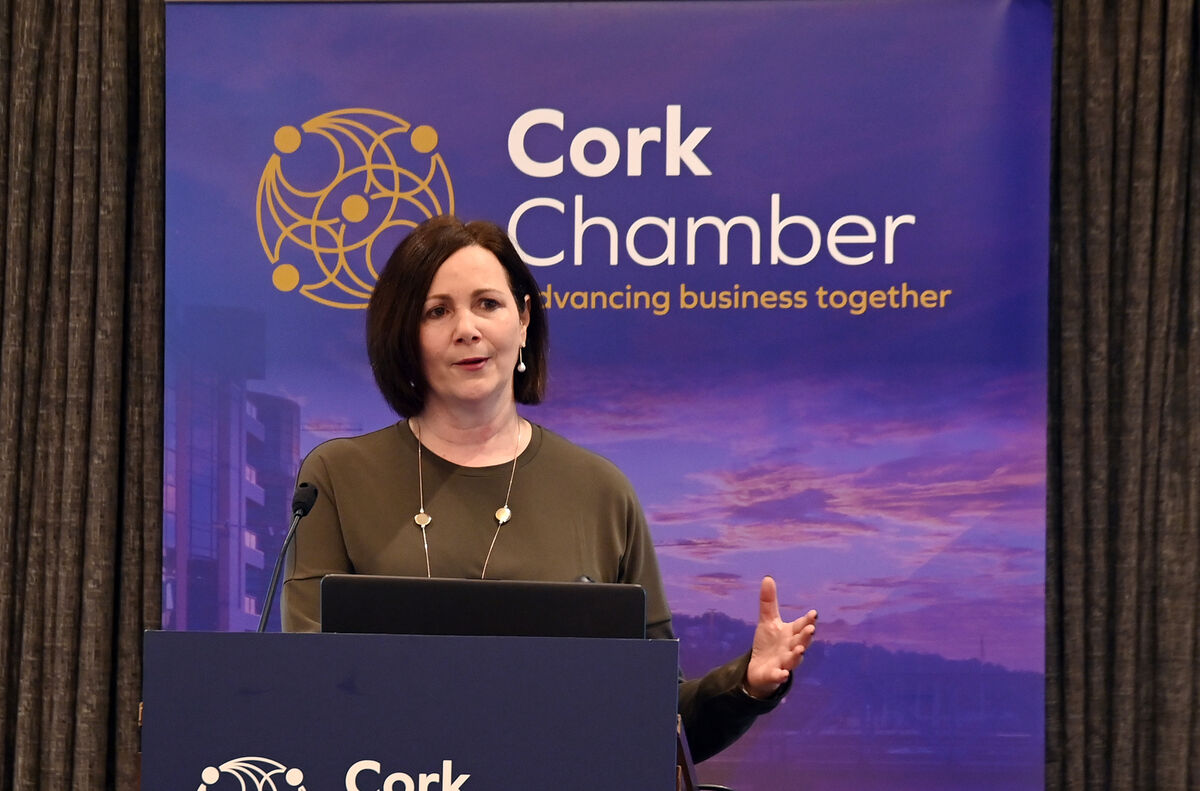
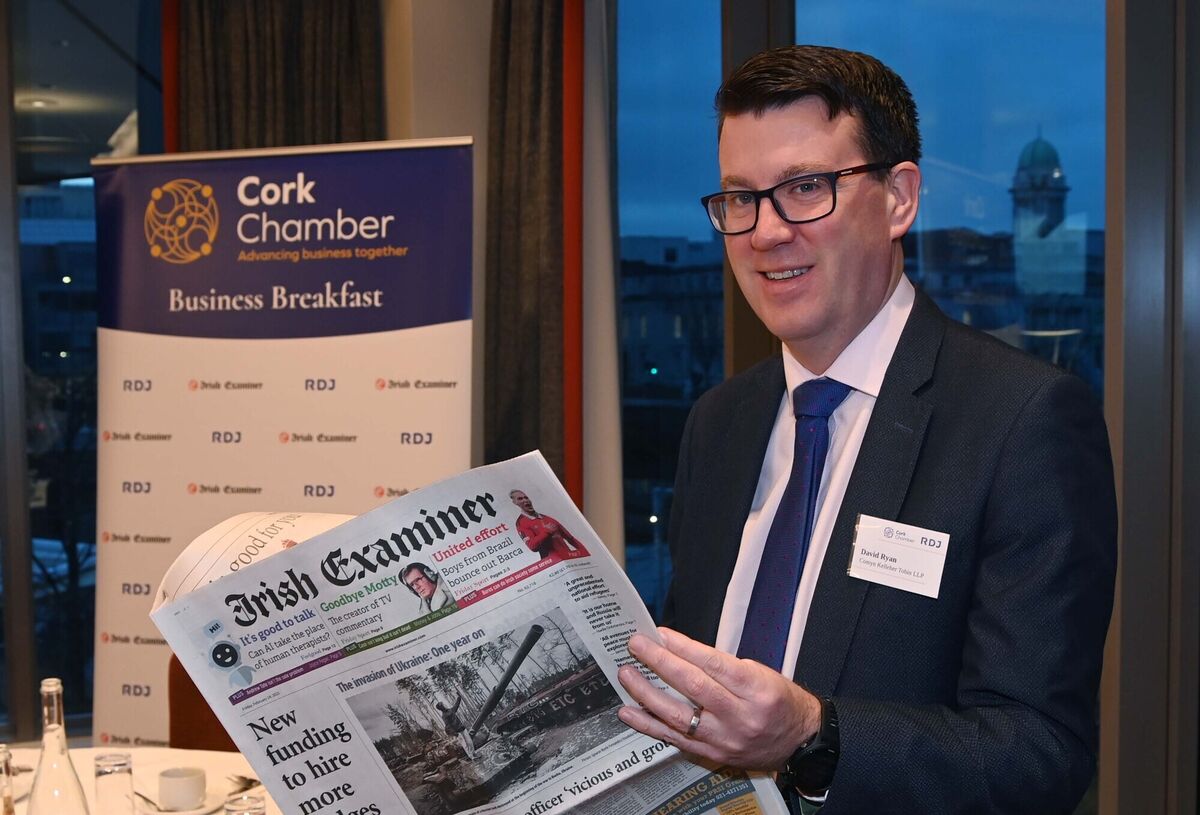
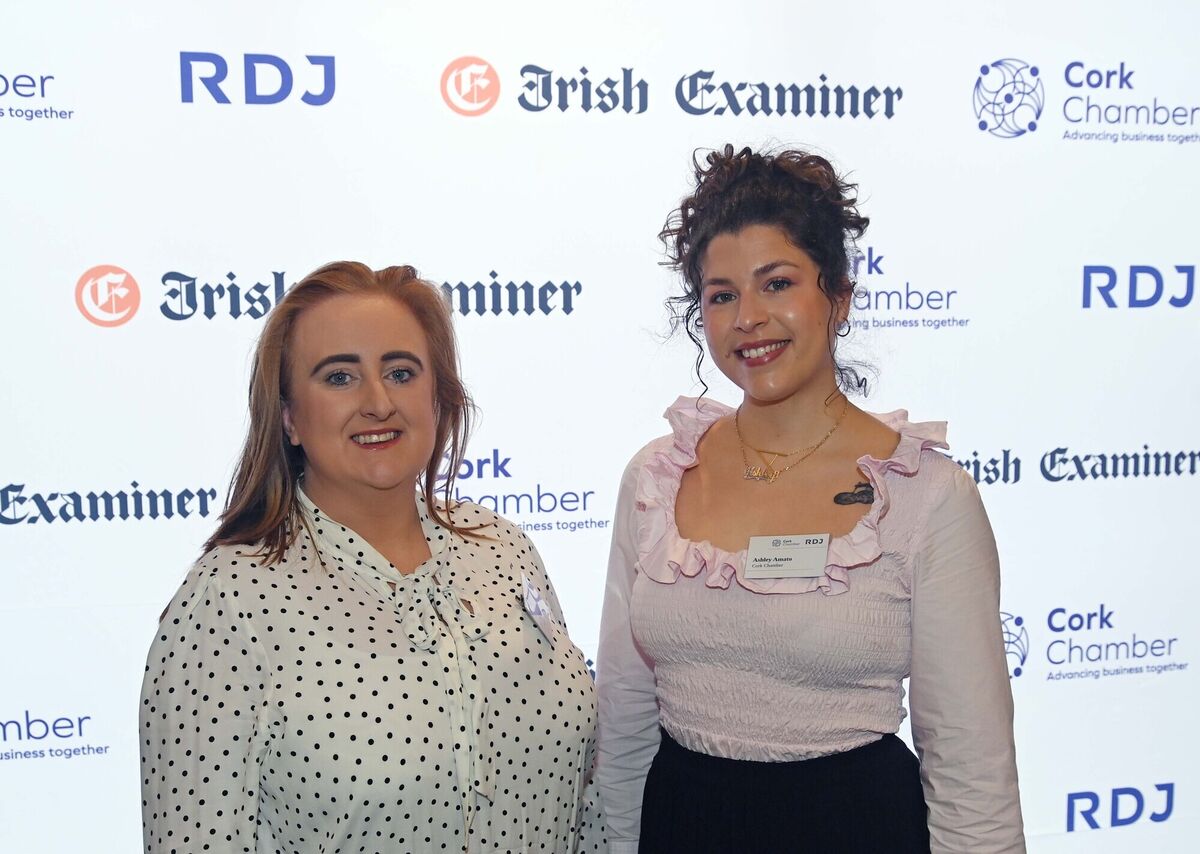
At the Cork Chamber Business Breakfast in association with RDJ and media partner the Irish Examiner in the Clayton Hotel Cork City were Irish Examiner managing director Mikie Sheehan; Margaret Ring, RDJ; Cork Chamber president Ronan Murray; guest speaker ESB deputy CEO Marguerite Sayers, and Cork Chamber CEO Conor Healy. Picture Denis Minihane.
Forecasting future energy prices remains a significant challenge, ESB deputy chief executive Marguerite Sayers has told a business audience in Cork.
While energy costs have begun to drop, particularly for larger companies, there is an expectation that volatility will remain in wholesale energy markets.
Speaking at the Cork Chamber business breakfast event this morning, Ms Sayers said the two decades of stable gas and energy prices had come to an end with the Russian invasion of Ukraine and energy traders continue to try and secure gas at prices that protect consumers.
She said that up until the summer of 2021 they were paying between 45 and 50 UK pence per therm (thermal units).
"It didn't change for about two decades. If it went up by two pence that was a major news story," Ms Sayers said, adding that the prices began to increase before the Russian invasion of Ukraine.
"It seemed like the Russians were playing with the flows of gas through the pipeline to see the impact it would have on the market."
"Following the invasion, the prices start to go up and up and up. Last August it reached 827 pence per therm. So we were seeing increases of 1,400% to 1,500% it was mind-boggling."
Ms Sayers said a benefit of having a trading organisation within the ESB is that they could buy energy over a long period to avoid severe peaks.
"But you cannot avoid all of it and we did have to buy a significant amount of gas at about £3.50 which is the level it stayed at for a long time.
She pointed out the challenge that trading organisations have in trying to predict the future market and what impact that can have on what consumers like households and businesses will face.
"You can buy energy for this quarter next year, at the moment for about £1.30. But the question is, would you? We have that decision to make. Do we buy and lock in that cost and possibly make ourselves uncompetitive because it actually might come back down to 40p or 50p if the war stops? So it is a really tough call."
Ms Sayers spoke to the Chamber audience about the ESB's plan to decarbonise electricity generation in Ireland.
The ESB currently operates approximately 1GW of renewable energy which it plans to increase to 5GWs by 2030 through a range of measures including increasing onshore wind and developing offshore wind capacity.
Asked by Cork Chamber CEO Conor Healy about the possibility of nuclear power forming part of electricity generation in Ireland, Ms Sayers said she would not advocate for it but that the country needed to have a "grown-up" debate about the issues.
"There is a nuclear station in Wales so if you are sitting in Dublin that is 60 miles on one side of you and if you were to talk about putting a nuclear station in Athlone there would be uproar," she said.
"The bigger issues would be, even if we got past that psychological barrier, is that the Irish system is about 5,000 megawatts at peak and in the past the smallest entity of nuclear was about 1,500mw and it was too big a risk to the system if that was to come offline."
"So it will depend on the future of smaller, modular nuclear reactors and how they develop, It's not that mature a technology — there are a few embryonic tests — but it is certainly a sensible debate that needs to be had on an ongoing basis," she said.
CONNECT WITH US TODAY



Be the first to know the latest news and updates