Gambling spend spikes as cost-of-living crisis pushes some consumers to bet
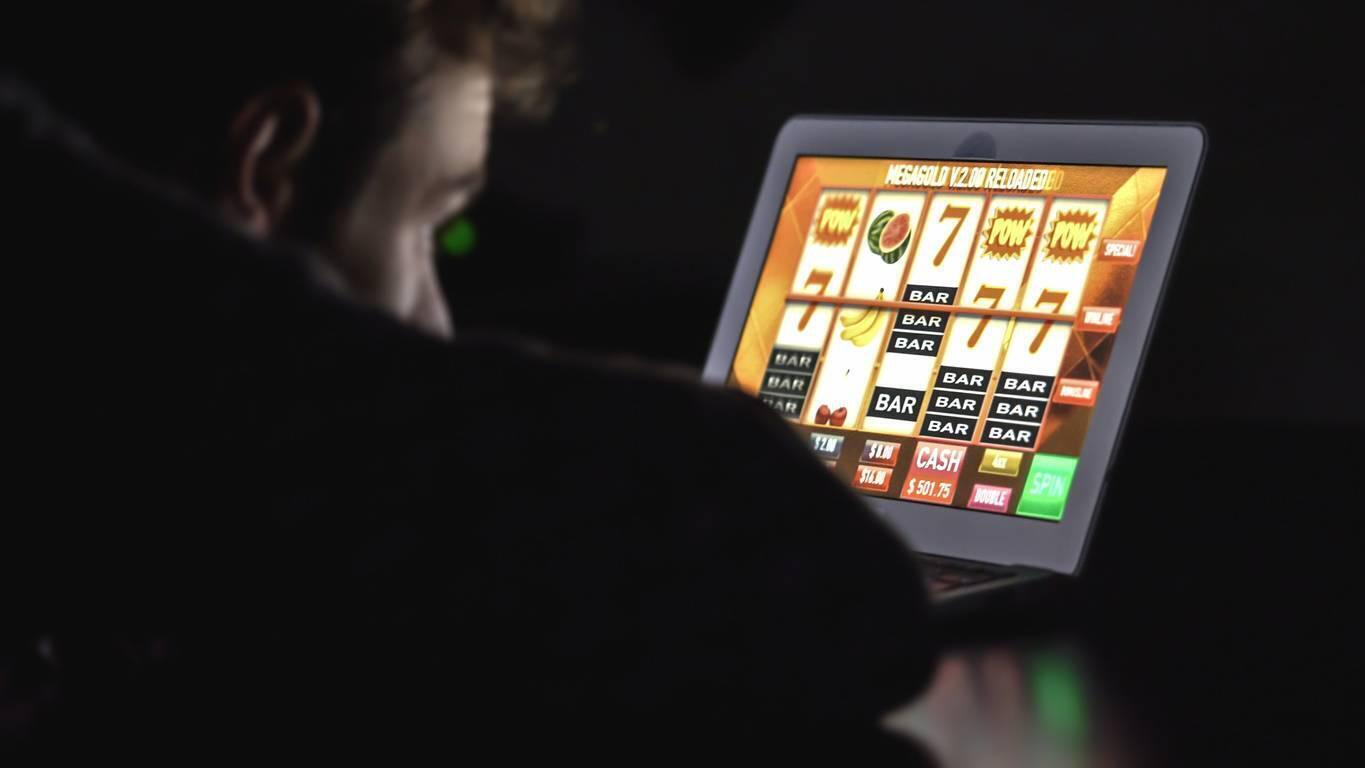
Gambling spending has jumped more than 20%. Tomorrow, January 1, the 'Irish Examiner' is publishing further in-depth analysis of the issue in print, ePaper, and online. File picture: iStock
Hard-pressed consumers may be turning to gambling to help fund their way out of the cost-of-living crisis, amid "wall-to-wall" betting adverts, addiction experts have warned.
After the Central Bank said its data showed spending on gambling “spiking” more than 20% year-on-year in October, Barry Grant, addiction counsellor and project manager at Extern Problem Gambling, said that even during bad economic times in Ireland, gambling is seen as something that is “recession-proof”.
“Most people will say there are very serious cost-of-living issues people are facing right now,” he said. “With housing, the price of butter, and everything in between.
“This 20% rise is a substantial one, coming from a very high base. Some of it will be recreational, but in a cost-of-living crisis-type situation, some people would turn to gambling as a means to make ends meet.
“If their food shop increases by 50%, they might see it as a way to split the difference. There's also 300,000 in arrears on their electricity bills. That would concern me.”
Mr Grant, meanwhile, hit out at the “wall-to-wall" advertising of gambling products that should be curbed once other parts of the State’s landmark gambling laws are enacted.
“One of the parts of the [gambling] act is a section that says a person should only be able to see gambling advertising on social media if they follow that company. That’s a huge one.
“For those with alcohol problems, they can’t squirt a pint down their throat through the phone. For people in recovery, it’s so difficult to teach an algorithm you don’t want to see gambling adverts anymore, where you can get the product for free, like free bets or free spins, instantaneously through an app on your phone."
In its recent statement of strategy, the Gambling Regulatory of Ireland said it will move to begin its licensing regime in 2026, which requires all companies offering products in Ireland to be licensed.
Alongside that, it has said its investigations unit will be equipped to manage legal enforcement actions, including civil proceedings, adjudication for administrative sanctions and criminal prosecutions, by the third quarter of 2026.
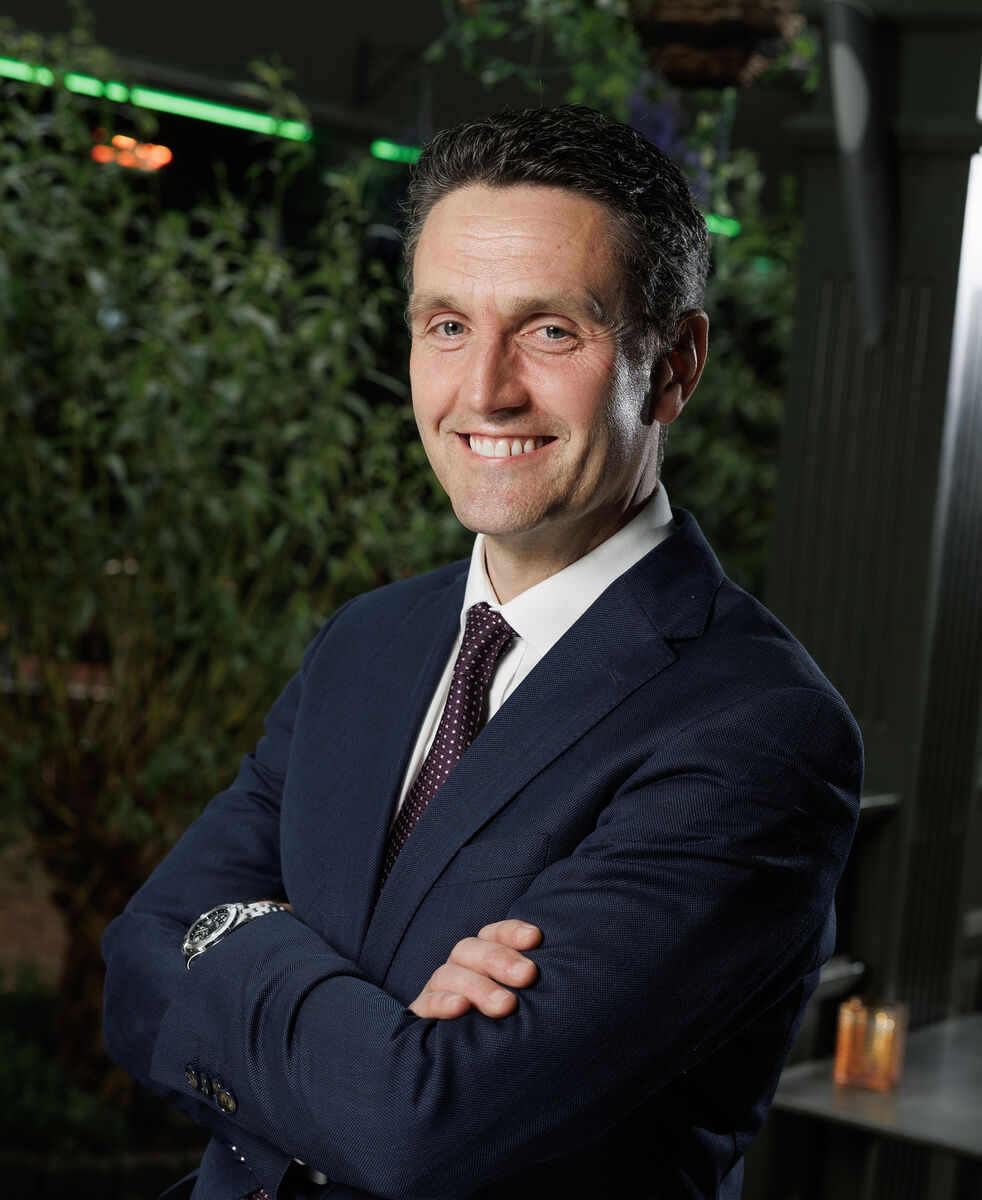
Professor Colin O’Gara, consultant psychiatrist and head of addiction services at St John of God Hospital, said that the regulator is doing good work, but must contend with the “behemoth task” it faces.
He said: “This is such a wide-spanning area. And the proliferation of gambling has had a two-decade head start.
“The gambling product has proliferated and pushed ahead with huge development and significant profit. All the while, the harm continues.”
Mr O’Gara said he has concerns around how artificial intelligence (AI) could be used in the gambling space, as models could detect when someone is developing a problem with gambling.
But, he said, with proactive regulation, it could actually be used as a tool to help support those at risk of problem gambling.
“It’s the use of AI in a maladaptive way I’m concerned about,” he said. “I’d like to see it used to protect people who will run into difficulties.
“I’d like there to be transparency around the use of AI, and transparency about identifying problem gamblers at an early stage. The data is there, and models will be able to predict who is gambling in a harmful way. With the cooperation of the companies, I’d like to see the regulator be able to request this data from them.”
He added that problem gambling can still be seen as a “moral failing” and this is something educational programmes should tackle to help encourage more of those in difficulty to seek help.
“We need to move the dial in terms of our understanding of gambling disorder as a biologically driven brain disease,” he added. “It’s a major public health issue and sits alongside other addictions.”

CONNECT WITH US TODAY



Be the first to know the latest news and updates