Argos cites cost of doing business in decision to close Irish stores
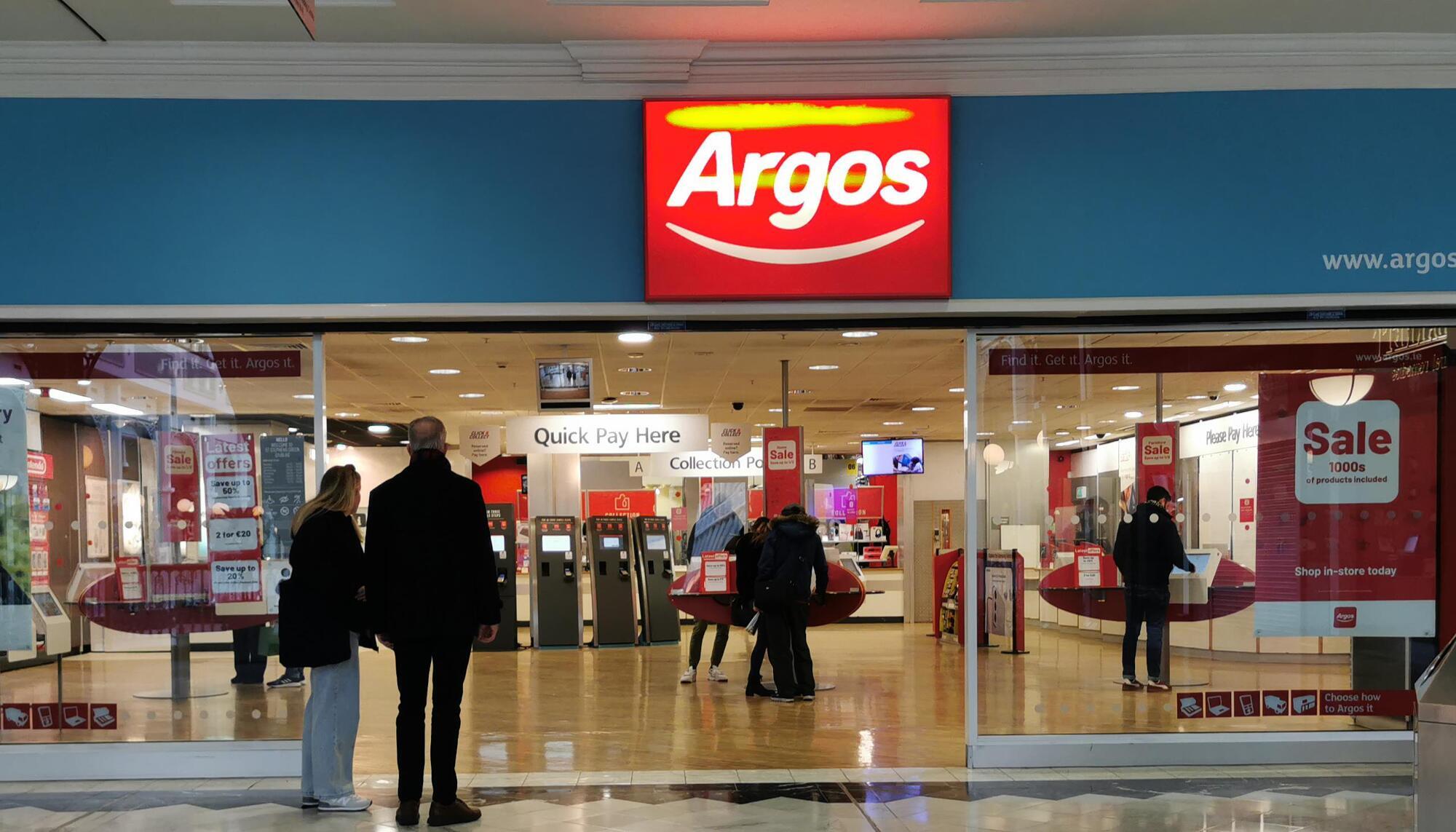
Store managers gathered workers together at each location yesterday morning to inform them of the news. Picture: Gareth Chaney/Collins Photos
A retail sector already battling to recover from the impact of Covid pandemic restrictions has been left reeling with Argos's decision to pull out of the Republic completely.
The British retailer will close all 34 stores here in a move that will impact 580 staff.
Store managers gathered workers together at each location yesterday morning to inform them of the news. In a statement, Argos said it arrived at the decision after concluding that the investment required to "develop and modernise" the Irish part of its business was not viable.
Argos stores will remain open to customers until June 24. However, the company is shutting down its online service on March 22.
Michael Meegan, an official with Mandate trade union which represents the majority of the workers, said there had been a feeling of “bad news on the horizon” amongst workers some of whom have up to 15 years of service with the retailer.
"We will be using this period to negotiate the best possible terms for those who are losing their jobs and we are expecting a constructive response from the company," he said.
Argos, which has been here since 1996, said that as part of its consultation with staff and Mandate, it will propose an enhanced redundancy package that goes "well beyond" its statutory obligations. The small number of workers not eligible for redundancy are expected to receive a one-off goodwill payment.
Retail Excellence Ireland said Argos's decision emphasises the fragility and the rapidly changing nature of the retail industry. "Retailers are experiencing their toughest time of year now and many are struggling to keep afloat," the trade body's managing director Duncan Graham said.
Argos was acquired by UK supermarket giant Sainsbury in 2016. It has been shutting standalone Argos stores and replacing them with outlets inside Sainsbury stores.
However, without a supermarket presence in the Republic, the company said the investment required to develop and modernise the Irish part of its business was not viable and that the money would be better invested in other parts of its business.
CONNECT WITH US TODAY



Be the first to know the latest news and updates