Lidl invested €1bn into Irish agri-food industry, report finds
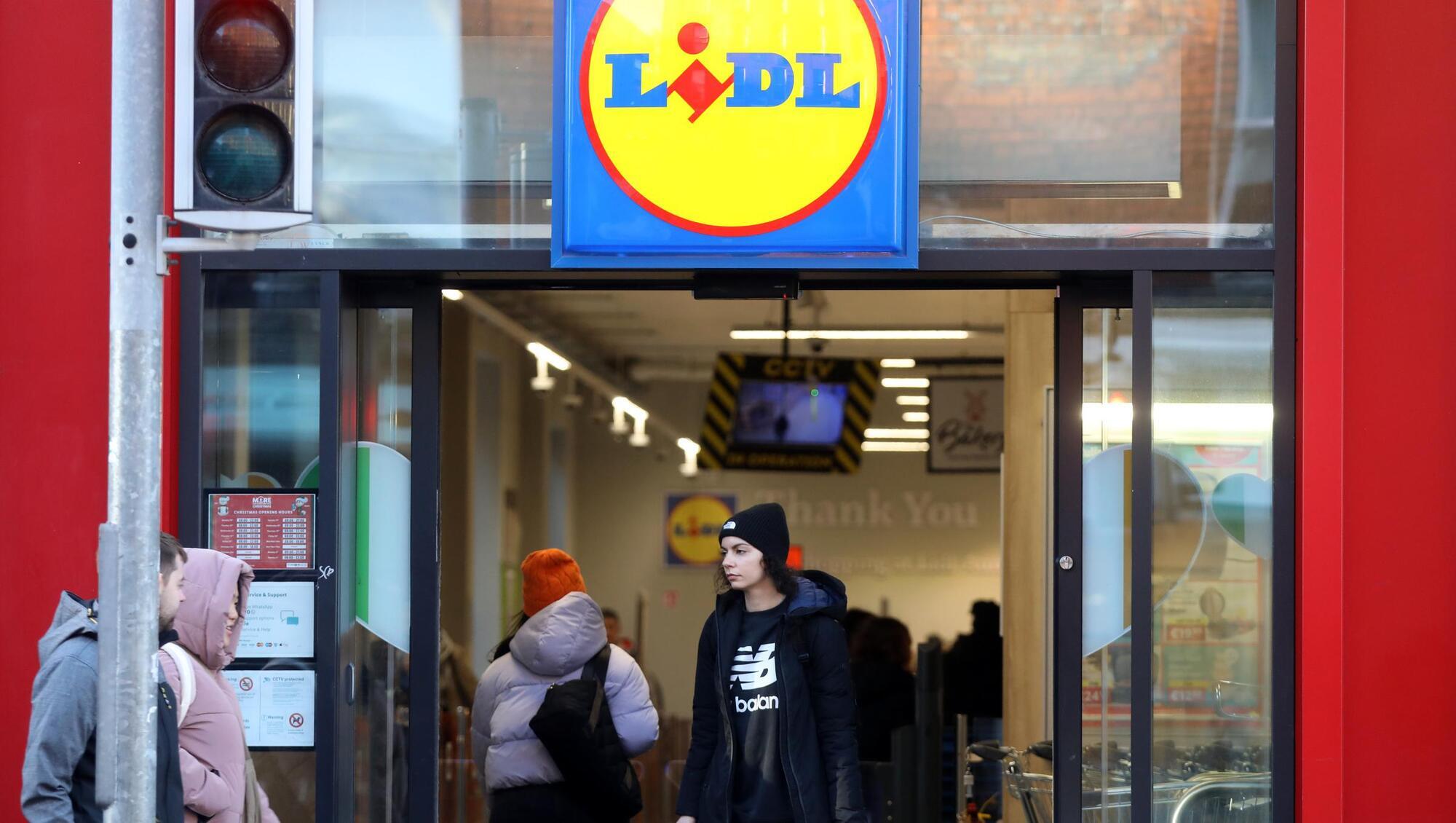
JP Scally indicated there will be more deals completed this year between the retailer and Irish producers. Picture: RollingNews.ie
Lidl Ireland invested €1bn into the Irish agri-food industry last year, the German chain’s latest Supplier Impact Report shows.
This investment is broken down into €682m which remained with Lidl Ireland’s operations and was used to source from Irish suppliers and sell products locally, while €318m was exported internationally through the grocer’s expansive network of stores.
“This record investment is a huge driver of economic growth, and this report demonstrates just how important supplier relationships are not only to the ongoing success of our business, but to the 400 local producers that we work with and their employees across the country,” said JP Scally, CEO of Lidl Ireland and Northern Ireland.
This investment was made up of deals such as a contract worth €20m with Bantry-based Keohane Seafoods, a €15m one with Dublin Meat Company, and an €8m contract secured with Donegal juice and smoothie producer Mulrines.
“Since 2018, we have been working hard to increase our customer offering, expanding our product range by more than 40% and tripling our buying team to focus on sourcing as many Irish products as possible, helping customers to do their full shop with Lidl while also buying top quality Irish products,” said Mr Scally.
Many of these deals included significant exports such as Keohane’s seafood reaching the shores of Britain, Germany, Cyprus, Italy and the US. Meanwhile Tipperary’s Honeyvale Foods now supply Irish ham and bacon products to hundreds of Lidl stores in Denmark, Greece, Portugal, Slovenia and Poland.
Mr Scally also indicated there will be more deals completed this year between the retailer and Irish producers as the company is looking “forward to nurturing new and fruitful supplier partnerships and supporting even more local businesses to success”.
Meanwhile, a separate report by Bord Bia showed that the significant growth in food and drink exports, which climbed 30% on pre-pandemic levels, can be attributed to both increasing unit prices and an increase in the volume of goods exported.
High inflation and rising input and operational costs are the main drivers of rising unit prices.