In a month often marked by gales and rain, the rivers and lakes of Ireland once again see the return of anglers as the fishing season gets properly under way.
Inland Fisheries Ireland was established in 2010 with a principal function to protect and conserve Ireland’s inland fisheries and sea angling resources. The agency has statutory responsibility for the management of 74,000km of rivers and streams together with 128,000 hectares of lake. A coastal 12-mile jurisdictional limit is also included.
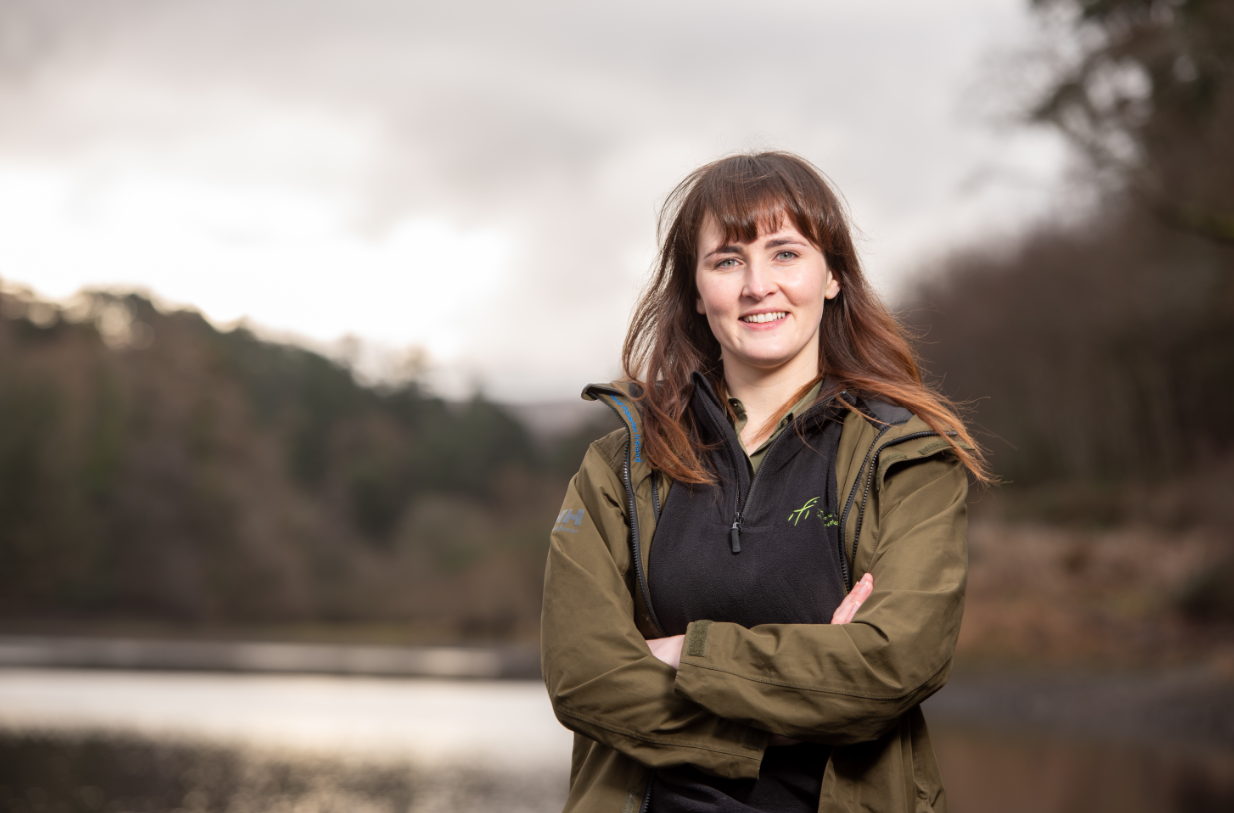
Christine Meehan has been a seasonal fisheries officer since 2019, with a background in environmental protection. She currently works in the south western river basin district.
“It is certainly a job where no two days are the same,” she explains. “A typical week would involve a variety of patrols along freshwater and coastal areas, by vehicle, foot, boat and kayak patrolling. During high season we follow the fish on each tide as they make their way up the river, which entails checking commercial fishing licensees and anglers, while keeping an eye on water quality. Realistically, the majority of our year is high season as we also focus on bass patrols along the coast and observing the spawning efforts of salmon and sea trout in the upper reaches of the system.”
She started with the agency through work experience in 2016, becoming a seasonal fisheries officer in 2019. Having studied wildlife biology at IT Tralee and continued on to postgraduate studies in environmental protection, her attraction to this kind of career was a constant: “I have always had a deep interest in everything about water, both freshwater and saltwater. I trained in water safety since the age of 10, and worked for many years as a lifeguard, which helps with staying safe while working in remote areas. While in my undergraduate course, I was lucky to gain work experience with Inland Fisheries Ireland shadowing employees working in protection, environmental and development.”
Inland Fisheries Ireland recently launched a recruitment drive to hire 49 seasonal fisheries officers, with the six-month posts divided across seven river basin districts, covering 16 counties, where candidates work in both protection and development roles. As an environmental agency tasked with enforcement, protection and development, officers undertake over 30,000 patrols annually, in tandem with development teams ensuring the sustainability of fisheries habitat. The agency plans to launch a second recruitment drive later in the year for seasonal research assistants.
“The roles are always very popular, down in large part to the versatility of the job,” says Christine. “You have people from a variety of different fields applying, many with backgrounds in angling, conservation and enforcement. An interest in the outdoors would definitely be necessary — it’s a rare occurrence to be sitting in the office.
“You’re operating in all weathers, good and bad, so a love of nature and the outdoors is very much a necessity.”
Part of the job entails noting stocks and checking how many anglers are out there: “Keeping notes of what you encounter everyday, even the smallest observations could be important, and mostly just chatting with anglers and getting information from them as well.”
In the approved 2022 legislation that will govern the wild salmon and sea trout fisheries, 81 rivers are available for salmon and sea trout fishing. Forty-five of the rivers will be fully open, with a further 36 available on a catch and release basis. Improvements in stocks can only be achieved collaboratively over time and are entirely dependent on everybody redoubling conservation efforts in the face of environmental, climate and human impacts.
For the first time since records began in 2001, the Wild Salmon and Sea Trout Statistics Report 2020 revealed that more wild salmon are now being caught and released than caught and kept, as part of the effort to help conserve declining fish populations. In all, 14,138 wild salmon and sea trout licences were issued to recreational anglers in 2020, while 78 public licences were made available to commercial fishermen. Based on the logbook returns of these licence holders, recreational anglers caught an estimated 78% of all salmon and sea trout last year, compared with the commercial fishermens’ catch of 22%.
Research shows that more than 327,000 adults in Ireland consider themselves anglers, while a further 18% who have never fished are “likely” to try the sport in the future. To encourage more people into the sport, Inland Fisheries Ireland has a sponsorship programme inviting angling clubs, groups and associations to apply for the €30,000 fund with particular focus on initiatives aimed at beginners and young anglers, as well as events that promote sustainable angling tourism.
Of the 41 events that received funding in 2021, the agency supported ten national or international competitions and festivals that showcased Ireland’s angling resources and contribution to local economies. In addition, a total of 28 coaching and juvenile outreach events were supported to help increase participation in the sport, along with public awareness events and angling-related initiatives. “One of the challenges is around the education side of things and trying to get people out angling.
Christine explains: “If even one person out of a whole group starts angling at least that one person will share their love of the rivers and lakes and will hope to try and protect it.”
Listing the most useful attributes for the job, Christine underscores people skills as being high on the list: “Being able to deal with all sorts of people is certainly important. Either on a professional or a casual level, you know you’ll need to build up a good rapport with people, especially anglers. Just being easy to talk to is very helpful in the job, but also being able to make tough decisions when you need to as well.”
While a love of the outdoors is a given for the job, an ability to cope with Ireland’s unpredictable climate is an additional asset: “It is often a challenge trying to cover all the areas that need to be covered, and it can sometimes feel like we’re chasing our tails. And working in remote areas in all kinds of weather conditions does pose its own challenges.”
But for all of the downpours and flooded terrain that are part and parcel of the job, Christine readily admits that the advantages far outweigh the downsides: “Witnessing nature and wildlife all year round, chatting with interesting people, and seeing our efforts paying off at the end of the year as the fish are successfully breeding — these are some of the sides to the job that are incredibly satisfying. Working with Inland Fisheries Ireland is a career that ticks many boxes — but especially rewarding, challenging, vital and fun”.


Cancel anytime
CONNECT WITH US TODAY



Be the first to know the latest news and updates