Percentage of women on boards of Irish stock market's biggest companies rises to 30%

In 2021, the percentage of women on boards of ISEQ 20 companies rose to a new milestone high of 31%, up from 18% last year. Picture: iStock
The number of women sitting on the 20 biggest companies on the Irish stock exchange has risen to 30%, according to new research.
The fourth report of the Balance for Better Business Review Group, launched this morning, found that Irish businesses have made progress towards achieving gender balance at board level over the past year.
In 2021, the percentage of women on boards of ISEQ 20 companies rose to a new milestone high of 31%, up from 18% last year.
Forty-two percent of ISEQ 20 listed companies now have at least three female board members, according to the research.
For other listed companies, the percentage of women on boards is now 20%, up from 9.6% in early 2018.
In other large Irish companies, the percentage of women on boards is now 22% overall.
The Balance for Better Business Review Group says the rise to 31% from 18% among companies on the ISEQ 20 demonstrates that the country is “well on track” to achieve its goal of having 33% female board members by the end of 2023.
The increases mean that Ireland, as of November 2021, has moved up to 12th position from 17th on the list of women on company boards for the largest companies in the EU27.
"It’s encouraging to see further progress has been made this year,” Tánaiste Leo Varadkar said.
Mr Varadkar said that women are still underrepresented as regards executive director roles, and that progress to rectify this issue has been “too slow”.
Indeed, while many companies have exceeded their 2021 target for female representation, some listed companies and large Irish-owned private firms have missed theirs.
At present, there are still five (13%) listed companies with all-male boards.
“Change takes time, but the progress made shows what can be achieved when companies focus on making change happen,” Mr Varadkar said.
“I hope next year to see greater progress on senior leadership targets.”
The Balance for Better Business Review Group says that some of the targets missed by some Irish companies are in line with the findings of the latest Organisation for Economic Co-operation and Development (OECD) report on the gender pay gap.
The OECD's report shows that, in spite of societal changes over decades and various labour market, educational, and public policy initiatives, women continue to earn less than men, with the gap even more pronounced among the highest-paid.
Gender Pay Gap reporting will be introduced in Ireland in 2022, meaning companies will need to include reporting on the reasons for any pay gap.
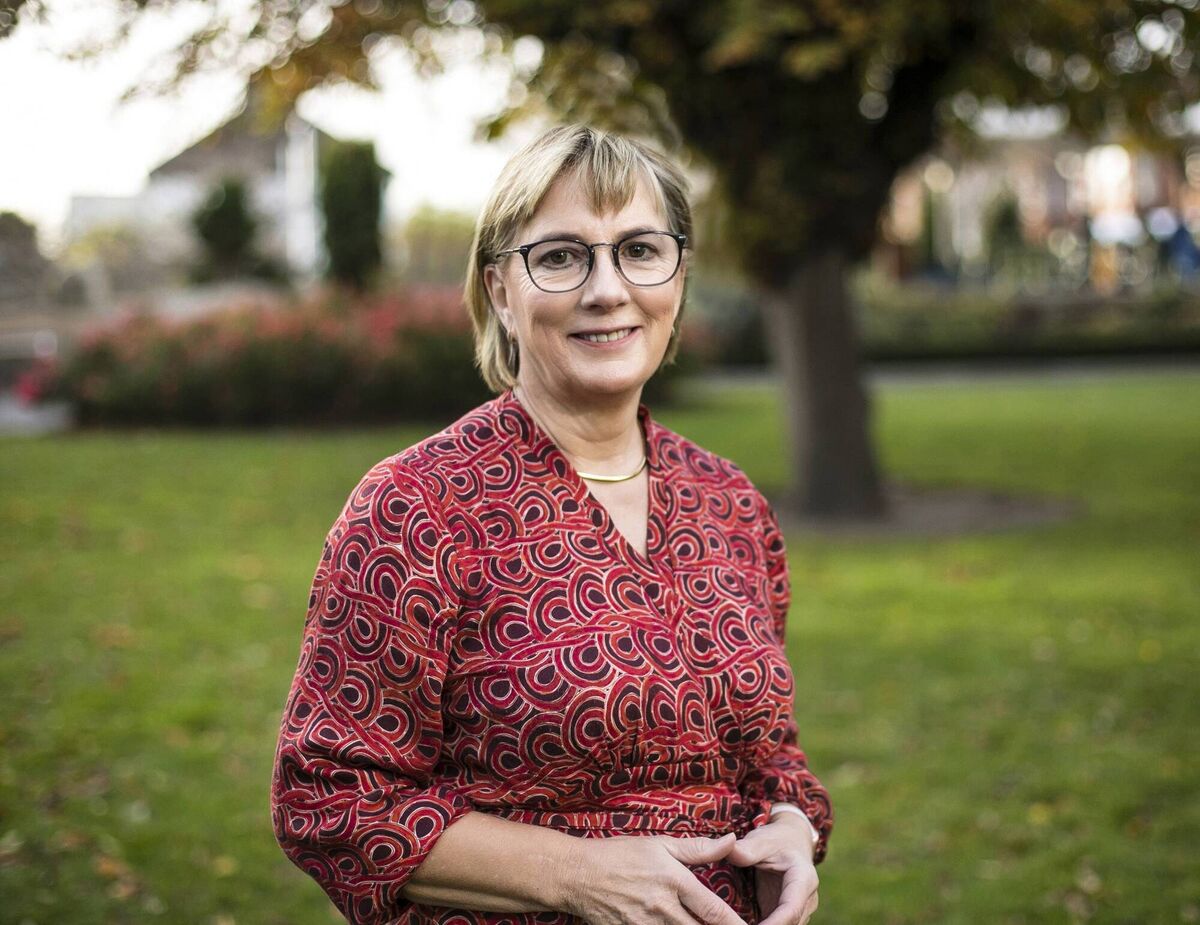
Balance for Better Business Review Group co-chair, Julie Sinnamon, said the business case for more diverse decision-making and leadership is well established.
"While work remains to be done at the board level, the real challenge is in achieving balance at leadership level in organisations," Ms Sinnamon said.
"We will continue to highlight how proactive talent management and succession planning provide pathways for businesses to facilitate change in their own organisations.
"A strong and robust pipeline of future female leaders influences the shape of future leadership teams and boards.
"This will provide sustainable, long term change, in a way that continuing to place too much emphasis on recruiting women to boards cannot," she said.
CONNECT WITH US TODAY



Be the first to know the latest news and updates