Nike and H&M risk boycotts over Chinese forced labour furore
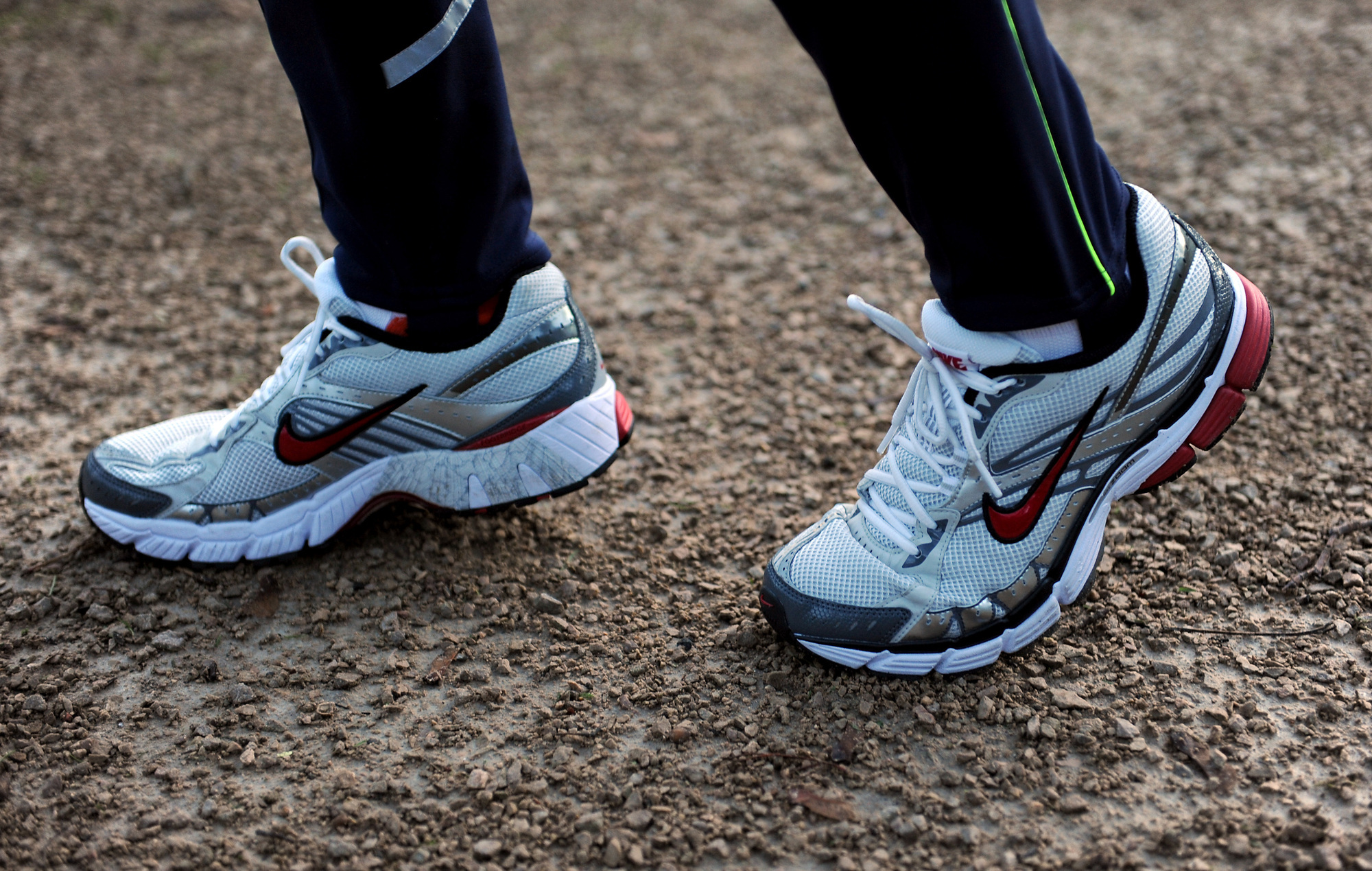
Nike and H&M are under pressure and facing a dilemma in China.
Nike investors are sweating over concerns its fast-growing Chinese retail business could falter amid calls to boycott related to the company’s position on cotton from the contentious Xinjiang region.
The sportswear firm’s shares fell as much as 5.4%, the most intraday since October. Other companies caught up in the controversy, including fashion retailers H&M and Burberry, also fell.
“The reason that the market’s reacting is they’re worried about topline impact,” Aneesha Sherman, an analyst at Bernstein, said.
“It’s more of a risk for luxury players, because they depend more on Chinese demand, but even for mainstream, it’s a fast-growing region and the discretionary spend levels are going up, so it is an important region not to lose market share in.”
The controversy, which has been gaining attention this week, stems from the issue of whether North American and European companies will continue to buy cotton from the Xinjiang region amid allegations of forced labour.
The Chinese government has rejected the claims, with Foreign Ministry spokeswoman Hua Chunying calling the reports “malicious lies fabricated by anti-China forces.”
Companies like H&M and Nike are suddenly facing a dilemma: embrace cotton from the region and come under attack in their home markets, or reject it and risk a boycott in the crucial Chinese market.
China has grown increasingly important to global consumer companies, especially as its population of more than 1bn gains upward mobility and spending power.
At Nike, Greater China has generated from about a fifth to a quarter of global sales in recent quarters, while North America – still its biggest market – continues to lose prominence.
With US and European brands in the spotlight, Chinese firms are now rallying around Xinjiang, which produces more than 80% of the country’s cotton.
Local companies that said they’d continue to source the material from the region are being rewarded in the stock market, including Anta Sports Products, the Chinese sneaker giant that owns the Fila brand.
“What this may do is accelerate some of the share shift that was already starting to happen as the local, fast-growing Chinese brands in fast fashion and sportswear start to threaten the market shares of the likes of Inditex and H&M in that region,” Ms Sherman said.
H&M was blasted by the Communist Youth League and the People’s Liberation Army, earlier this week, after social-media users dug out an undated company statement about accusations of forced labour in Xinjiang.
Calls to boycott the Swedish retailer, which gets 5.2% of its global revenue in China, quickly spread to include Nike, which has previously said it won’t source products from the region due to labour concerns.
Brand ambassadors in China for both firms cut ties with the companies in recent days.
The Communist Party’s move to target companies over Xinjiang shows President Xi Jinping’s government is seeking to impose real costs for governments and businesses that criticise China’s human-rights record as the Biden administration aims to unite allies over the issue.
• Bloomberg
CONNECT WITH US TODAY



Be the first to know the latest news and updates