Caring isn't a career that you ‘sell’ but a calling to be nurtured
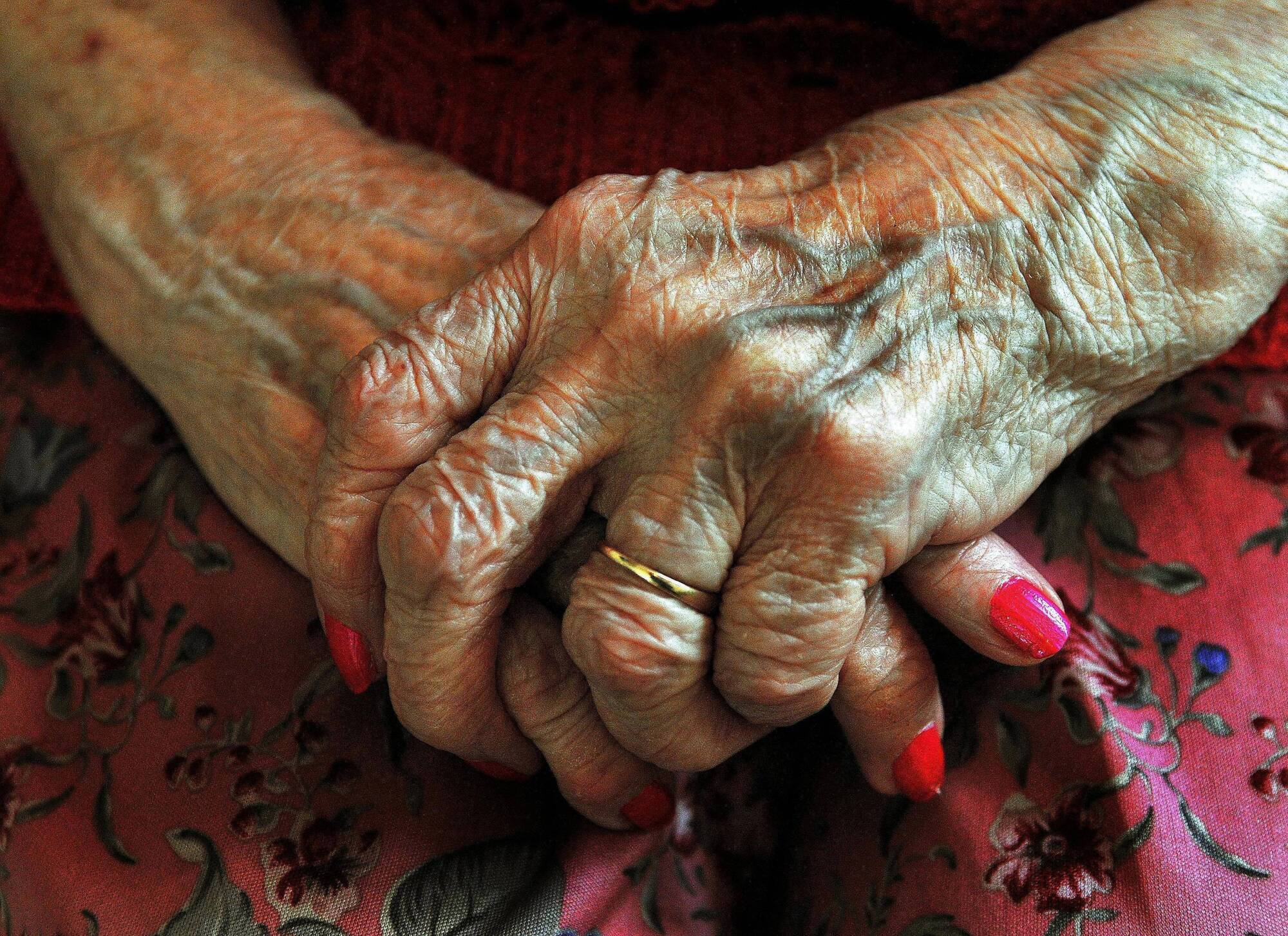

Ireland needs to incorporate new technologies that assist the traditional home care model and bring acute hospital care closer to the home
Caring isn't a career that you ‘sell’ but a calling to be nurtured

At its annual conference last October, Home and Community Care Ireland (HCCI) anticipated that up to 800 new carers would be needed in the private sector to provide the additional 4.7m home care hours as set out in the HSE winter plan.

“The HSE took a pragmatic decision last July to support increased recruitment into caring,” HCCI chief executive Joseph Musgrave explains. “This meant providers could recruit more widely than before and it has been a great success.”

HCCI has seen more than 1,800 new carers hired since then, with members undertaking induction and training for all new starters, in addition to the requisite QQI training when conditions allow.

“However, this measure expires at the end of March and I’m very keen that we sit down with our colleagues in the health service to figure out how to keep up this rate of new hires,” says Joseph. 

The economy needs it, as does our health care system — we need more care to happen at home.

Covid-19 has impacted significantly on the sector, in a year which has been a struggle for providers, their staff and clients.

“I’m immensely proud of the efforts members of HCCI have put in to keep clients and staff safe, reassure clients, and manage with the new ways of working at the busiest time they’ve ever experienced,” he says. 

"The wonderful work that carers have done and continue to do, day in and day out is really inspiring."

Joseph Musgrave.
Joseph Musgrave.

And while every Covid-19 case is a personal ordeal, he points out that during this most virulent wave of the pandemic, the peak number of infections among clients was 193, or 0.1% of its client base of 20,000. 
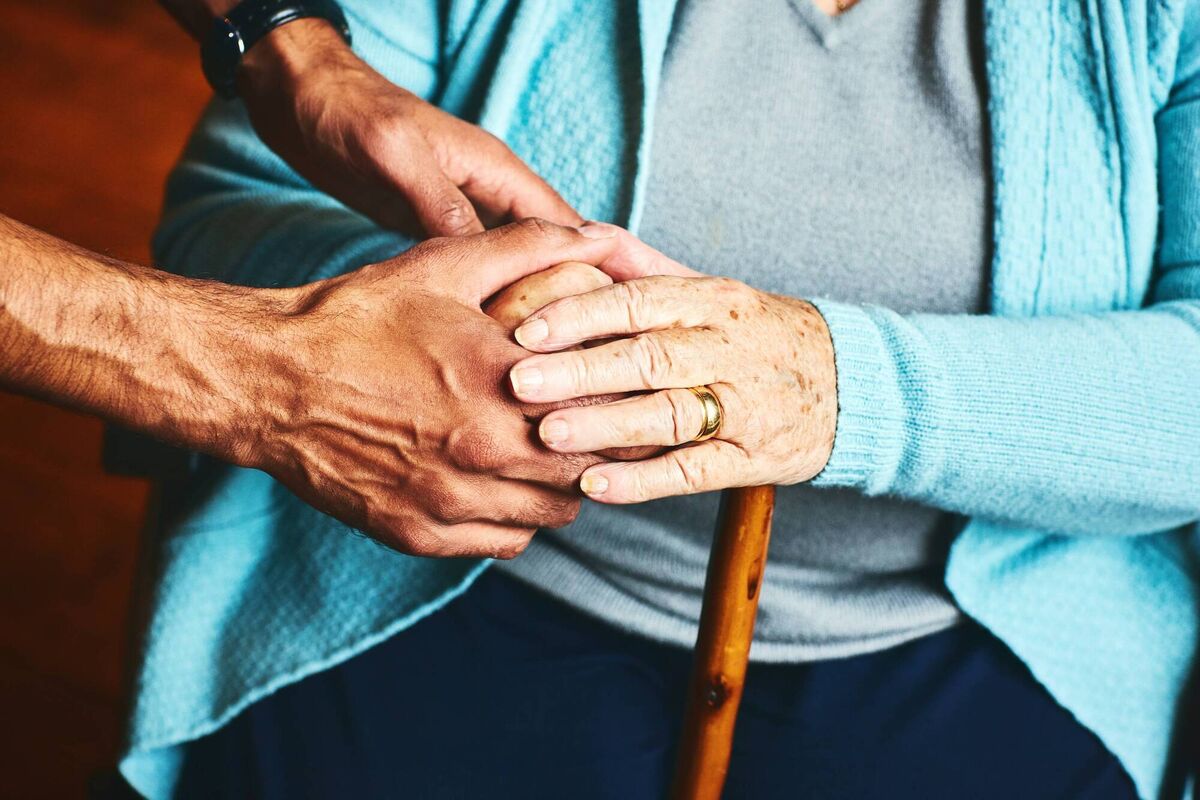
This is huge testament to the providers, staff and families.

Joseph is hopeful that the 10,000 carers employed by HCCI members will receive their injections quickly.

“The hopeful news is that the vaccine programme for carers has started and I would expect to see the entire sector vaccinated very soon.

"If not, it will be a big failure of Government to live up to their moral obligation to protect carers, as they help protect our most vulnerable.

Importance of home care

Home care needs to be treated like the frontline health service that it is.

Joseph was appointed CEO of HCCI in September 2018, and also serves as a director of the board. Prior to joining HCCI, he worked at Burson-Marsteller, a leading global public relations and communications firm.

“I don’t think caring is a career you ‘sell’, it is more of a calling that ought to be nurtured in young people,” he says. 

“The barometer of success needs to change from how many digits are in your bank account to what positive contribution one has made to society — and carers have a great score on that count.”

To that end, HCCI has launched a Workforce Planning Subgroup to look at what can be done as a sector to make caring more attractive, and he suggests the areas of focus need to include the living wage, sick pay, and a structured career path.

“The sector has started moving on these issues and it is something I’m deeply committed to. Now it’s up to Government and the HSE to sit down with us to make home care a more valued career choice.”

While the pandemic is clearly the main focus of Irish society at present, the demands of our increasingly ageing population present another significant challenge over the coming years.

“I think framing it as some Herculean task is an overly negative tone,” he says. 

Ageing is part of life

"Ageing isn’t a problem, it’s part of life and can be an immensely positive one if our communities adapt to this reality."

We need more, and better, home care, he says, underlining that the pandemic has proven it is the safest model of care for older and vulnerable people.

“But we also need to look at different housing options for our population that adapt to our needs as we grow old and new ways to celebrate all our different abilities.

"Sport is great, but what we celebrate there is youth, vigour and athletic prowess. Maybe it’s time we looked at ways to make wisdom and experience attributes we celebrate.


“I don’t know exactly what that would look like yet, but it’s hardly beyond our wits to figure out.”

We are laggards compared to some of our European neighbours in terms of home and community care, Joseph says, and are overly reliant on institutions and care delivered in large buildings — such as hospitals — for our care.

"Places like Denmark have trialled delivering advanced clinical care, such as chemotherapy, in the home, and the USA is even looking at some surgeries that can be performed at home," he says.

In Ireland, we still don’t have a statutory right to home care, although it’s being worked on.

Joseph believes we need to be ambitious, incorporate new technologies that assist the traditional home care model and bring acute hospital care closer to the home: "We also should learn from Covid-19 that home care is the safest, most resilient model we have."

The attributes Joseph observes in carers who work at HCCI companies across the country are compassion, a determined work ethic, and an inspiring dedication to their clients. 

He says technology is playing an increasing role in helping carers do their jobs — from better ways to track the delivery of care right through to smart sensors in the home that work to keep clients safe and well.

“What we need is a framework for technology — how do we incorporate the latest developments into the service, how is this funded and how is it tested?

"This isn’t about advocating for a particular technology but an approach that views technology as a helpful and useful thing to have in home care.”

Positive outlook

Despite the obvious challenges, he remains positive about the sector into the future. 

“I’m hugely optimistic about the sector. HCCI members and their staff have done incredible work during this pandemic and it is my honour to represent them.

"I spoke with Paul Reid a few months ago about the whole idea of Home First — an approach we both share.”

An effective home care scheme will give more vulnerable people in Ireland the freedom, and the right, to be cared for in their own home and in their local communities.

“This is the right thing to do, not just for people who need home care, but for our society.

"If Ireland’s communities are to continue to grow as vibrant and diverse places to live, home care must be at the centre,” he says. “It’s up to those of us in leadership positions to realise the vast potential within the sector.”

x

More in this section

The Business Hub

Newsletter

News and analysis on business, money and jobs from Munster and beyond by our expert team of business writers.

Cookie Policy Privacy Policy Brand Safety FAQ Help Contact Us Terms and Conditions

© Examiner Echo Group Limited