Johnson & Johnson in $4bn opioid offer
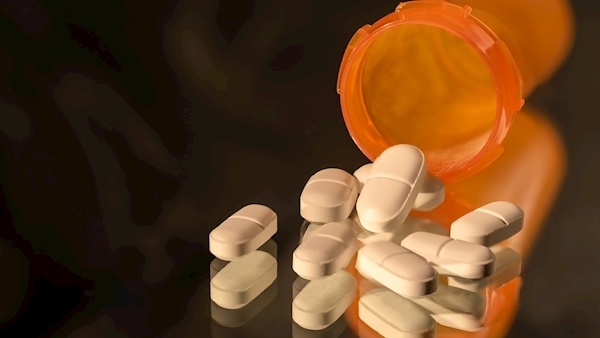
Johnson & Johnson (J&J) has offered to pay $4bn (€3.6bn) to settle all claims accusing the company of helping fuel the US opioid epidemic, as part of a potentially larger deal involving drugmakers and distributors that could top $20bn.
J&J’s overture came on the heels of a proposal by distributors McKesson, Cardinal Health, and Amerisource Bergen to pay $18bn to wipe out all opioid suits against those companies, according to people familiar with the proposal.
The money would be paid in annual $1bn increments, according to the sources.
J&J and the distributors — which together deliver the majority of prescription medications to US pharmacies — made the proposal in talks with a group of state attorneys general, sources said.
The proposals came on the eve of the first federal trial in Cleveland over responsibility for the crisis.
J&J shares gained over 2%, while McKesson shares rose more than 7% and Cardinal and Amerisource Bergen each gained over 5%.
Teva Pharmaceutical, another drug manufacturer targeted in the US-wide litigation, offered to give away more than $15bn in generic drugs, including those that help fight opioid overdoses, to resolve all of its cases, said the sources.
That agreement would run over 10 years.
If all the proposals are accepted, the Cleveland trial likely will be put off, given that the three distributors and Teva are the main defendants, the sources said.
In the trial, two counties are seeking reimbursement for the hundreds of millions spent on the fallout from opioid addictions and overdoses.
“As we’ve stated previously, we remain open to viable options to resolve these cases, including through settlement,” Ernie Knewitz, a J&J spokesman, said in a statement.
The drugmaker agreed earlier this month to pay $20.4m to two Ohio counties to avoid a federal trial, but that didn’t extend to any other opioid claim.
Some analysts have said it may take as much as $150bn to resolve all the opioid cases.
US states, cities, and counties claim opioid makers, including J&J and Teva, downplayed the painkillers’ health risks and oversold their benefits through hyper-aggressive marketing campaigns.
Distributors are accused of ignoring red flags about the misuse of the painkillers and illegally flooding states with pills.

CONNECT WITH US TODAY



Be the first to know the latest news and updates