Brexit and tax threaten elevated Irish debt level
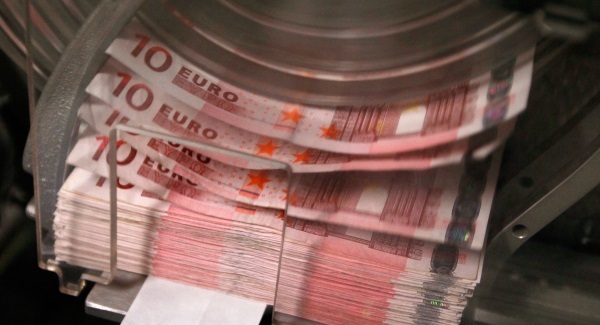
A crash-out Brexit or a shock that turned off the flow of corporate tax receipts would keep Irish sovereign debt at elevated levels for many years to come, the Central Bank has warned.
Researchers Thomas Conefrey, Rónán Hickey, and Graeme Walsh said debt levels have dramatically improved since the country emerged from the bailout but that they nonetheless remain very high by international standards.
Their research bulletin, Managing Risks to the Public Finances, warns that “a disorderly” Brexit or a loss of corporation tax receipts would hit the Irish sovereign hard and lead to debts remaining above 90% when measured against modified national income. That measure gives a more accurate picture of national wealth by stripping out the accounting distortions caused by multinationals.
Irish sovereign debt remains elevated because of the “scale of the borrowing undertaken during the crisis”, the researchers warn.
“A disorderly Brexit or a loss of corporation tax revenue accompanied by a slowdown in the international economy would both result in a material increase in the government debt. If either risk materialised, our estimates suggest that the government debt-to-income ratio could increase by between 10 and 20 percentage points above current central projections, leaving the level of the debt ratio in both scenarios greater than 90% well into the middle of the next decade,” they said.
Meanwhile, the latest eurozone business surveys suggest growth stalled this month, dragged down by shrinking activity in powerhouse Germany, where a manufacturing recession deepened unexpectedly.
The downbeat survey results come less than two weeks after the ECB pledged indefinite stimulus to revive the ailing economy.
IHS Markit’s Purchasing Managers’ Index (PMI), seen as a good guide to economic health, suggested support for stuttering activity is needed.
“Declines were broad-based, across countries and sectors. The composite measure fell to a new cycle-low in a sign that the economy may be inching closer to contraction,” economists at Morgan Stanley told clients.
The eurozone economy expanded 0.2% in the second quarter, official data showed last month, and the average PMI for this quarter suggests growth could now be weaker.
“With the eurozone’s manufacturing sector in the doldrums and services activity starting to lose pace, there is little reason to think that GDP growth will pick up as the ECB and the consensus forecasts assume,” said Jack Allen-Reynolds at Capital Economics.
The ECB trimmed its deposit rate further into negative territory earlier this month and promised bond purchases with no end-date to push borrowing costs even lower — its last big policy moves under outgoing chief Mario Draghi, who leaves next month.
And figures from Germany, Europe’s largest economy, showed private-sector activity shrank for the first time in six and half years as a manufacturing recession deepened unexpectedly and growth in the service sector lost momentum.
While there are no signs of a turnaround yet, the German Economy Ministry said earlier this month that the country was not facing a bigger downturn or a pronounced recession after contracting slightly in the second quarter.
But several institutes have said the economy would slide into recession this quarter.
In France, the eurozone’s second-biggest economy and the only other member for which flash numbers are published, growth slowed unexpectedly.
Additional reporting Reuters
CONNECT WITH US TODAY



Be the first to know the latest news and updates











