Pernod plots expansion as Jameson drives growth
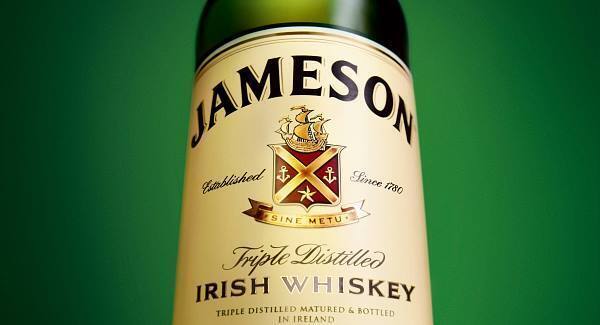
Drinks company Pernod Ricard has reported its strongest earnings growth in seven years, largely boosted by a 6% jump in global sales of Jameson Irish Whiskey.
Jameson racked up sales of 7.7 million cases in the year to the end of June and is now seeing double or triple-digit sales growth in more than 70 countries.
Its growth was driven by sales of its prestige range including Redbreast, the Spot range, and Jameson Black Barrel. The US, South Africa, Russia, Ireland and the UK are Jameson’s chief markets, but it is now growing in Canada and emerging markets like Nigeria, India, Mexico and Brazil.
“We continue to develop our historically strong markets while penetrating new markets”, said Conor McQuaid, chairman and chief executive of Irish Distillers, Pernod Ricard’s Ireland-based subsidiary.
On a group-wide basis, Pernod Ricard which is second only in size to Guinness-maker Diageo, increased profits from recurring operations by 9% to €2.58bn.
Its other chief driver of growth was surging demand in China, where sales rose 21% and where the French drinks company is looking to benefit further from the building of a $150m (€135m) distillery in Sichuan province which will make single malt whiskey.
The company also announced the $223m purchase of New York-based Castle Brands to add Jefferson’s bourbon to its portfolio in a bid to lift flat US sales.
Pernod Ricard is under pressure from 2.5% shareholder US hedge fund Elliott to improve profit margins and corporate governance. It also announced a €1bn share buyback.
In February, Pernod vowed to lift its margins and shareholder returns under a three-year strategic plan Elliott has described as a first small step.
For the year ahead, Pernod Ricard struck a cautious note, citing a “particularly uncertain environment”. It predicted a ‘soft’ first quarter due to unfavourable comparisons in Asia, but it also forecast a dynamic start in the US after a flat performance so far this year.
The group cited fears of a no-deal Brexit, and trade disputes between China and the US, as well as US threats of tarriffs on Europe as negative factors.
CONNECT WITH US TODAY



Be the first to know the latest news and updates