Next shares surge as it defies Brexit retail gloom
Fashion chain Next shrugged off Brexit retail gloom with a surprise 4% rise in full-price sales, helping drive its shares to their highest in a year.
The company raised its outlook after marking down less stock than previously in its end-of-season sale and saw stronger demand in July for newer ranges, with new arrivals including maxi dresses and graphic sweatshirts.
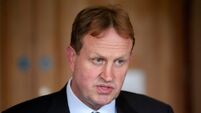
Chief executive Simon Wolfson said full-price sales in its first quarter through July were boosted by not clearing as much surplus stock in its half-price sale.
Next, which vies with rivals, including Marks & Spencer, for the position of top clothing retailer in the UK, had predicted a 0.5% fall in full-price sales, reflecting a tough comparison with last year when the weather was exceptionally hot.
The company reported a 3% rise in May and June, which Mr Wolfson said was the best indicator of underlying demand, and a strong rise of 6.8% in July.
Mr Wolfson said the results, which bucked the weak trend seen elsewhere in UK retail, were better than expected, although all of the company’s sales growth came online. Next has 510 stores across Britain and Ireland, as well as about 200 stores in 40 other countries and also sells extensively online. “We have improved the stock management in our stores, so have really focused on getting the right amount of stock to the right stores,” he said.
“We cut down the amount of deliveries to our stores last year, which in hindsight was a mistake, we have reinstated those deliveries which has definitely helped,” Mr Wolfson added.
Liberum analyst Wayne Brown, who has a buy recommendation on Next, said the company was clearly taking market share. “Stock levels are very much under control and this has likely led to gross margin improvements.” Shares of Next were up over 8% after hitting their highest since July 2018 to value the retailer at £7.5bn (€8.2bn). Even discounter Dublin-based Primark had highlighted weaker trading in May followed by a stronger June.
Mr Wolfson said he had seen no evidence of consumer spending being hit by worries over Brexit.
- Reuters and Irish Examiner
CONNECT WITH US TODAY



Be the first to know the latest news and updates