North can set corporation tax rate if talks are successful, says Osborne
The power to set corporation tax rates in Northern Ireland will be devolved to the power-sharing Executive if the North's politicians can reach agreement in an ongoing all-party talks initiative, the chancellor has announced.

North can set corporation tax rate if talks are successful, says Osborne

The power to set corporation tax rates in Northern Ireland will be devolved to the power-sharing Executive if the North's politicians can reach agreement in an ongoing all-party talks initiative, the chancellor has announced.

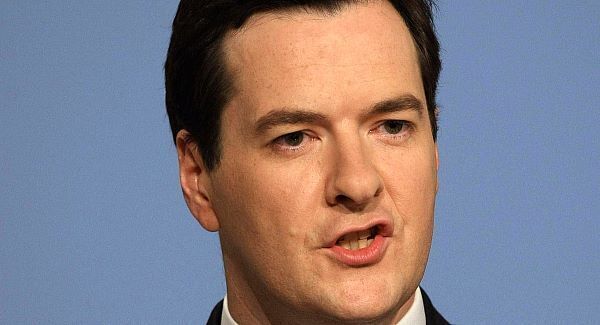
George Osborne said the devolution of the power was dependent on a successful outcome of the negotiations aimed at resolving major logjams creating instability in the Stormont administration.

As well as long-standing peace process disputes on flags, parades and the legacy of the past, the talks between the five parties in the mandatory coalition are also trying to find consensus on budgetary disputes, including the failure to implement the UK government’s welfare reforms in the region.

In his autumn statement to the House of Commons, Mr Osborne directly linked the devolution of the tax powers to progress in the talks.

“The Treasury believes it can be implemented provided the Northern Ireland Executive can show it is able to manage the financial implications,” he said of corporation tax responsibility.

“The current talks will see if that’s the case and, if it is, the Government will introduce legislation in this parliament.”

Legislation would have to be passed both at Westminster and Stormont before the North's rate could be cut from the current 21% UK rate.

The Executive has identified the power as a potentially key economic lever to attract new business investment and therefore drive private sector growth in a place viewed as overly-reliant on the public sector.

In a long lobbying campaign for the taxation power, ministers in Belfast have repeatedly stressed that the North was a special case in terms of the rest of the UK as it shares a land border and therefore directly competes with the Republic of Ireland, where business tax rates are significantly lower.

The Executive argued that the damaging legacy of the Troubles also made the need for private sector stimulus in the North more acute.

But the issue is far from straightforward.

Any loss in revenue generated from cutting corporation tax to the 12.5% that operates across the Irish border would result in a reduction in Northern Ireland’s block grant funding allocation from the British Treasury.

So, if they are given the powers, Stormont ministers would have to determine whether the economic kick-start they hope to deliver will, at the very the least, off-set a loss to the public finances that could be in the region of hundreds of millions of pounds annually.

Unions have warned against taking such a hefty chunk off public spending.

Corporation tax was not among the powers recommended for the Scottish Government in last week’s Smith Commission report on beefed-up devolution.

Scottish First Minister Nicola Sturgeon has said she would welcome Northern Ireland getting the powers but at the same time would question why Scotland was not granted them.

x

More in this section

The Business Hub

Newsletter

News and analysis on business, money and jobs from Munster and beyond by our expert team of business writers.

Cookie Policy Privacy Policy Brand Safety FAQ Help Contact Us Terms and Conditions

© Examiner Echo Group Limited