US stocks rise after Summer quits
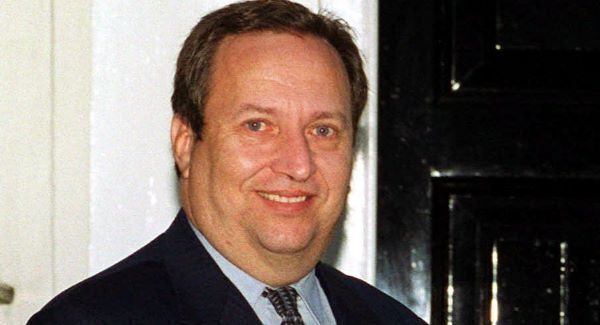
Wall Street was happy to see Larry Summers go.
Stocks rose yesterday after Mr Summers, who had been the leading candidate to replace Federal Reserve chairman Ben Bernanke, withdrew his name from consideration.
Mr Summers, a former Treasury secretary, was viewed as being more likely to rein in the government’s massive stimulus programme, which has kept interest rates low and boosted corporate profits.
Stocks were also helped by news that US factory output rose 0.7% in August, the most in eight months.
The Dow Jones industrial average rose 118.72 points, or 0.8%, to close at 15,494.78. The Standard & Poor’s 500 index rose 9.61 points, or 0.6%, to 1,697.60. The Nasdaq composite fell 4.34 points, a fraction of a percent, to 3,717.85, pulled down by a loss in Apple.
Nine of 10 sectors in the S&P 500 rose, led by industrial stocks. Only technology stocks declined.
At its highest point in late morning trading, the S&P 500 was within five points of its previous record close of 1,709.67, set on August 2.
That worried Brad McMillan, chief investment officer for Commonwealth Financial.
He said there are risks that investors do not seem to be accounting for in the prices they are paying. The Syria situation might not be resolved as easily as some are assuming. Europe’s debt crisis is not over. Investors seem to believe corporate profits will keep growing as fast as they have been, even though cheap debt refinancing has driven much of that growth. And there’s another debate upcoming in Washington about the US debt ceiling.
“The last time we had a real problem with it, it did result in a significant market correction,” Mr McMillan said.
Linda Duessel, market strategist at Federated Investors in Pittsburgh, said it is just as likely that some of those issues will turn out in ways that do not hurt stocks.
And even if one of those issues causes stocks to decline, “that could be the correction that any us of who have cash on the sidelines are waiting for,” she said.
The Fed has been buying $85bn per month in bonds, which has had the effect of keeping interest rates low and reduced borrowing expenses for companies.
The Fed has been saying for months that it will slow that stimulus once there is a better outlook for jobs. The question has been how soon, and how much. The consensus with Mr Summers was, sooner, and more. That is why stocks rose once investors found out he will not be the next Fed chief.
The president is expected to nominate Ben Bernanke’s successor as early as this month. The new frontrunner is Janet Yellen, the Fed’s vice chairwoman.
The Fed is expected to take its first step toward reducing that stimulus in a two-day policy meeting that ends tomorrow. Many economists think it will trim $10bn from its monthly bond purchases.
The yield on the 10-year Treasury note declined more than a tenth of a percent earlier in the day, but regained most of that, and finished at 2.87%, down from 2.88% late on Friday. The dollar fell against the yen and the euro.