How Apple has fought to get the iPhone X made on time
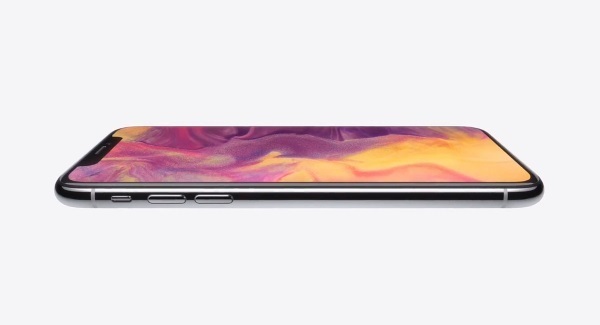
As Wall Street analysts and fan blogs watched for signs that the company would stumble, Apple came up with a solution: It quietly told suppliers they could reduce the accuracy of the face-recognition technology to make it easier to manufacture, according to people familiar with the situation.
With the iPhone X set to debut on November 3, we’re about to find out whether the move has paid off.
Some analysts say there may still be too few iPhone Xs to meet initial demand. Ming-Chi Kuo of KGI Securities predicts Apple will have two million to three million handsets available on launch day and 25m to 30m units for the US holiday quarter, down from his previous forecast of 40m. For comparison, Apple sold 78m phones during the same period last year, although that included all models.
Apple is famously demanding, leaning on suppliers and contract manufacturers to help it make technological leaps and retain a competitive edge. The company’s decision to downgrade the accuracy of its Face ID system — if only a little — shows how hard it’s becoming to create cutting-edge features that consumers are hungry to try.
And while Apple has endured delays and supply constraints in the past, those typically have been restricted to certain iPhone colours or less important offerings such as the Apple Watch. This time the production hurdles affected a 10th-anniversary phone expected to generate much of the company’s revenue. Apple declined to comment.
About a month ago, Foxconn Technology pulled as many as 200 workers off an iPhone X production line.
Apple was struggling to get sufficient components for the phone and needed fewer people to put it together. The main culprit, the sources said, was the 3D sensor that recognises faces and unlocks the handset. Foxconn declined to comment.
The sensor was always going to be a major technical challenge. Despite demanding the near impossible, Apple didn’t add extra time to get it right — giving suppliers the typical two-year lead time. The tight schedule underestimated the complexity of making and assembling exceedingly fragile components, said one of the people familiar with the production process. That left suppliers short on time to prepare their factories and explains why the iPhone X is being released a full six weeks later than the iPhone 8, said this person.
The 3D sensor has three key elements: A dot projector, flood illuminator, and infrared camera. The flood illuminator beams infrared light, which the camera uses to establish the presence of a face. The projector then flashes 30,000 dots onto the face which the phone uses to decide whether to unlock the home screen.
The system uses a two-stage process because the dot projector makes big computational demands and would rapidly drain the battery if activated as frequently as the flood illuminator. The dot projector is at the heart of Apple’s production problems. In September, The Wall Street Journal reported that Apple was having trouble producing the modules that combine to make the dot projector, causing shortages.
The laser beams light through a lens known as a wafer-level optic, which focuses it into the 30,000 points of infra-red light projected onto the user’s face. For months, Apple investors have fretted that a shortage of iPhone Xs would send consumers into the arms of rival smartphone makers.
Apple seems to have overcome the biggest production hurdles. The 3D sensor shortage is expected to end in early 2018. Even so, signs of weakness in iPhone 8 sales means Apple could sell fewer handsets than last year — despite all the fanfare.
Bloomberg

CONNECT WITH US TODAY



Be the first to know the latest news and updates