UK building slowdown hits sterling
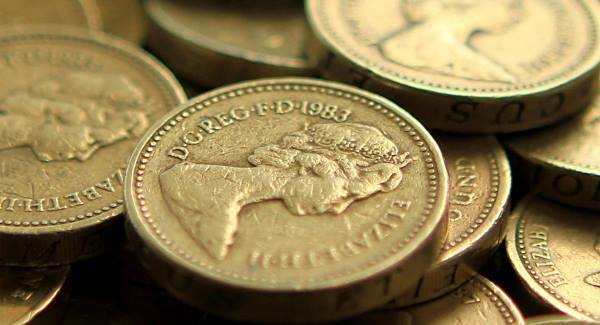
Growth in construction firms in Britain fell unexpectedly to a one-year low in August, hit by an investment slump in the commercial sector as Brexit uncertainty weighed on the economy, a survey showed.

UK building slowdown hits sterling

The fall in the Markit-CIPS Construction Purchasing Managers’ Index hit sterling which fell to below 92p against the euro.

The survey underlined the uncertain outlook for an economy that has become increasingly difficult for the Bank of England to gauge.

A similar survey of manufacturers published last week had hinted at a strengthening of economic growth in the second half of the year.

Britain’s economy had its slowest first half of the year since 2012 as households came under pressure from a big rise in inflation following the fall in sterling caused by last year’s Brexit vote.

So far, construction, manufacturing and exports have failed to compensate for the consumer slowdown.

Housebuilding was the only construction sector to generate significant growth during August, the PMI showed.

“There were signs that UK construction firms are bracing for the soft patch to continue into this autumn, with fragile business confidence contributing to weaker trends for job creation and input buying during August,” said Tim Moore, an associate director at IHS Markit, said.

Survey compiler IHS Markit said the murky economic outlook for Britain weighed on commercial building, with clients delaying spending decisions or even scaling back projects.

New orders across construction as a whole fell for a second month, albeit not as sharply as in July.

Construction makes up around 6% of British economic output.

Meanwhile, the few savvy investors who foresaw this year’s rally in the euro now say the currency may lose steam against the dollar.

UBS Wealth Management, which predicted at the start of the year that the common currency may climb, sees a correction on the cards as it bets that the ECB will start unwinding its stimulus slower than the market expects. Its projection of $1.15 (€0.96) stood out given its contrarian nature at a time when the majority of forecasters surveyed expected it to slip to around $1.03 or even parity.

The euro began the year on a bleak note as analysts were bullish on the dollar given the lofty expectations surrounding then newly elected US President Donald Trump’s fiscal reforms.

The euro, however, defied sceptics to rally in the absence of tax reforms in the US, an improvement in the eurozone economic outlook and ebbing European political risks.

Reuters and Bloomberg

More in this section

The Business Hub

Newsletter

News and analysis on business, money and jobs from Munster and beyond by our expert team of business writers.

Cookie Policy Privacy Policy Brand Safety FAQ Help Contact Us Terms and Conditions

© Examiner Echo Group Limited