Almost 200,000 empty properties are key to alleviating housing crisis
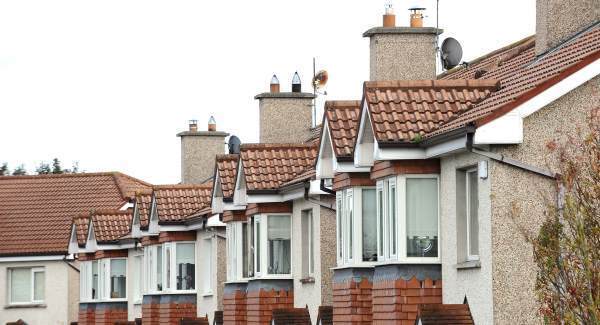
There are 7,167 people in emergency accommodation in Ireland and many thousands more without a place to call home. Yet, there are 198,358 empty homes. About 13% of the housing stock is vacant, twice the level of a functioning housing market.
This “low-hanging fruit” offers significant opportunities to provide permanent homes for people who urgently need them.
To have so many people without homes, and so many homes without people, is unacceptable.
In Cork, there are 269 adults living in emergency accommodation, while there are 21,287 empty homes.
In Dublin, there are 3,247 adults in emergency accommodation and 35,293 empty homes. In Limerick, there are 252 adults living in emergency accommodation and 8,463 empty homes. The list goes on, right around the country.
The Government has committed, in its Rebuilding Ireland action plan for housing and homelessness, to developing a national vacant housing re-use strategy, and this is due out in the second quarter of 2017.
The Simon Communities have developed a 10-point Empty Homes Plan: This has a range of solutions that we believe should be included in the re-use strategy.
We must encourage people who own empty homes to consider leasing, letting, or selling them.
The now nationwide repair and leasing scheme is a step in the right direction, but the targeted return of 3,500 properties is not ambitious enough. It represents only 1.8% of total vacant properties in the State.
This needs to be revised upwards. The buy and renew scheme provides funding for the delivery of social housing.
We want clear targets and mechanisms for approved housing bodies (these are non-profit organisations, whose purpose is the provision and management of housing) to engage with the scheme.
This will enable people to move out of emergency accommodation and into housing with support. This is the best way to end homelessness. Incentives could encourage the renting or leasing of the family home for those involved in the Fair Deal scheme.
Participants of the Fair Deal scheme should be able to rent out their homes tax-free up to a certain value.
The use of compulsory purchase orders (CPOs) under existing legislation, and the introduction of compulsory leasing orders (CLOs), should be considered, given the devastating impact that the housing-and-homelessness crisis is having on people’s lives.
These would target properties that are vacant for more than 12 months and where the owner has not availed of the incentives.
CLOs would allow local authorities to seek permission to force a lease on an owner of an empty property and then undertake refurbishment costs to make the property ready for letting.
The property could then be used as social housing and the rent could offset the cost of refurbishment. In addition, a property tax should be introduced for houses that are empty for more than 12 months.
Such a tax could be calculated on the basis of property value or potential rental income, and could be increased the longer a property remains vacant. Any such measures should be proportionate and targeted at areas of greatest housing need.
There is an urgent need for improved data collection and monitoring. We need a real-time database, with formal communication and data-sharing structures between relevant bodies.
Currently, we cannot wholly gauge the entirety of the problem and the suitability of empty houses for use. It is essential that such databases are established immediately.
All necessary resources, finance, and personnel must be provided at national and local authority level, so that empty houses can be put to use quickly as homes.
This involves the aforementioned data collection and research; it also means ensuring that there are people at local authority level who have the necessary planning, regulatory, and technical know-how.
There should also be targeted public awareness and outreach campaigns to identify, negotiate, and liaise with property owners.
There must be political will, at both a national and local level.
The use of these empty homes alone will not solve the current crisis or prevent future housing crises, but if we could turn around even half of the 198,358 empty houses, this would end the trauma for the nearly 100,000 people who are living their lives stuck in the awful limbo of homelessness and housing insecurity.
CONNECT WITH US TODAY



Be the first to know the latest news and updates