Michael Noonan: Tax laws will stop UK haven plans
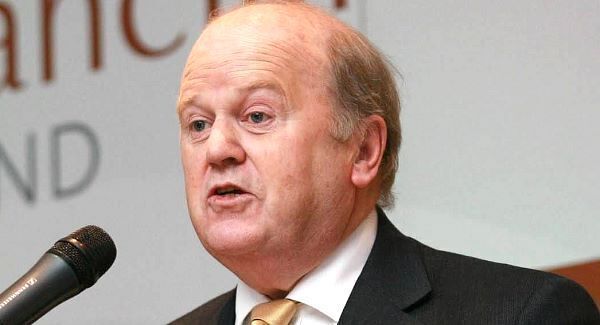
Prime Minister Theresa May will be bound by Organisation for Economic Cooperation and Development guidelines after Brexit, Mr Noonan said yesterday at the World Economic Forum in Switzerland, when asked if the UK could become a lightly regulated, low-tax rival for the EU.
Potential UK company tax cuts arenât a major concern, Mr Noonan said.
Asked if the UK could become similar to Singapore in terms of corporate-tax regime, Mr Noonan responded âno, itâs not possibleâ because of OECD guidelines curbing tax breaks.
The Government is hoping the 12.5% corporate tax rate will aid its race to win finance jobs that may move from London as the UK prepares to leave the EU. Thereâll be a âlot of movement into Dublin,â said Mr Noonan, adding that some UK-based bankers are already checking out schools in Dublin for their teenage children.
Separately, IDA chief executive Martin Shanahan said it had over 20 meetings with existing investors and potential clients at Davos.
Meanwhile, UK chancellor Philip Hammond told a Davos gathering yesterday that an inflation pickup will put a damper on consumers this year.
The first signs may already be appearing. Less than an hour before Mr Hammond spoke, UK data showed retail sales fell at the fastest pace in almost five years in December, recording a 1.9% drop that far exceeded even the most pessimistic forecasts.
Possible explanations include price increases and consumers scaling back purchases after taking advantage of Black Friday discounts the previous month.
The decline could be a portent of 2017, with sterlingâs drop since the June vote to leave the EU boosting import costs and fuelling a sharp upturn of inflation.
That means UK consumers, who have weathered the Brexit vote so far, now face a squeeze that will eat into real incomes. That could potentially hurt growth in an economy that relies heavily on their enthusiasm for spending. While the slowdown in 2017 may not be as sharp as initially expected, cooler growth is predicted.
Both the UKâs Office for Budget Responsibility and the Bank of England forecast expansion of 1.4% this year, down from just above 2 % in 2016. Mr Hammond said a weaker consumer is partly behind that view.
âThe currency depreciation is now feeding through into inflation which will increasingly affect consumer behaviour during this year,â he said at the World Economic Forum Annual meeting.
âHence the lower forecast for economic growth in 2017 as that inflation effect takes place.â
Much of the economic impact of the Brexit vote depends on the deal Ms May ends up securing with EU leaders.
She said this week the country will not remain part of the EUâs single market of more than 500m consumers or the customs union, though indicated she will seek maximum possible access across âfrictionlessâ borders.









