UK data falters amid single-market warning
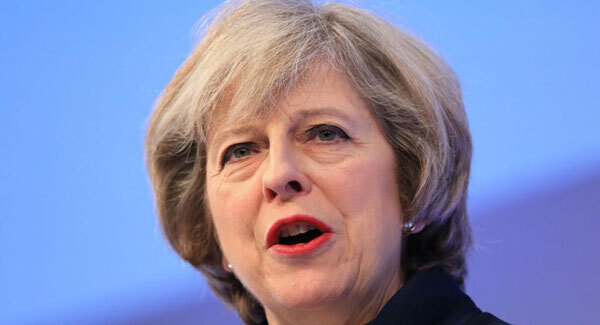
British prime minister Theresa May intends to launch the two-year process of negotiations to leave the EU by the end of March and some members of her government have suggested this could include paying to maintain access to the single market.
However, Jonathan Faull, who worked in the commission for 38 years until retiring in 2016, said paying to access the tariff-free zone was not how the EU worked.
“Can you buy access to the single market? It’s not something that’s on sale in that way,” he told the BBC.
That contrasts with the idea by Brexit minister David Davis, who has said that, after the UK leaves the EU, giving it control over migration, the country could continue to make payments into the EU budget to maintain access for its exporters to the single market.
Ms May has so far said little publicly about her negotiating position ahead of what are expected to be some of the most complicated international talks Britain has engaged in since the Second World War.
Some investors fear the government will prioritise curbing immigration, a ‘hard Brexit’, over ensuring Britain maintains single market access.
Mr Faull dismissed the idea that Britain could have an arrangement with the bloc similar to that of non-EU member Norway, saying that Norway makes budgetary contributions to the EU as well as accepting the free movement of people.
Data published yesterday showed that British labour costs rose at the fastest annual rate since late 2013 in the three months after the country voted to leave the EU, despite continued steady growth in productivity.
Annual growth in unit labour costs (an underlying driver of inflation watched by the Bank of England) edged up to 2.3% in the third quarter of 2016 from 2.2% in the second quarter.
Figures also showed that a spending spree by British shoppers in the week before Christmas failed to prevent retail sales in December from falling short of the previous year’s level.
Robust growth in consumer spending has been one of the main factors sustaining Britain’s economy since the Brexit vote, but many retailers fear a squeeze on spending as inflation begins to erode real earnings growth in 2017.
Like-for-like retail sales in December fell 0.1% in the year, according to BDO, the accountancy and business advisory firm. However, online sales in the month rose 19% annually, further evidence of a continuing shift in shopping habits.
“With such a weak base for December 2015 [when sales fell 5.3%] any further decline can only be seen as a poor result for retailers,” said Sophie Michael, head of retail and wholesale at BDO.
“Coming at a critical juncture, this fourth negative December in succession highlights the magnitude of the challenge that lies ahead for 2017,” she said.
On Wednesday, clothing retailer Next cut its profit forecast for the current financial year and warned of a further decline in 2017-18. Next week sees Christmas trading updates from the likes of Debenhams, ASOS and Marks & Spencer.

CONNECT WITH US TODAY



Be the first to know the latest news and updates











