Gold price falls as prospects for higher US borrowing costs dampen
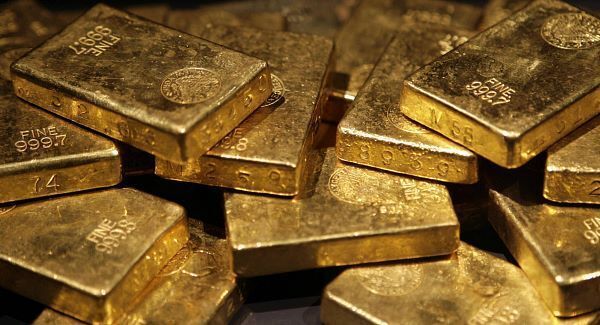
Prices have fallen for six straight weeks, the worst streak in a year, as prospects for higher US borrowing costs damped demand for gold, a non-interest-bearing asset.
Investors don’t seem too optimistic about the outlook for 2017.
Hedge funds cut their bets on a rally to the lowest since February, while outflows are ramping up from exchange-traded funds.
After the metal’s best first half since 1979, bullion has been losing its lustre as US equities rallied to records.
A stronger dollar and rising bond yields have also crimped demand for the alternative asset.
US Federal Reserve officials last week signalled a steeper path for interest rates in 2017.
“People are still too optimistic on gold,” said John LaForge, the Sarasota, Florida-based head of real assets strategy at Wells Fargo Investment Institute.
“We’re in a price purgatory for a lot of commodities, including gold. You’re going to have a lot of investors and strategists like myself reduce their price forecasts,” he said.
The net-long position, or bets on price gains, for gold declined 15% in the number of contracts last week.
Prices touched $1,124.30 an ounce on December 15, the lowest since February.
Earlier this year, bullish sentiment for gold was partly driven by political uncertainty as Britain voted to exit the EU and amid a heated US election cycle.
Just before Americans took to the polls on November 8, gold was trading near a one-month high.
Since then, prices have slumped about 11% as there’s been relative calm in the election aftermath and as equities rallied on president-elect Donald Trump’s pro-business policies.
Investors are positioning for more stability. In the month through December 15, they pulled $6.2bn (€5.92bn) from ETFs tracking precious metals -- the largest withdrawal across asset classes.
The biggest casualty was SPDR Gold Shares, the top fund backed by bullion.
While assets in the gold ETFs are still up for the year, Goldman Sachs estimates that the “vast bulk” of the holdings are losing money at current prices, analysts said last month.
Even the physical market doesn’t look promising. China in November refrained from adding to its gold reserves for the first time in six months, according to People’s Bank of China data.
Imports to India are down 43% in the first 11 months of the year compared with 2015. The countries are the world’s top bullion buyers.
CONNECT WITH US TODAY



Be the first to know the latest news and updates