Norway fund cuts UK property investments
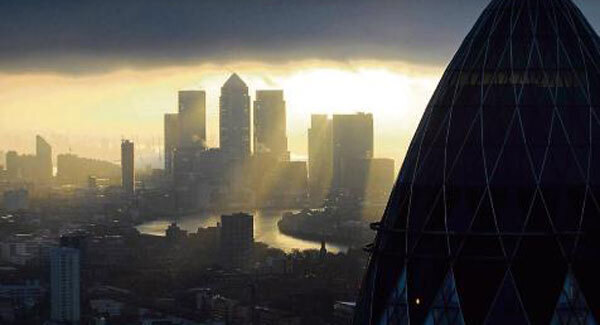
“It’s an extraordinary measure,” deputy chief executive Trond Grande said at a press conference in Oslo as he presented second-quarter results.
Given a pick up in the listed real estate market in the third quarter “we at least have no indication that it should be adjusted further down,” he said.
The fund lost 1.6% in the second quarter on its 168 billion-krone (€18bn) unlisted real estate holdings, the investor said yesterday.
The fund owns large swathes of real estate in the UK, including Regent Street properties in a partnership with the Crown Estate.
In July, after the Brexit vote, it also bought an office and retail property on London’s Oxford Street.
Overall, the fund returned to gains in the second quarter even as it warned low interest rates will put pressure on its ability to generate returns amid rising withdrawals from the government.
The Government Pension Fund Global gained 94 billion kroner, or 1.3%, after losing 0.6% in the first quarter. Its stock portfolio rose 0.7% and its bond holdings gained 2.5%.
The fixed-income investments delivered “gains due to falling interest rates,” Mr Grande said.
“In the long term, however, lower interest rates have negative implications for future returns on the fixed-income portfolio.”
The fund, which largely follows global indexes, has been whipsawed over the past year by market turmoil stirred up by concerns over growth in China, a rout in commodities and most recently, the UK vote to leave the EU.
The Norwegian government is at the same time making its first ever withdrawals to cover budget holes caused by the plunge in crude prices the last two years.
Government withdrawals from the fund totaled 24bn kroner in the second quarter, up from 21bn kroner in the first quarter.
The fund, which received its first capital transfer in 1996 and gets investment guidelines from the government, held 59.6% in stocks, 37.4% in bonds and 3.1% in real estate at the end of the quarter. It’s mandated to hold 60%, 35% and 5% in those asset classes, respectively.
The return in the quarter trailed the benchmark set by the Finance Ministry by 0.1 percentage point.
The biggest stock investments were Nestle, Royal Dutch Shell and Apple. Its biggest bond investment were US, Japan and Germany.

CONNECT WITH US TODAY



Be the first to know the latest news and updates