Bank of England rate cut seen as sure bet
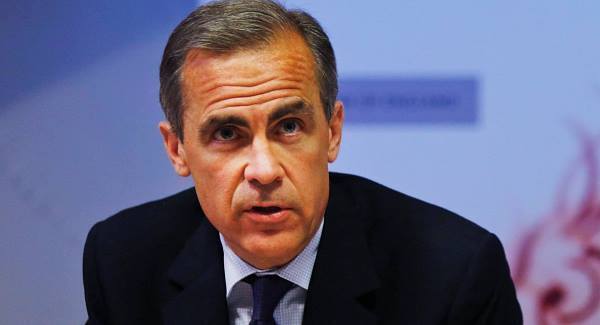
The shock outcome to the Brexit poll roiled financial markets and led many economists and traders to think the bank would cut rates at its meeting this month — which it failed to do.
Minutes from that meeting did, however, show most of the Monetary Policy Committee members thought looser monetary policy was likely to be needed at the August meeting.
All but three of the 49 economists surveyed since Friday expect the bank to cut at least 25 basis points on August 4 from the already record low 0.5% it has sat at since early 2009. The median forecast was for a cut to 0.25%.
While 17 of 36 said the £375bn (€448.5bn) quantitative easing programme that was wound down in 2012 would also be restarted by the committee next week, 19 said it would not.
For those who thought QE would be restarted, the range of forecasts was wide, with a highest forecast of £550bn.
“The extra stimulus one would get from doing it now wouldn’t be that great. They want something to leave for an even rainier day,” Daniel Vernazza at UniCredit said.
Peter Dixon, economist at Commerzbank, took a similar view. “I am inclined to go for no QE this month with a rate cut sufficing for now. For one thing, I think the BoE will want to keep some dry powder in the event that the weakness in the sentiment data materialises in the hard data.”
A Markit/CIPS PMI survey published last week showed its biggest drop in its 20-year historyand other similar surveys have pointed sharply in the same direction. That has made it seem more likely for many that Britain’s economy will slide back into recession in the coming year.
A Reuters poll published last week showed growth predictions were already being cut across the board.
Indeed, a week after saying he needed firmer evidence before backing an interest rate cut, policymaker Martin Weale said he saw the economic outlook differently following much weaker-than-expected British purchasing managers’ data.
Ross Walker, economist at RBS, said he expects more QE, just not until later this year. If it becomes increasingly likely the government turns to fiscal stimulus in its budget next year, it would make sense for a government bond purchase programme to be in place, he said.

CONNECT WITH US TODAY



Be the first to know the latest news and updates