RBS chief: Brexit to delay sale by ‘a couple of years’
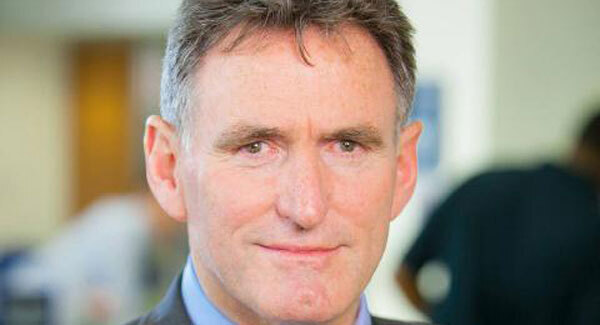
The British government’s sale of its stake in Royal Bank of Scotland Group (RBS) has been delayed by at least two years after the UK voted to leave the EU, according to chief executive Ross McEwan.

RBS chief: Brexit to delay sale by ‘a couple of years’

“This will be a setback, let’s be quite honest, I think at least a couple of years we’ll be pushed back because of it,” Mr McEwan said in an interview yesterday.

“You are seeing a slowdown. We’re predicting growth in GDP will slip this year.”

Mr. McEwan said his economists estimate UK GDP growth falling to 1.6% this year from a previous estimate of 2%, dropping to 0.8% in 2017.

While he doesn’t predict a recession, “until we get certainty in the economy, people will hold back on investments,” he said.

“We have been knocked around by interest rates lower for longer, therefore investors are saying ‘your returns won’t be as good,’” Mr. McEwan said.

“This bank will produce a very good return as we go into 2018, we’ll get ourselves up to a 12%+ return on equity, even though we have got more capital.”

Mr. McEwan said he “welcomed” the British government’s proposal to lower the UK corporate tax rate to 15% to mitigate the economic impact of Brexit, after the pound lost 11% of its value since the referendum and as other EU nations seek to lure business from the UK.

“One of the key things to me is holding onto pass- porting,” Mr. McEwan said, referring to the agreement that lets companies based in London do unrestricted business throughout the single EU market.

“If we don’t get pass-porting it’s inevitable some jobs will disappear, but from our perspective it will only be tens,” because the bank is focused on the UK and Ireland, he said.

A Brexit-induced econ omic slump is the latest headache for Chancellor George Osborne, who has planned to raise about £25bn disposing of the UK’s stake in RBS by 2020.

The bank has been hampered by billions of pounds of misconduct costs, a delayed spin out of its Williams & Glyn unit and a plunging share price.

The UK owns about 72% of the lender, which has made a loss every year since receiving a £45.5bn taxpayer-funded bailout amid the 2008 banking crisis.

More in this section

The Business Hub

Newsletter

News and analysis on business, money and jobs from Munster and beyond by our expert team of business writers.

Cookie Policy Privacy Policy Brand Safety FAQ Help Contact Us Terms and Conditions

© Examiner Echo Group Limited