Property boom? A county guide to house prices and rental rates

back… and with a bang that, in normal circumstances, would have all hallmarks of another potential boom.
The Irish property market recorded its busiest year in 2015 since the start of the economic downturn in 2008 with strong growth figures in practically every sector.
However, the growing housing crisis means it is likely that the trend will continue this year and that the country is facing a return to the Celtic Tiger level of activity in the industry.
With relatively few properties coming on the market, combined with low level of construction activity, 2015 might come to be seen as a recent peak.
An analysis by the Irish Examiner of the Residential Property Price Register and the Private Residential Tenancies Board Rent Index provides a composite view f how both markets fared against a background of a housing crisis where affordability has become a key issue for both prospective buyers and tenants.
Although new restrictions introduced by the Central Bank for mortgage lending in the latter half of last year applied a brake on rising house prices, an increase in the number of buyers combined with a shortage of properties coming on the market has ensured price levels rose steadily, if not spectacularly, during 2015.
Follow the latest on the Dáil's special housing and homelessness committee here
An analysis of all full-price transactions recorded in the RPPR during 2015 shows annual sales jumped by over 16% to 46,800 transactions — over 6,500 more than the previous year.
It’s the highest yearly number of property sales listed since the RPPR was established in 2010. It is also a figure that is unlikely to be exceeded in 2016.
The value of all such sales grew by a similar proportion — up 17% to more than €10.5bn.
There was more moderate growth in the median price of all homes sold last year. At €169,115, it was up €12,115 on 2014 prices — an annual increase of just under 8%.
It is the second year in a row that the median price has risen since its lowest level in 2013 at €148,000, but still some distance from the 2010 median price of over €215,500.
In Dublin, the median price rose by €15,000 to €280,000 — a 5.7% increase , while for all properties outside the capital the increase was greater at 8.3% — up €10,000 to €130,000 to put prices back at 2012 levels.
In the rental market, average monthly rates rose nationally by 9.8% during 2015, according to the PRTB’s rent index.
Although the rate of increase slowed in the final quarter, rents in Dublin are now 0.4% higher than their 2007 peak. However, outside the capital they remain 14.5% from their highest levels in 2007.
The cost of renting apartments increased at a slightly faster pace than houses nationally, although the reverse was true in Dublin.
At the end of 2015, the average rent for private sector accommodation across the whole country was €921 per month.
In Dublin, the average rent rose by €124 per month for houses and by €105 for apartments over the course of the year. Outside Dublin, the average monthly increase was €64 for a house and €67 for an apartment.
The rent index provides information on rent prices in over 400 towns, suburbs and villages across Ireland.
The figures from the Residential Property Price Register are based on all full-price sales conducted in 2015, with 13.5% added to the price of new homes to allow for Vat and to indicate the true cost of such properties.
Figures from the PRTB’s rent index are based on the average rent for all property types and all bedroom sizes in each locality.
CARLOW
One of the smallest property markets in the country, Carlow turned in an impressive set of results last year with above-average growth on most measures of activity.
Average prices have risen for the second year in a row to €120,000 but are still far short of their 2010 levels when the median price stood at over €170,000.
Rents also grew across the county on average by 5.3% in 2015 — one of the highest rates of increase in any county.
CAVAN
One of the most sluggish performers in the Irish property market last year, sales in Cavan grew by less than 2% compared to the national average of over 16%.
However, in all other aspects, it was a good year for the trade in the border county with the value of properties sold up 28% boosted by a similar percentage increase in the median price of homes — the strongest growth rate anywhere in 2015.
Outside the three midlands counties which have the lowest average house prices in the Republic, Cavan has the next cheapest properties, despite an average increase of €17,500 in homes sold last year which saw the median value rise to €80,000.
Rents in Cavan are also among the cheapest found in the country, averaging €453 per month last year. Prices increased in most large towns with the exception of Belturbet where rents dropped by over 3%.
In contrast, rents rose by over 8% in Bailieborough and Virgina.
CLARE
In normal circumstances, a 21% growth rate would be seen as an excellent in the value of property sold in Clare last year. However, such a level was surpassed by the majority of other counties with the result that Clare has slipped behind Tipperary to become the smallest market in Munster.
An increase in the median price of homes sold in the county of €3,000 to €105,000 was also one of the smallest rates of increase in 2015.
In the rental sector, there was a 7% increase in rents in Kilrush — almost three times the average for the entire county.
CORK
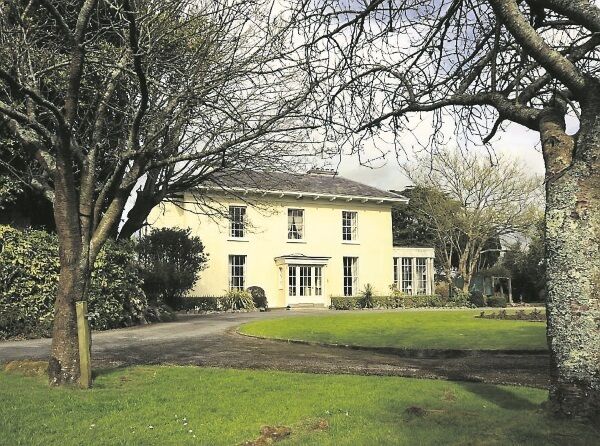
As the largest county in terms of size and second largest by population, Cork is easily the second busiest property market after Dublin, accounting for over 11% of national sales in 2015.
Activity in the market was strong last year with the number of transactions up 22% (which included the sale of 700 new housing units) with above-average growth in both city and county areas.
It all led to the value of the Cork property market breaking the €1bn figure for the first time ever in 2015 — more than double its worth in 2012.
Cork also remains the fifth most expensive location for housing in Ireland and the dearest anywhere outside the greater Dublin region.
The median prices of properties sold in the county last year rose for the first time in many years — by €15,000 to €166,000, although still some distance from the 2010 level of €220,500.
Cork city with average rents of €890 per month last year — up 5% annually — is the fourth most expensive location for renting after Dublin, Galway City, and Wicklow.
Large rent hikes were also evident in several locations including Ringaskiddy, Montenotte, Millstreet, Crosshaven, Rathcormac, and Cloyne.
Kanturk, Castlemartyr, and Ballincollig also saw rent increases of almost 10%.
DONEGAL
The third cheapest location to rent, but slightly more expensive when it comes to buying, Property sales in the north-west were buoyant last year with the overall value of the market up by 44% on the back of a 27% increase in the number of transactions.
Average house prices rose by over €8,000 to almost €90,500 to reach a three-year high.
While rents across the county rose slightly on average to €453, they fell in a few locations including Bundoran and Donegal Town. The cost of renting in Letterkenny rose by over 6% during 2015.
DUBLIN

The property sector’s largest market by some distance, with Dublin accounting for more than three out of 10 of all properties sold in the Republic last year.
An 11% increase in the number of sales last year — five points below the national average — shows a slowing down in activity compared to the rest of the country which hints at the acute housing crisis which the city is now facing.
Nevertheless, the high cost of real estate in the capital ensured that the value of property sales in Dublin last year accounted for more than half the national market with transactions worth over €5.3bn. The market was worth only €1.8bn at the lowest point in recent years in 2011.
Unsurprisingly, house prices in the capital remain the most expensive in the country averaging €280,000 — up €15,000 in the space of 12 months and at its highest level since the property price register began in 2010.
Rents across the entire county averaged €1,207 per month but reaching almost €2,000 in some prime city centre locations. Rent increases in excess of 10% were recorded in a number of locations including Leopardstown, Donnybrook, Balgriffin, Harold’s Cross, Santry, and Portobello. The shortage of accommodation in the city suggests prices will only go in one direction in 2016.
GALWAY
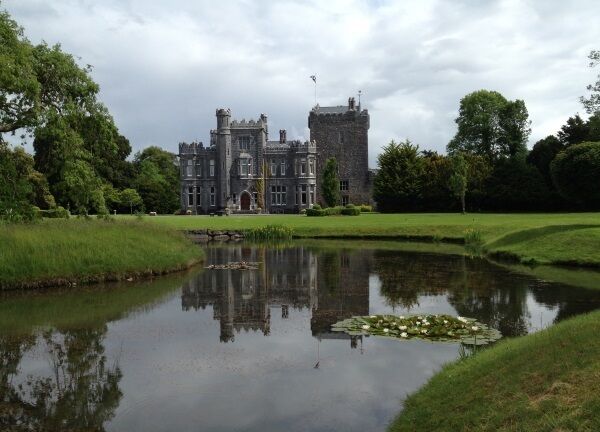
The country’s third busiest property market outperformed its larger rivals in terms of the rate of increase in sales and value of properties sold last year.
However, Galway was also one of only two counties in Ireland last year that witnessed a fall in the median price of houses — down just €394 to €140,000 — a trend that might be explained by a different mix between city and rural properties between 2014 and 2015.
Galway City is the most expensive location to rent outside Dublin, with monthly rents averaging €916 last year — up €40. Double-digit percentage increases in rent were witnessed in a few locations including Monivea and Loughrea, although rents fell in Headford by over 5%.
KERRY
The number of house sales in Kerry has effectively doubled in the past three years, with 2015 seeing further strong growth.
A rise in average prices also saw the value of the sector jump by over 31% The price of homes in the Kingdom last year rose by just over 3% on average — up €3,600 to €115,000 — one of the lowest rate of increases in Ireland in 2015 but the first rise in average prices since 2010.
The rental market also witnessed an upward pressure on prices with rents in Kenmare up 8% in the space of 12 months to €526.
KILDARE
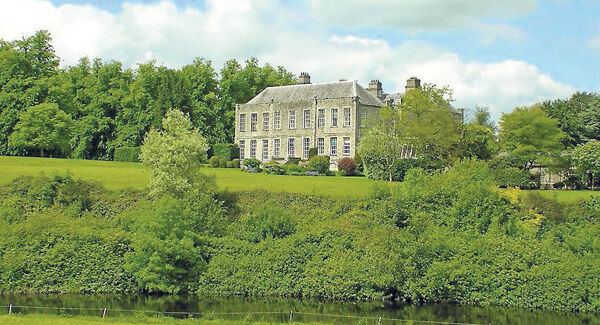
After the big three of Dublin, Cork, and Galway, Kildare commands the fourth biggest share of property sales in Ireland.
However, its desirability as a location for Dublin commuters due to greater availability and relatively cheaper housing ensures it’s the third largest in terms of value — a fact cemented by almost 40% growth last year which saw its worth break through the €500m figure.
It is also the third most expensive location in terms of the average cost of housing after Dublin and Wicklow, with the median cost of properties sold in Kildare last year up over €21,000 to €230,000 and approaching again its 2010 peak.
Kildare was also the location for the most expensive single property sold in Ireland last year — Castlemartin House in Kilcullen, the former home of businessman, Tony O’Reilly which fetched €26.5m after it was placed on the market in the same year in which he was declared bankrupt.
The county also recorded the second highest rate of increase in rents last year — up over 8% with even higher percentage rises in several towns including Leixlip, Maynooth, Sallins, Naas, Newbridge, and Monasterevin.
KILKENNY
An increase of more than €20,000 in the median price of houses sold in Kilkenny last year has brought values back to 2011 levels. The scale of the rise in the average cost of housing also resulted in a 38% increase in the value of the market with activity levels more than double the 2011 figure
Rent increases were also above the national average at 5.5% — up €34 per month. Even higher rates of increase were experienced in Thomastown and Callan.
LAOIS
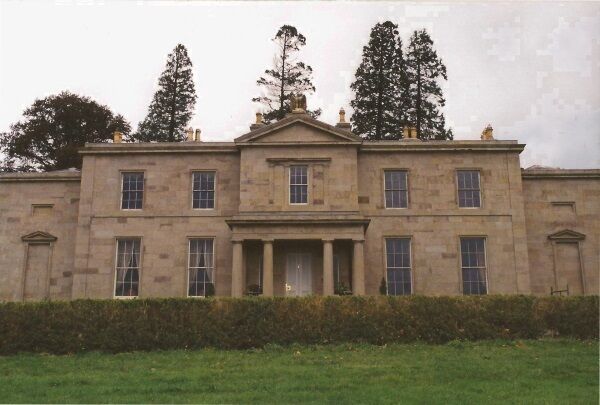
Growth in the property market in Laois was below-average in 2015, with the number of sales increasing by a very modest 4%.
However, that contrasted sharply with a dramatic increase in the value of such sales which rose by 29% to almost €81m.
In tandem, the median price also rose strongly — the second highest growth rate in Ireland last year — up over 26% or €23,000 to €110,000.
With affordability an issue for house buyers in the capital, Laois may benefit from a fresh interest for people looking for cheaper housing within a commutable distance from Dublin.
Rents also rose by almost 8% last year on average with the increases most pronounced in Portlaoise and Portarlington.
LEITRIM
Although the level of growth in sales more than doubled the national average, Leitrim still has the second smallest property market in the country.
In fact, the 36.6% rise in sales activity was the highest in the country in 2015, albeit from a low base.
Leitrim’s property market was worth the least of any county in 2014 but strong growth saw it leapfrog both Monaghan and Longford last year in terms of value with sales totalling €42.3m.
Such a performance also saw it move from second to third cheapest location with the median price jumping over 16% to just over €70,000.
It remains the cheapest county in which to rent a home with monthly rents averaging just €414.
LIMERICK
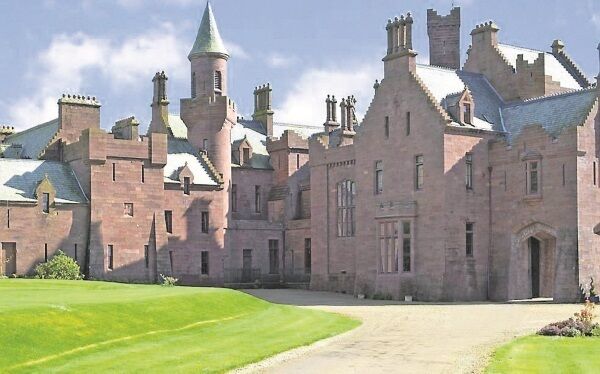
For the first time since 2010, the average cost of buying residential property in Limerick rose last year.
The county recorded the biggest increase in the median price of houses in Munster last year — up 19%, or €19,000, to €119,000.
Such a rate of increase also saw the value of Limerick’s property market soar by 46% on the back of a 30% increase in the number of properties sold.
In the rental sector, several locations including saw costs rise by over 5% including Raheen, Castleconnell and Dooradoyle, and by almost 9% in Kilmallock.
Castletroy was the only area where rents actually declined.
LONGFORD
Longford retained its title in 2015 as the cheapest location in Ireland for residential property.
Although the median price paid for houses in the county rose by over 9% to €60,000, it remains the least expensive place to buy a home anywhere in the Republic.
In contrast, the average cost of housing in Longford in 2010 was €134,000 which even then was still the cheapest anywhere.
In terms of number of sales, Longford is the third smallest market, despite good growth levels during 2015.
With the cheapest average house prices in the Republic, it’s no surprise that Longford has the least valuable property market in the country with sales of just under €35m last year.
When it comes to rents, Longford lost its reputation as the cheapest county as average rents rose marginally higher than prices in neighbouring Leitrim.
LOUTH
Steady if not quite spectacular was the story of the property market in Louth last year with the sector showing strong growth on 2014 figures but eclipsed by results in many other counties.
House prices in the county are now at their highest level in four years following an average rise of almost €15,000 to just under €135,000 last year.
Rents also rose strongly — up almost 7% — in a pattern evident in several counties that form parts of the greater Dublin region with one of the largest rates of increase in Drogheda.
MAYO
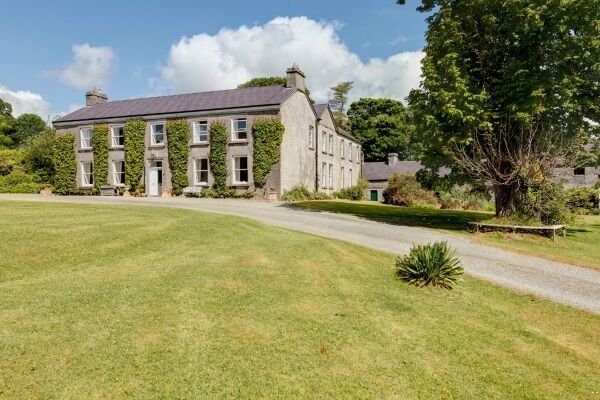
The number of properties sold in Mayo has trebled since 2011 on the back of a sharp uptake in property transactions in the county last year.
Sales were up almost a third leading an ever higher rate of turnover — up 42% to exceed €141m.
No surprise, then, that the average cost prices also rose for the first time since the start of the recession — up €7,000 to €92,000.
Growth in rental costs was more sluggish at just under 2% with rents even dropping back by 6% in Belmullet.
Rent rates grew fastest in smaller towns such as Foxford and Charlestown last year, although the latter remains the cheapest location to rent in Mayo.
MEATH
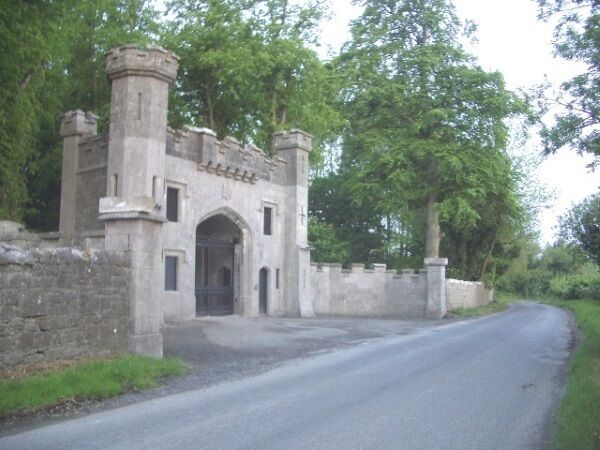
A traditionally strong market as it forms part of Dublin’s commuter belt, a 5% increase in sales in Meath last year was relatively modest compare to growth in the county since 2012.
As a consequence, Meath has slipped to the seventh busiest housing market in the Republic after being overtaken by both Limerick and Wexford during 2015.
Nevertheless, it remains the fourth dearest county in Ireland for average property prices.
The median price of properties sold in Meath last year recorded one of the largest year-on-year growth figures — up over 16% or €27,000 to €192,000.
Meath did assume top spot for recording the biggest hike in the cost of rent in 2015, with average rates up almost 9% or €62 per month to €765.
The most spectacular rent increase was in Duleek, where rate rose almost 14%, but increases in excess of 10% were also recorded in several locations including Ashbourne, Dunshaughlin and Bettystown.
MONAGHAN
Although neither the smallest nor least populous county, Monaghan still has the country’s smallest property market — a dubious honour it has held since 2011.
With sales of less than 200 properties per annum on average at the start of the decade, the 2015 figure of 334 transactions is the highest level of activity in many years.
But there are signs of fresh life in the market as Monaghan also saw the third highest rate of increase in average house prices last year — up almost 21% or €17,500 to €102,500.
Rents were far more subdued, edging up just under 2% to almost €500 per month on average in the county, although much higher increases were noted in Carrickmacross and Ballybay.
OFFALY
Offaly was one of only two counties in the Republic to see the average price of property decrease during 2015.
The median price of homes sold in the county last year dropped by 5% in a major bucking of the national trend. Prices fell on average by €5,000 to €95,000 which resulted in Offaly moving from the 14th most expensive location to 20th in the space of a year.
The number and value of sales also rose at a rate below the national average.
Like every other country, rental costs rose in Offaly last year — up 3.5%, with increases in the cost of renting in Tullamore and Banagher leading the way.
Fewer new homes were built in Offaly than any other county in 2015 — just 49.
ROSCOMMON
Roscommon was the second strongest performer last year in terms of year-on-year growth in sales after its neighbour, Leitrim.
Property sales in 2015 are over three times the level they were at as recently as 2011 A modest 4% increase in the average cost of homes sold last year saw Roscommon become the second cheapest location for housing in Ireland with the median price of homes at €65,000 — an increase of just €2,500.
The average cost of the 73 new homes sold in the county last year was just over €28,000 — a legacy of past decisions to build homes in locations with little demand.
In the rental sector, monthly rates grew by over 6% in Strokestown and Castlerea but actually decreased in Ballaghaderreen.
SLIGO
Sligo was the only one of the 26 counties to record a drop-off in sales in 2015 with the number of transactions down by over 3%.
The reason may be explained by the fact that there was a dramatic increase in activity in 2014 with the market now settling down to a new level.
Otherwise, there was minimal changes in prices in terms of the value of the market and the median price of homes.
Similarly, there was little or no movement in prices in the rental sector with average rates up just under 3% to €601.
TIPPERARY
Tipperary recorded one of the biggest growth rates anywhere in Ireland last year with property sales up almost 34%, breaking 1,000 for the first time this decade.
Such activity also drove a spectacular 45% increase in the value of such sales, while the median price of properties sold last year also hit €100,000 for the first occasion since 2012 with an average annual increase of €6,000.
Price increases in the rental sector were less pronounced, averaging just under 2% or €10 per month, with prices even falling in towns such as Fethard and Cahir.
Ballina, Nenagh, and Clonmel witnessed the biggest hike in rental costs.
WATERFORD

Waterford is one of a handful of counties where sales numbers have increased every year since the Residential Property Price Register was established in 2010.
Most years, the sector has recorded growth levels above the national average and 2015 was no different.
The value of the market has been more undulating over the years with falling house prices but Waterford’s property market almost doubled its 2013 total sales figures last year with turnover of €164m.
For the second year in a row, the median price of property sold in Waterford rose — last year by almost 12% or €11.500 to €110,000.
Rents increased by double-digit rates in Lismore and the Poleberry suburb of Waterford city but overall increases were more modest averaging just over 2% across the city and county.
WESTMEATH
Like other counties in mid-Leinster, Westmeath enjoyed a vibrant property market last year, although the overall increase in activity level in 2015 was below half the national average at just 7%.
However, in terms of value, the sector soared ahead with sales up over 30% to in excess of €124m.
Probably boosted by the fact that it’s a base for some commuters to Dublin, the median price of homes in Westmeath rose by €9,000 last year to reach six-figure values again at €104,000 to bring them back to roughly 2012 levels.
Rents were up in most towns in Westmeath by at least 5% in 2015 with jumps of over 10% in Kinnegad.
WEXFORD
A county that throws up some difficulty with interpreting figures as it has a relatively high level of holiday homes that add to transaction levels in Wexford.
It is the 5th busiest property market after the three most populous counties and Kildare but ahead of places like Meath and Wicklow.
In value terms, it’s the country’s eighth largest market — a position unchanged since 2014, despite a 24% rise in turnover in 2015.
Rents increased at less than half the rate of house prices in Wexford with only Gorey witnessing any substantial rise, up over 7%.
In a reverse of county and national trends, rents fell in Bunclody.
WICKLOW
Still the second most expensive location in Ireland for property courtesy of several large towns and villages including Bray, Greystones, Blessington, and Enniskerry that form part of Dublin’s commuter belt.
With their desirable seaside setting, some properties can command higher figures than similar homes in counties like Meath or Kildare.
The median prices of houses in Wicklow recorded above-average growth to reach €253,000 — an annual increase of €28,000 but still somewhat behind 2010 levels of €270,000.
The third most expensive location to rent in the Republic after Dublin and Galway city – a position cemented by a 6% rise in rents last year to €912 per month.
The biggest increases were in the northern half of the county in towns with good transport connections to the capital.

CONNECT WITH US TODAY



Be the first to know the latest news and updates