Doha oil-freeze talks end in failure
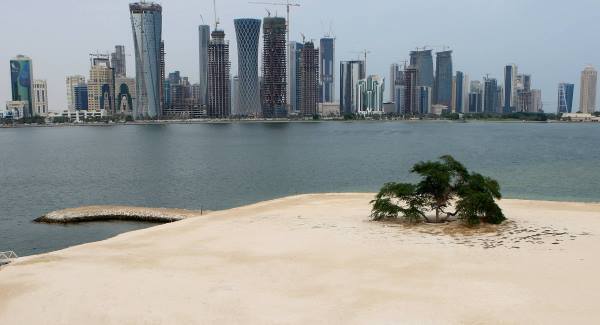
The summit in the Qatari capital, which dragged on for more than 10 hours beyond its initially scheduled conclusion, finished with no final accord, Nigeria’s petroleum minister Emmanuel Kachikwu told reporters.
Discussions stumbled over whether the agreement should extend to other producers such as Iran, which wasn’t present, according to a person familiar with the matter. The inability to reach consensus will lead to a “severe” drop in prices, Citigroup had predicted before the meeting.
Brent crude, which sank to a 12-year low in January, has climbed almost 30% in the past two months as Saudi Arabia and Russia worked on the plan to cap crude production.
While analysts doubted that any accord would have a significant impact on the global oil surplus, the inability to agree on a limit undermines any prospect of co-ordinated action to solve the oil crisis.
“The Doha meeting was an opportunity for Opec to polish its tarnished image,” Miswin Mahesh, an analyst at Barclays in London, said on Friday.
“After the failure of Opec’s December meeting, the market was uneasy about its cohesion and Doha was a chance for the group to reassert its relevance and build a circle of trust.”
Iran is restoring exports after sanctions over its nuclear programme were lifted in January. It plans to boost output to 4m barrels a day in the Iranian year through March 2017, oil minister Bijan Namdar Zanganeh said on April 6.
That would be an increase of about 800,000 barrels a day from March production. The nation’s crude shipments have risen by more than 600,000 barrels a day this month, according to shipping data compiled by Bloomberg.
While analysts agreed any accord to emerge from Doha would have little impact on actual crude supplies because most attendees were already pumping at capacity, an oil workers’ strike in Kuwait was already having an effect.
The nation’s crude production tumbled 60% to 1.1m barrels a day and refineries scaled back operations because of the open-ended action over pay, said Saad Al-Azmi, deputy chief executive for finance and spokesman at Kuwait Oil Co. The disruption is equal in size to the global surplus and could boost prices today, Dubai-based bank Emirates NBD PJSC predicted.
“If all major producers don’t freeze production, we will not freeze production,” Saudi Arabia’s Deputy Crown Prince Mohammed bin Salman had said in an interview April 14.
“If we don’t freeze, then we will sell at any opportunity we get.”

CONNECT WITH US TODAY



Be the first to know the latest news and updates











